What is a Wrapping Machine and How Does It Work?
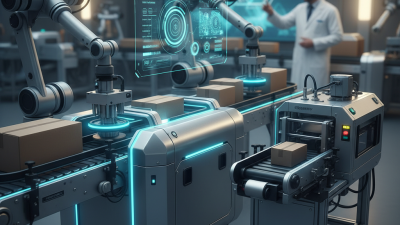
A wrapping machine is a crucial tool in the packaging industry. It automates the process of enclosing products in protective materials. This machine can handle items of varying shapes and sizes. Many businesses rely on wrapping machines to improve efficiency and maintain product integrity during shipping.
Understanding how a wrapping machine functions reveals its importance. Typically, the machine uses a roll of plastic or paper to wrap around the product. It seals packages securely to prevent damage. An optimized wrapping machine saves time and reduces labor costs. Companies often find that investing in this machinery boosts production speed.
Despite their advantages, wrapping machines can present challenges. Maintenance is essential for consistent performance. Operators need proper training to avoid errors, such as misalignment during wrapping. Each of these aspects contributes to the overall effectiveness of a wrapping machine in a busy production environment.
What is a Wrapping Machine?
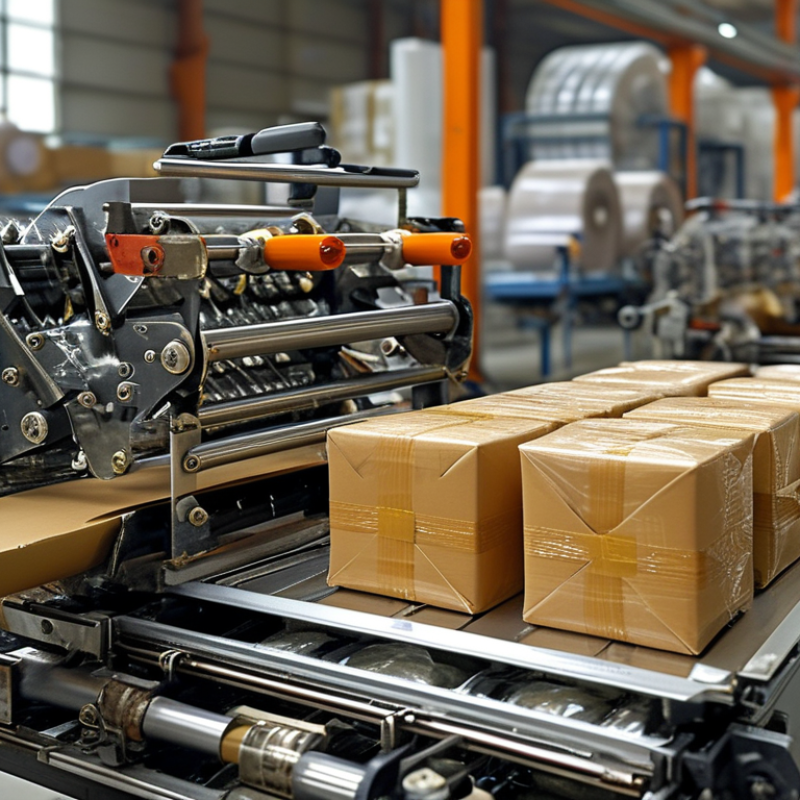
A wrapping machine is a vital tool in many industries. It automates the process of packaging products. This device enhances efficiency and consistency in wrapping items. Whether it’s a small consumer good or a large pallet, wrapping machines cater to various sizes. They often use flexible film, which securely clings to the product. This ensures protection during transit and storage.
Operating a wrapping machine is relatively straightforward. The user places the item on a platform. The machine then uses sensors to adjust the wrapping process based on the object’s dimensions. Some machines even have features to monitor tension and film usage, enhancing efficiency. Despite their advancements, these machines require regular maintenance. Users may encounter issues like film jams or uneven wraps. Such challenges highlight the importance of training and understanding machine operation fully.
The effectiveness of wrapping machines cannot be overstated. They help companies save time and reduce labor costs. However, businesses must be aware of their limitations. Not all products are suitable for machine wrapping. Fragile items may require more delicate handling. Ultimately, recognizing when to use this technology can lead to significant improvements in packaging processes.
Types of Wrapping Machines Used in Industries
Wrapping machines play a vital role in various industries by ensuring products are secure and aesthetically packaged. Different types of wrapping machines are widely used, including standard wrappers, shrink wrappers, and stretch wrappers. According to industry reports, the global packaging machinery market is projected to grow at a CAGR of 5.1% through 2027. This highlights the increasing need for efficient packaging solutions across sectors.
Standard wrappers are commonly used for packaging items such as boxes and pallets. They offer speed and reliability but may not be suitable for all products. Shrink wrappers, on the other hand, use heat to tightly conform plastic around products. This method is ideal for irregularly shaped items. Stretch wrappers provide a strong hold and are effective for stabilizing loads during transport.
Analyzing your specific requirements can enhance efficiency. Consider the nature of your products before selecting a wrapping machine. Size, shape, and material compatibility are crucial factors. Regular maintenance of the machine is essential to prevent breakdowns. Investing in training for staff is equally important for optimal operation. Understanding these nuances can help improve packaging quality and reduce waste.
Key Components of a Wrapping Machine
A wrapping machine is essential in many industries for packaging products efficiently. Understanding its key components can enhance the effectiveness of your packaging process. The main parts include the film dispenser, wrapping arm or conveyor, and sealing mechanism. Each plays a crucial role in ensuring the product is securely wrapped.
The film dispenser holds the wrapping film, which can be plastic or paper. It feeds the material smoothly and consistently, ensuring minimal waste. Meanwhile, the wrapping arm or conveyor moves the product into position. It can be adjustable to accommodate various product sizes. The sealing mechanism is vital; it ensures the wrap is tight and secure, often using heat or adhesive to bond the film.
While these components seem straightforward, their integration requires precision. Misalignment can lead to wasted materials and inefficiency. Regular maintenance is necessary to ensure that each part functions correctly. In many cases, operators must be trained to handle issues that arise during the wrapping process. Monitoring these systems helps maintain quality and efficiency in packaging operations.
How a Wrapping Machine Operates: Step-by-Step Process
Wrapping machines play a crucial role in packaging. They automate the process of enclosing products for storage and shipment. The operation of a wrapping machine can be broken down into several key steps. Initially, the product is placed on the machine’s conveyor belt. This design minimizes manual labor and enhances efficiency. According to industry reports, wrapping machines can improve packaging speed by up to 50%.
Once positioned, the machine begins the wrapping process. It uses a layer of plastic film or paper to tightly encase the item. The film is heated or activated through pressure, ensuring a secure seal. Research indicates that proper sealing reduces product damage, which is critical for maintaining quality during transit. However, inconsistent wrapping can occur, leading to potential waste if the seal fails.
After wrapping, the machine may automatically cut the film and inspect the package. This final step increases reliability but doesn't guarantee perfection in every instance. Regular maintenance is essential to prevent malfunctions that could disrupt production. Even sophisticated machines sometimes experience errors, necessitating a review of operational protocols to ensure efficiency and reliability.
These processes demonstrate the importance of wrapping machines in modern logistics while highlighting areas for improvement and careful oversight.
Benefits of Using Wrapping Machines in Packaging
Wrapping machines play a significant role in the packaging industry. They streamline operations and enhance efficiency. By automating the wrapping process, these machines save time and reduce labor costs. This is particularly beneficial for high-volume production lines. Additionally, they ensure consistent quality in packaging, minimizing the chances of human error.
One of the main benefits of using wrapping machines is improved product protection. These machines apply tight and secure wraps, safeguarding items from damage during transport. With enhanced protection, products are less likely to break or become contaminated. This reduces returns and boosts customer satisfaction.
When considering a wrapping machine, evaluate your production needs. Not every machine fits every product type. It's essential to test how well a machine wraps your specific items. Sometimes, adjustments are necessary for optimal performance. Remember that not all machines offer the same capabilities. Research and choose wisely to avoid costly mistakes.