How to Choose the Best Overwrapping Machines for Your Business?
Choosing the right overwrapping machines is essential for any business in the packaging industry. As the global packaging market is projected to exceed $500 billion by 2024, efficient and reliable machinery becomes vital. According to a report by Smithers Pira, demand for automated packaging solutions is growing rapidly, driven by the need for improved production efficiency and product protection.
Overwrapping machines play a crucial role in enhancing product presentation while ensuring optimal shelf life. The right machine can streamline operations, but selecting the best option is not straightforward. Various factors must be considered, such as machine speed, compatibility with different product shapes, and material types. A report by Grand View Research indicates that businesses that invest in high-quality overwrapping technology often see a return on investment of up to 25% within the first year.
Despite these benefits, many businesses may overlook critical features or fail to assess their specific needs properly. Choosing the wrong machine can lead to inefficiencies and increased operational costs. It is vital to reflect on past experiences and understand the market's evolving demands when making this decision. Balancing quality, performance, and costs is key to finding the ideal overwrapping machine that meets the unique needs of your business.
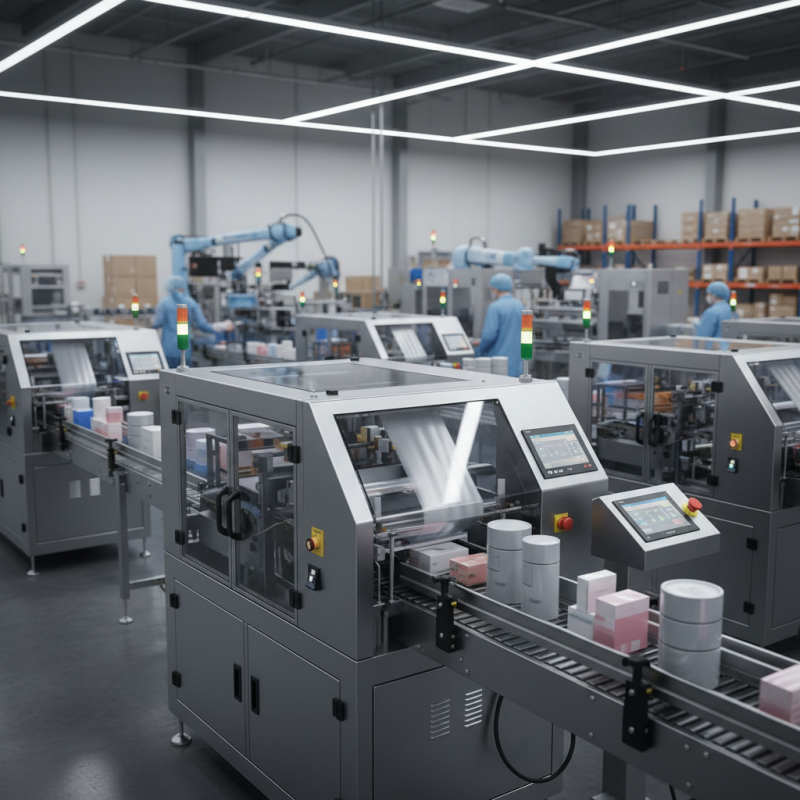
Factors to Consider When Selecting Overwrapping Machines
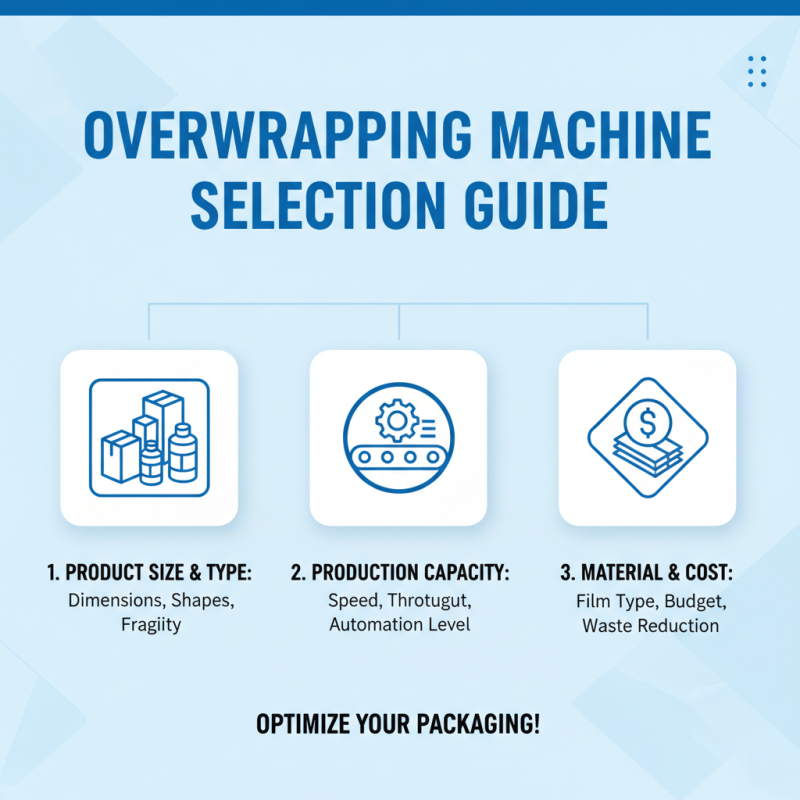
When choosing overwrapping machines, several key factors come into play. First, assess the size and type of products you need to wrap. Different products require distinct solutions. A machine too large may waste materials, while a small one could limit your packaging options. Think about the dimensions of your items before making a decision.
Next, consider the machine's speed and efficiency. Higher speeds mean more products wrapped in less time, which can enhance production. Yet, increased speed may lead to mistakes or faults if not managed well. It’s crucial to find a balance between speed and quality.
Additionally, think about the ease of operation and maintenance. A complex machine may require extensive training, while simpler models can boost productivity right away. Look for machines that are user-friendly, yet robust enough for heavy use. Reliability in performance is also vital, as breakdowns can result in costly downtime.
Types of Overwrapping Machines and Their Specific Applications
Overwrapping machines play a vital role in packaging industries. They protect products while enhancing shelf appeal. Different types of overwrapping machines cater to specific applications. Understanding these applications helps businesses select the right model.
Automatic overwrapping machines are popular for high-volume production. They wrap products quickly, achieving up to 120 packs per minute. For smaller businesses, semi-automatic machines provide flexibility. They require less operator intervention, making them ideal for varied product sizes. Research indicates that businesses using these machines can increase productivity by 30%.
Tips: When choosing a machine, assess your production needs. Consider the product dimensions and wrap materials. Ensure the machine fits your workflow. Additionally, explore machines that offer easy cleaning and maintenance features. This can reduce downtime significantly.
Flow-wrapping machines are effective for irregularly shaped items. They wrap products in film, providing a clear view while offering protection. Some machines are designed for delicate items, such as chocolates or baked goods. The market for overwrapping machines is projected to grow steadily, with a CAGR of 8.2%. This underscores the demand for efficient packaging solutions.
Tips: Evaluate the available technology. Look for machines that integrate seamlessly with existing production lines. Interoperability can lead to smoother operations and enhanced efficiency.
Evaluating the Production Capacity of Overwrapping Machines
When selecting an overwrapping machine, assessing its production capacity is vital. Production volume directly influences efficiency and profitability. A machine with high capacity may seem ideal, but compatibility with your specific needs matters more. You need to consider your average output. For instance, a small to medium-scale operation might require a machine that wraps 30 to 50 packages per minute.
Evaluate the specifications carefully. Review the maximum speed and how it operates with different materials. Some machines perform well with light products, while others handle heavier items effectively. A deeper look into the machine's design can reveal its flexibility. If it can switch between sizes and packaging types easily, that could enhance its practicality in your workflow.
It’s also essential to think about maintenance and downtime. High-capacity machines can break down more frequently due to their complexity. Factor in potential repair costs. Unsustainable production levels can lead to wasted resources and frustration. Businesses often overlook these aspects in pursuit of speed, risking inefficiencies in their operations. The key is balancing production needs with long-term reliability.
Production Capacity of Overwrapping Machines
Understanding the Maintenance and Support for Overwrapping Equipment
Maintaining overwrapping equipment involves a combination of regular servicing and understanding the machine's nuances. Industry reports indicate that up to 25% of production downtime is linked to equipment failure due to poor maintenance practices. Regular inspection can catch issues early, saving time and money in the long run. Operators should be trained to identify signs of wear, such as unusual noises or vibrations.
Tip: Schedule regular maintenance checks to avoid unexpected breakdowns and injuries.
In addition to routine checks, a comprehensive support system is essential. Collaborating with knowledgeable suppliers can provide access to technical support and spare parts when necessary. Research shows that businesses that prioritize reliable support experience a 15% increase in operational efficiency. Documentation on maintenance procedures should be easily accessible.
Tip: Keep a detailed log of all maintenance activities and machine performance metrics.
Taking these measures enhances the durability of overwrapping machines and contributes to productivity. While operators may feel confident in their abilities, repeated use without proper care may lead to overlooked problems. Engaging in maintenance practices is not just a formality; it's vital to ensure long-lasting equipment performance.
Budgeting for Your Overwrapping Machine Investment
When budgeting for an overwrapping machine, it’s essential to consider both initial costs and long-term savings. You may find lower-cost options, but they might lack durability. A quality machine offers reliability, which means fewer breakdowns and lower maintenance costs. Assess how these savings can offset higher upfront investments.
Think about your production volume as well. A machine that fits your current needs may become inadequate as your business grows. It's wise to evaluate your future growth projections. Investing in a machine with flexibility can save you costs later. Also, seek quotes from multiple suppliers. Prices can vary greatly, and discounts may be available for bulk purchases.
Don't forget to factor in the cost of training your staff on the new machine. Without proper training, efficiency may decrease, leading to wasted time and resources. Additional expenses for installation and support services can also affect your budget. Be prepared for these hidden costs, as they can make a significant impact on your overall investment strategy.
How to Choose the Best Overwrapping Machines for Your Business? - Budgeting for Your Overwrapping Machine Investment
| Machine Type |
Production Speed (Packages/Min) |
Dimensions (L x W x H, cm) |
Power Consumption (kW) |
Price Range ($) |
| Semi-Automatic Overwrapping Machine |
20 |
100 x 60 x 120 |
1.5 |
5,000 - 10,000 |
| Fully Automatic Overwrapping Machine |
50 |
150 x 80 x 150 |
3.0 |
15,000 - 25,000 |
| Horizontal Overwrapping Machine |
30 |
120 x 70 x 130 |
2.0 |
10,000 - 18,000 |
| Vertical Overwrapping Machine |
40 |
90 x 50 x 140 |
1.8 |
8,000 - 12,000 |