Why Choose Automatic Filling Machines for Global Buyers?
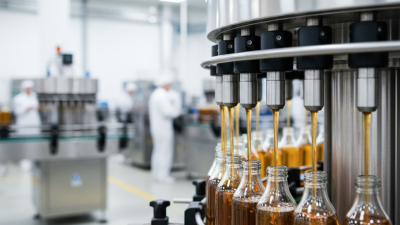
Global buyers choose automatic filling machines to improve consistency, output, and production control. These systems can measure liquids, creams, powders, or granules with high repeatability. A stable filling process also reduces product loss around the nozzle and conveyor.
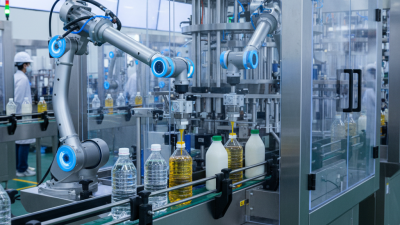
In practical operations, speed is only one consideration. A reliable machine should support accurate dosing, clean changeovers, and simple operator controls. Stainless steel contact parts, guarded moving components, and accessible inspection areas can support safer production. Digital counters and batch records also help teams monitor performance across different facilities. However, automation does not remove every challenge. Product viscosity, container shape, temperature, and packaging materials can affect results. Testing with real products remains essential.
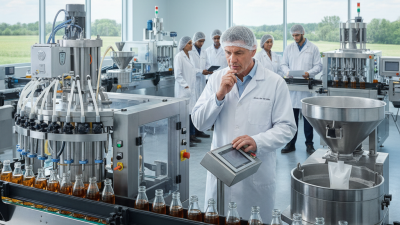
Experienced suppliers should provide technical specifications, installation guidance, and after-sales support. They should explain filling accuracy under defined conditions, not make vague promises. Global buyers also need to review electrical standards, sanitation requirements, language options, spare parts, and local service capacity. A strong supplier can share factory testing records, maintenance schedules, and training plans. These details build trust.
The best choice is rarely the fastest machine. It is the system that fits the product, workforce, budget, and growth plan. Small details matter. A poorly designed changeover can waste hours each week. A difficult control panel can slow new operators. Buyers should compare demonstrations, test samples, and total ownership costs before deciding. Automatic filling machines offer clear advantages, but only careful evaluation turns automation into dependable long-term value.
Automatic Filling Machines: Types, Functions, and Global Applications
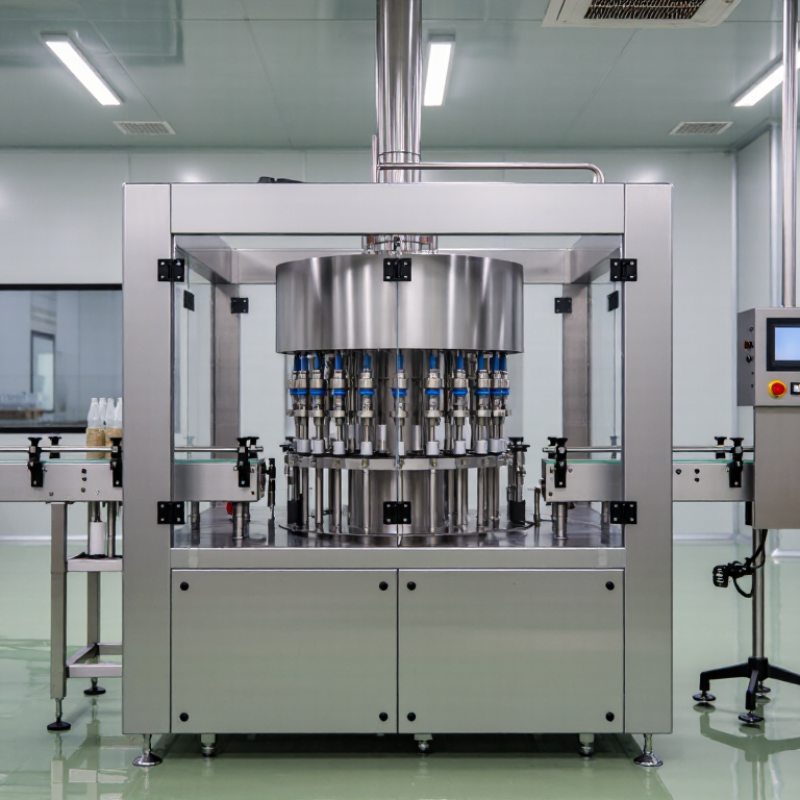
Automatic filling machines improve consistency, speed, and hygiene across many production environments. Choosing one depends on the product, container, and required output. Liquid lines may use gravity, overflow, piston, or pump filling systems. Gravity fillers suit thin liquids, while piston systems manage thicker materials. Pump fillers offer flexible control for changing viscosities. Powder products often require auger or vacuum filling equipment. Different products need different dosing logic.
Core functions include accurate metering, container positioning, filling, and batch counting. Photoelectric sensors detect bottles before each cycle. Servo controls can adjust volume with fine movement. Touchscreen interfaces store recipes and reduce manual adjustments.
Cleaning matters. Stainless steel contact parts support hygienic processing and easier sanitation. Practical production trials often reveal problems that specifications miss, such as foaming, dripping, or unstable powder flow. Small errors become expensive at high speed. That assumption fails.
Global applications include food processing, beverages, cosmetics, household products, and regulated pharmaceutical production. Each sector may require different filling accuracy, sealing methods, and cleaning procedures. Buyers should check voltage compatibility, language options, safety protection, and local documentation. Materials must suit the product and resist corrosion during routine use. Remote support can help, but trained operators still matter. Some buyers focus only on hourly output. That can be costly. A slower machine with stable accuracy may reduce waste and downtime. Seasonal products also need flexible changeover, because one fixed setup rarely fits every market.
Performance Metrics: ±0.5% Dosing Accuracy and Up to 120 Bottles per Minute
Automatic filling machines attract global buyers for measurable reasons: dosing control, repeatable speed, and reduced operator variation. A ±0.5% accuracy target means a 500 ml bottle may vary by only about 2.5 ml, under stable conditions. That difference matters when thousands of containers move through production each hour.
At 120 bottles per minute, theoretical output reaches 7,200 bottles per hour. Real output will be lower. Changeovers, cleaning, cap alignment, and short stops reduce effective throughput. The PMMI 2023 Packaging Machinery: Trends and Challenges report identifies labor availability, uptime, and flexible automation as important purchasing concerns. These findings match factory experience: a fast filler is useful only when operators can maintain it consistently. Small errors become expensive quickly.
The International Federation of Robotics reported 541,302 industrial robots were installed worldwide in 2023, showing continued investment in automated production. Filling equipment fits this wider movement, but specifications need careful testing. Product viscosity, temperature, foaming, container shape, and calibration can affect both accuracy and speed. A polished ±0.5% claim may mislead without test conditions. Buyers should request production samples, accuracy records, and sustained-speed trials, not only a short demonstration. Human checks still matter. Machines are not perfect.
Why Choose Automatic Filling Machines for Global Buyers?
Performance metrics: ±0.5% dosing accuracy and up to 120 bottles per minute
Automatic filling machines combine consistent dosing with high-speed production. A dosing deviation of up to ±0.5% supports reliable fill volumes, while a maximum throughput of 120 bottles per minute helps global buyers improve production efficiency.
Compliance Standards: FDA 21 CFR, EU 1935/2004, and CE Requirements
Why Choose Automatic Filling Machines for Global Buyers?
Automatic filling machines support controlled dosing, repeatable cleaning, and traceable production records. These features matter when products cross regulatory borders. The World Health Organization estimates that contaminated food causes about 600 million illnesses and 420,000 deaths each year. Poorly controlled filling points can increase that risk. Equipment should use hygienic, cleanable surfaces and minimize operator contact.
For products entering the United States, material and process components may need to meet FDA 21 CFR requirements. In Europe, Regulation (EC) No. 1935/2004 requires food-contact materials to avoid harmful migration and unacceptable product changes. CE marking addresses applicable European safety legislation, such as machinery and electrical requirements. It does not replace food-contact compliance. That distinction is often missed. A CE certificate alone cannot prove material suitability. Documentation should include declarations of conformity, material specifications, risk assessments, and validation records. PMMI’s recent automation research also identifies labor availability and production consistency as major reasons manufacturers invest in automated packaging systems.
Tips: Ask suppliers for batch-level material certificates and documented cleaning procedures. Check whether seals, hoses, valves, and lubricants match the intended product. Confirm the machine’s voltage, guarding, and emergency-stop design before shipment. Test the complete filling process, not only the empty machine. This is where plans sometimes fail. A compliant machine is not automatically a compliant process. Review local rules with qualified regulatory professionals, because interpretation and enforcement can differ between markets.
Buyer Evaluation: OEE, Changeover Time, CIP, Energy Use, and Total Cost
Automatic filling machines deserve a harder evaluation than a glossy speed claim. Global buyers should examine OEE, changeover time, CIP, energy use, and total cost together. Deloitte’s 2023 Smart Manufacturing survey found that 86% of manufacturing leaders considered smart production important for competitiveness. Yet software cannot repair poor line discipline.
OEE combines availability, performance, and quality. A 90% nameplate speed means little if operators lose 35 minutes clearing jams. Industry benchmarks often place world-class OEE near 85%, but actual results depend on product viscosity and container design. Ask for logged trials using your 500-milliliter bottle, not a showroom sample. Measure a complete SKU changeover, including nozzle removal, recipe confirmation, and the first accepted product. Two hours can become three when cleaning tools are missing.
CIP deserves equal scrutiny. Record rinse volume, chemical concentration, temperature, and cycle duration. U.S. Department of Energy guidance notes that compressed air can represent about 10% of industrial electricity use, while leaks may waste 20% to 30% of compressor output. The machine is not the only energy consumer. Include pumps, air treatment, heating, wastewater, spare parts, labor, and rejected product in the total-cost model. I would not trust a payback claim without twelve months of utility and downtime data. Some assumptions will be wrong. That is useful. Recheck them before signing.