How to Choose the Best Tray Packaging Machine for Your Needs?
Choosing the right tray packaging machine is crucial for various industries. With the global packaging machinery market expected to reach $45 billion by 2024, the demand for effective packaging solutions is skyrocketing. Businesses seek machines that enhance efficiency and product protection. A well-chosen tray packaging machine can significantly impact production rates and reduce waste.
Many industries, from food to electronics, rely on reliable packaging. Research shows that 77% of consumers judge a product by its packaging. An efficient tray packaging machine meets both aesthetic and functional needs. However, not all machines are created equal. Factors like speed, ease of use, and specific application must be considered carefully.
While investing in a high-quality tray packaging machine seems straightforward, businesses often overlook crucial details. Common pitfalls include ignoring maintenance requirements and underestimating the importance of machine integration with existing systems. Each choice reflects not only in cost but also in market competitiveness. A thoughtful approach can lead to better packaging solutions and ultimately, customer satisfaction.
Understanding Tray Packaging: Importance and Applications
Tray packaging plays a significant role in various industries, ensuring products are transported safely. This method is crucial in food, pharmaceuticals, and electronics. According to a report by Smithers Pira, the global market for tray packaging is expected to reach $25 billion by 2027. This growth highlights the rising demand for safe and efficient packaging solutions, driven by consumer preferences for convenience and sustainability.
The importance of tray packaging extends beyond mere aesthetics. For example, in the food sector, using trays minimizes damage during shipping. A study by the Packaging Association revealed that over 30% of food products experience spoilage due to inadequate packaging. This statistic underscores the need for quality materials and effective designs. In pharmaceuticals, proper tray packaging ensures drug safety and compliance with stringent regulations.
Choosing the right tray packaging machine is essential. The machine must meet specific production and material requirements. Factors like size, speed, and efficiency must be considered. It's worthwhile to analyze case studies and explore various machines before deciding. Learning from previous investments can inform future choices, ensuring they align with unique operational needs and sustainability goals.
Evaluating Packaging Requirements: Size, Material, and Product Type
When selecting a tray packaging machine, understanding your packaging requirements is crucial. Consider the size of your products. Larger items may need machines with adjustable trays. Smaller products might fit well in compact systems. Make accurate measurements of your items. This ensures the selected machine can handle your inventory efficiently.
Material choice also plays a vital role. Different materials require different sealing and handling approaches. For instance, plastic trays may require heat sealing, while biodegradable options often need gentle handling. Evaluate the compatibility of the machine with the materials you plan to use. This may require testing.
Product type is another essential factor. Fragile items require gentle handling and robust trays to avoid damage. If you're packaging food items, hygiene becomes crucial. Machines must adhere to health regulations. Reflect on your specific needs. It’s important to weigh the pros and cons of various options to ensure they're worth the investment. Not every machine will meet every requirement perfectly, and that's okay. Identify what works best for your unique situation.
How to Choose the Best Tray Packaging Machine for Your Needs?
| Feature |
Description |
Example Values |
| Machine Size |
Dimensions of the packaging machine to fit space requirements |
1500mm x 800mm x 1800mm |
| Tray Material |
Types of materials compatible with the machine |
Plastic, paperboard, aluminum |
| Product Type |
Types of products that can be packaged |
Food items, electronics, cosmetics |
| Production Speed |
Packaging speed of the machine |
30 trays per minute |
| Operator Interface |
Type of controls and usability |
Touchscreen with user-friendly navigation |
| Maintenance Requirements |
Frequency and ease of maintenance tasks |
Weekly lubrication and monthly cleaning |
Key Features to Look for in Tray Packaging Machines
When selecting a tray packaging machine, certain key features can significantly impact your decision. Look for machines that offer adjustable speed settings. This allows you to manage packaging speed according to your production needs. Speed flexibility is crucial during high-demand periods. Additionally, machines with user-friendly interfaces ensure that operators can adjust settings with ease, reducing downtime.
Another critical feature involves the machine's material compatibility. Consider the types of trays and films you intend to use. Some machines handle a variety of materials, while others are more specialized. Versatility is often a deciding factor for businesses aiming to streamline their packaging process.
Tip: Assess prior user experiences. Feedback on machine reliability can provide insights. Furthermore, inspect the machine’s maintenance requirements. Machines requiring frequent maintenance may lead to unexpected downtimes.
You should also evaluate the machine's footprint. For companies with space constraints, compact designs will be beneficial. However, don’t overlook the potential need for additional space for future scalability. Finding a balance between current needs and future growth is vital for making a wise investment.
Comparing Different Types of Tray Packaging Technologies
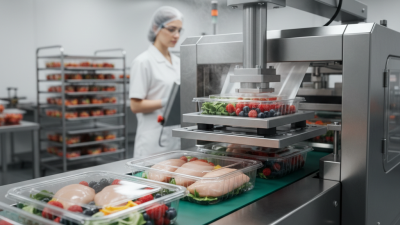
When selecting a tray packaging machine, understanding the various technologies available is crucial. Common types include thermoforming, vacuum skin packaging, and MAP (Modified Atmosphere Packaging). Each method offers distinct benefits and is suited for different products.
Thermoforming machines create trays by heating plastic sheets. They are flexible and can produce custom shapes. According to a recent market report, thermoforming technology has seen a growth rate of around 5.3% annually. This is driven by the demand for lightweight, durable packaging solutions. On the other hand, vacuum skin packaging extends shelf life significantly. This technology removes air around the product, thus minimizing spoilage. Studies indicate that vacuum skin packaging can increase freshness by up to 50%.
Modified Atmosphere Packaging is another important technology. It adjusts the composition of gases within the packaging to enhance preservation. This method is particularly effective for perishable items. Industry analyses show that MAP can lead to a 30% reduction in food waste. However, it might not be suitable for all products, which raises concerns about its versatility. Each technology presents unique advantages but also limitations that require careful consideration before making a decision.
Budget Considerations and ROI for Packaging Machine Investment
Investing in a tray packaging machine can be a significant financial decision. Budgeting is crucial for businesses seeking efficiency. Understand your production volume first. High-capacity machines may seem costly but can increase throughput. A lower upfront cost might mean slower production, leading to lost opportunities.
Consider the total cost of ownership. Maintenance, energy consumption, and labor costs can add up. Sometimes, a cheaper machine could lead to higher expenses over time. Calculate the Return on Investment (ROI) carefully. Determine how quickly you can recoup costs through increased output and reduced labor.
Assess your specific needs as well. Not every machine suits every product. Take time to evaluate materials, sizes, and speed. A perfect machine does not exist, and each choice comes with trade-offs. Reflect on past investments, identify patterns, and adjust your criteria. This approach will enhance your decision-making for future machine purchases.