Choosing the right packaging equipment can determine whether a production line runs smoothly or repeatedly loses time. A reliable machine must match the product, container, speed, material, and working environment. It should also support safe operation, consistent quality, and practical maintenance. A fast filler is not useful if operators struggle to clean it. A precise sealer adds little value when the package design changes every month.
This guide examines the top 10 types of packaging equipment used across food, beverage, pharmaceutical, cosmetic, and industrial operations. It covers filling machines, labeling systems, capping machines, cartoners, case packers, wrapping equipment, form-fill-seal machines, palletizers, conveyors, and inspection systems. Each category solves a different production problem. Some machines handle liquid products, while others manage powders, fragile goods, cartons, or heavy cases. The best selection depends on verified specifications, product testing, and the supplier’s technical support.
Real factories rarely fit a perfect checklist. Space limitations, inconsistent materials, and changing orders can weaken an otherwise strong investment. That matters. Equipment performance should be assessed through trials, measurable output, cleaning time, changeover requirements, and total operating cost. Buyers should review manuals, service records, safety features, and relevant quality expectations before signing an agreement. This article offers a practical starting point, not a universal answer. Careful evaluation remains essential.
What Are the Top 10 Types of Packaging Equipment?
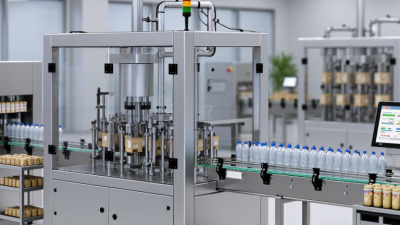
Filling and dosing equipment controls product accuracy, speed, and waste. Common types include auger fillers, volumetric fillers, gravimetric fillers, piston fillers, pump fillers, overflow fillers, time-pressure fillers, net-weight fillers, cup fillers, and multihead weighers. Each system suits different materials. Powders may need auger dosing, while liquids often require piston, pump, or overflow filling. Granules can perform well with cup fillers or multihead weighers.
In real production, accuracy depends on more than the machine. Product density, temperature, viscosity, and particle shape can change during a shift. A gravimetric filler measures weight directly, but it may reduce speed in some applications. Volumetric equipment can run quickly, yet density changes may affect the final weight. I have seen operators adjust settings too often, creating more variation instead of less. Calibration, clean contact parts, and controlled product flow usually matter more than impressive speed claims.
Tips: Test the actual product before choosing equipment. Record fill weights at startup, mid-shift, and shutdown. Check for bridging in powder hoppers and dripping at liquid nozzles. Keep a small tolerance buffer; chasing perfect results can create unstable dosing. Also, review changeover time, cleaning access, and operator training. These practical details are easy to overlook. They often decide whether accurate filling remains consistent every day.
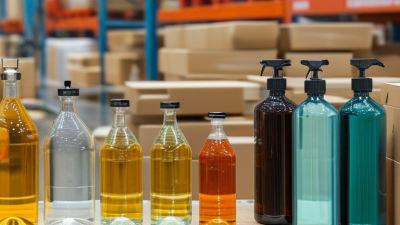
Among the top ten types of packaging equipment, capping and sealing machines protect product quality at the final closure stage. They secure bottles, jars, pouches, trays, and other containers against leaks, dust, and premature opening. In production facilities, technicians typically adjust cap placement, sealing pressure, temperature, and line speed. Small details matter.
A torque-controlled capper applies consistent force without damaging threads or distorting containers. For flexible packages, heat sealers create a firm bond across compatible film layers. Induction sealing can add a tamper-evident inner seal beneath a closure. Each method requires suitable materials and accurate settings. Excessive pressure may deform a container. Insufficient pressure can leave a hidden leak. Inspection systems can check cap presence, seal width, closure height, and visible damage during operation.
Reliable equipment also depends on clean contact surfaces and regular calibration. Operators should test samples at start-up, after material changes, and during long production runs. A package may look perfect yet fail a pressure or drop test. That is an uncomfortable lesson. Line speed is not always the best measure of performance. Better results come from stable settings, documented checks, and prompt correction when defects appear. Even experienced teams can overlook a slightly tilted cap or a seal weakened by product residue.
In the top ten packaging equipment categories, labeling and coding systems protect product identity. They show essential details, such as batch numbers, dates, handling instructions, and traceability codes. A pressure-sensitive labeler applies labels to bottles, cartons, or flexible packs. A coding unit prints variable information directly onto the package. The right setup depends on product shape, line speed, surface material, and print durability.
In production audits, I check whether labels remain readable after dust, moisture, and routine handling. A label may look accurate at the beginning of a shift, then drift several millimeters later. I have seen this happen when guides were adjusted too quickly. Small details matter. Ink can blur on a warm surface, while low contrast can slow visual checks. Operators should test print quality at startup and during changeovers.
Reliable equipment also needs disciplined verification. Vision inspection can detect missing labels, weak codes, and incorrect characters before shipment. However, inspection systems are not perfect. Poor lighting or reflective packaging can create false results. A practical setup combines clear specifications, regular cleaning, sample checks, and documented adjustments. Keep records. These records help technicians identify recurring faults instead of guessing. Product information should remain accurate, legible, and consistent with applicable requirements throughout the packaging process.
Typical nominal throughput of common industrial packaging equipment, measured in packs or units per minute. Actual performance varies by product format, material, packaging size, and line configuration.
Coding and marking systems support traceability by printing batch numbers, expiry dates, barcodes, and other product information. Labeling equipment applies product identification labels, while filling, wrapping, cartoning, and palletizing equipment complete the broader packaging process.
What Are the Top 10 Types of Packaging Equipment?
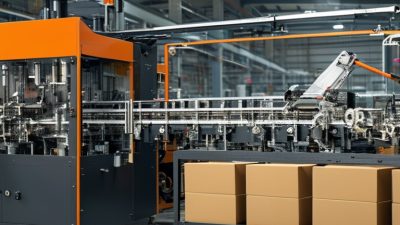
Cartoning and case packing equipment play a central role in secondary packaging. Cartoners place products into cartons, then fold and seal each package. Case packers group finished cartons into shipping cases. This protects goods during storage, handling, and transportation. Common systems include intermittent-motion cartoners, continuous-motion cartoners, vertical case packers, and horizontal case packers. The right choice depends on product shape, carton design, speed, and available floor space.
In production, accurate feeding matters as much as machine speed. Sensors check product presence and carton position. Servo-driven systems can improve placement accuracy and reduce sudden movements. Case packing equipment may load cartons by pick-and-place, robotic grouping, or drop packing. Each method has limits. A fragile carton may need gentle handling, while a dense product often needs stronger case support. No machine removes every packaging problem. Poor carton quality, inconsistent products, and rushed changeovers still cause downtime. A practical factory trial often reveals issues that drawings do not show.
Tips: Test cartons with real products. Measure changeover time. Check access for cleaning and maintenance. Leave space around conveyors and safety guards. It is also wise to record reject rates during several production shifts, not just during a short demonstration. A fast machine can be the wrong investment if operators struggle to adjust it. Small details matter.
| No. | Equipment Type | Primary Function | Typical Applications | Indicative Speed Range | Common Packaging Materials |
|---|---|---|---|---|---|
| 1 | Horizontal Cartoner | Automatically inserts products into pre-cut cartons, folds the carton, and closes it with tuck flaps or adhesive. | Folding cartons for bottles, blister packs, tubes, pouches, and consumer goods. | 30–400 cartons/min | Paperboard cartons, hot-melt adhesive, pressure-sensitive labels. |
| 2 | Vertical Cartoner | Loads products vertically into cartons before closing the top and bottom flaps. | Bags, loose products, powders, granules, and products that are difficult to load horizontally. | 20–120 cartons/min | Folding cartons, corrugated inserts, adhesive, tear strips. |
| 3 | Wrap-Around Case Packer | Groups products and wraps a flat corrugated blank around them to form and seal a shipping case. | Cans, bottles, cartons, trays, and multipacks for transport packaging. | 10–80 cases/min | Corrugated board, kraft paper, hot-melt adhesive. |
| 4 | Top-Load Case Packer | Collects products into a pattern and places them into an open case from above. | Rigid containers, cartons, pouches, jars, and products requiring controlled grouping. | 8–60 cases/min | Regular-slotted cases, trays, corrugated partitions, adhesive tape. |
| 5 | Tray Former and Tray Packer | Forms flat blanks into open trays and loads products into the trays in a defined arrangement. | Beverage containers, canned goods, multipacks, produce, and display-ready packaging. | 10–70 trays/min | Corrugated board, solid board, paperboard, adhesive. |
| 6 | Shrink-Wrapping Machine | Groups products, applies heat-shrink film, and uses heat to create a tight protective bundle. | Bottles, cans, cartons, promotional multipacks, and irregular product groups. | 10–60 packs/min | Polyethylene, polypropylene, or polyolefin shrink film. |
| 7 | Case Erector | Automatically opens flat corrugated blanks, squares the cases, and seals the bottom flaps. | Preparation of shipping cases before manual or automated product loading. | 10–40 cases/min | Corrugated cases, kraft tape, hot-melt adhesive. |
| 8 | Case Sealer | Closes and seals the top flaps of filled corrugated cases for shipment and storage. | End-of-line packaging for cartons, food products, beverages, and industrial goods. | 10–35 cases/min | Corrugated cases, carton-sealing tape, hot-melt adhesive. |
| 9 | Automatic Palletizer | Arranges cases, trays, or bags into stable pallet patterns for warehouse handling and transportation. | High-volume food, beverage, consumer goods, and industrial packaging lines. | 10–100 cases/min | Wooden or plastic pallets, corrugated cases, slip sheets, stretch film. |
| 10 | Stretch Wrapper | Wraps a palletized load with stretch film to stabilize products and protect them from dust and moisture. | Palletized cases, bags, cartons, drums, and mixed-load shipments. | 20–120 loads/hour | Linear low-density polyethylene stretch film, corner boards, top sheets. |
Note: Indicative speed ranges vary according to product dimensions, case format, loading pattern, material specifications, and line configuration.
Final handling begins when the product leaves primary packaging. The right equipment protects appearance, stability, and traceability. The ten common types include stretch wrappers, shrink wrappers, case packers, carton sealers, palletizers, depalletizers, strapping machines, label applicators, coding systems, and inspection equipment.
Wrapping equipment applies consistent film tension around cartons or pallets. Poor tension can crush corners or leave unstable loads. Palletizers arrange cases in repeatable patterns, while depalletizers unload containers with controlled movement. Case packers and carton sealers support faster secondary packaging. Strapping machines add restraint during transport. Small details matter.
Inspection systems check seals, labels, codes, weight, and foreign material. Vision cameras can detect a missing label within milliseconds, but lighting and calibration remain critical. That assumption fails. A fast system with poor setup still creates expensive rejects.
According to the International Federation of Robotics’ World Robotics 2024 report, 541,302 industrial robots were installed globally in 2023. This supports growing interest in robotic palletizing, especially where repetitive lifting creates labor pressure. PMMI’s 2024 State of the Industry report also identifies automation, labor availability, and flexible production as key equipment investment drivers. Smithers’ packaging market outlook places global packaging demand above 1 trillion dollars, increasing pressure on final-line reliability. Yet automation is not magic. Operators still need practical training, accessible maintenance points, and realistic changeover times. A line that looks impressive may perform poorly during seasonal product changes.

© Copyright 2025 | All Rights Reserved