How to Choose Packaging and Machinery for Global Sourcing?
Choosing packaging and machinery for global sourcing is more than comparing supplier prices. It requires a clear view of product protection, production speed, shipping conditions, and local service. A glass bottle, for example, may need stronger dividers, moisture-resistant cartons, and gentler conveyor handling. Small design decisions can prevent costly breakage.
Walter Soroka, a recognized packaging technology author, defined packaging as “a coordinated system of preparing goods for transport, distribution, storage, retailing, and end-use.” This principle remains practical for international purchasing. Packaging should protect the product from vibration, humidity, stacking pressure, and repeated handling. Machinery should match the material, output target, available floor space, and operator skills. It should also support reliable cleaning, maintenance, and spare-parts supply.
Price is only one part of the decision. A low-cost machine may create unstable seals, excessive film waste, or long repair delays. That risk is easy to underestimate. Buyers should request factory acceptance tests, sample runs, maintenance records, energy data, and documented quality controls. They should verify dimensions, electrical standards, language requirements, and installation responsibilities before signing an agreement.
Some choices will remain imperfect. Forecasts change. Suppliers miss deadlines. A technically advanced line may become inefficient when local technicians cannot service it. This is why global sourcing needs evidence, not impressive brochures. The strongest purchasing plan compares total ownership cost, product safety, supplier experience, and measurable performance. Careful questions matter. Packaging and machinery should work as one dependable system.

Define Packaging Requirements and Product Protection Standards
When sourcing globally, packaging should be defined before machinery is selected. I begin with the product’s weak points: moisture, vibration, impact, dust, and temperature changes. A ceramic item may need molded cushioning, while a sealed food container may need stronger moisture barriers.
Packaging begins with risk.
Write measurable requirements. Specify box dimensions, material strength, cushioning thickness, sealing method, stacking height, and acceptable damage rates. Include storage and transport conditions. A package that survives a warehouse may fail after a long sea journey. Small gaps inside a carton can create damaging movement.
Use drop, compression, vibration, and humidity tests that reflect real handling. Test complete shipping units, not only empty cartons. Record the product position, fall height, load weight, and test duration.
A supplier’s certificate helps, but it should not replace independent inspection. Machinery must also match these requirements. Sealing equipment, filling systems, and labeling units need stable performance across different materials and product sizes.
In one project, we chose thinner cartons to reduce cost. They passed a basic drop test but failed after repeated stacking. That decision looked efficient, yet it ignored warehouse pressure. I still question whether the original test was realistic enough.
Packaging requirements should be reviewed with production, logistics, quality, and warehouse teams. Their practical observations often reveal problems that specifications miss. Clear acceptance criteria make global sourcing more reliable.
Evaluate Materials, Formats, and Sustainability Considerations
Global sourcing begins with the product, not the carton. Define moisture, oxygen, light, temperature, and drop resistance before comparing materials. An attractive low-cost film can fail during filling or overseas transit. Test it. OECD’s Global Plastics Outlook reports that 353 million tonnes of plastic waste were generated globally in 2019. Only 9% was recycled. That gap makes material selection a sourcing decision, not a marketing detail. Consider mono-material structures where regional collection systems can process them. However, recyclable in theory is not recyclable everywhere. Check actual local infrastructure.
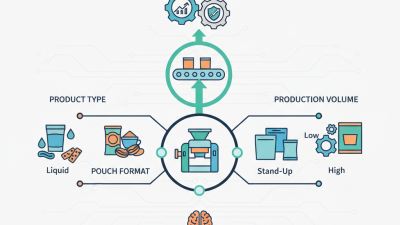
Format changes machinery. Stand-up pouches, rigid trays, cartons, and refill packs require different forming, sealing, feeding, and inspection systems. Request sample runs using the intended materials, inks, closures, and adhesives. Measure seal strength, leakage, waste rate, speed, and changeover time. Small details matter. A machine that runs perfectly with one film may struggle with another film’s stiffness or slip properties. PMMI’s Packaging Machinery Opportunities reports repeatedly identify automation and labor efficiency as major investment drivers. Still, excessive automation can increase maintenance complexity and spare-parts dependence.
UNEP’s 2023 Turning off the Tap report estimates that existing solutions could reduce global plastic pollution by 80% by 2040. That supports lighter formats, reuse models, and better recycling design. Yet lighter packaging is not automatically safer or more durable. Sometimes, a thicker structure prevents product loss. This trade-off deserves measured testing, not optimistic claims. Specify recycled content carefully, verify supply consistency, and document performance across climates. A cheaper package may become expensive after rejected shipments, line stoppages, or damaged goods.
Match Machinery Capabilities with Production and Packaging Needs
Global sourcing becomes safer when machinery capabilities match actual production and packaging needs. Start with product dimensions, material behavior, daily volume, and required pack formats. A carton line may handle your target speed, yet struggle with dusty powders or fragile items. Measure real conditions, not catalogue promises. Good suppliers should provide throughput data, tolerance ranges, changeover times, and utility requirements. Ask for a sample run using your materials.
Packaging machinery must fit the workflow around it. Consider feeding, filling, sealing, labeling, inspection, case packing, and pallet handling. A small mismatch can create repeated stoppages. For example, narrow film tolerance may cause wrinkles during humid shifts. That affects waste, labor, and delivery schedules. Specify cleaning access and maintenance points before signing any purchase agreement. Operators need clear controls, safe access, and practical training. Technical documents should state electrical standards, compressed-air quality, spare-part lists, and acceptance tests.
In one sourcing review, the fastest machine looked attractive, but frequent format changes reduced output. The slower option performed better across three package sizes. That result challenged our original assumption. Leave room for mistakes during testing. A factory trial should record actual speed, reject rates, noise, and operator effort. Remote demonstrations help, but they cannot reveal every installation problem. Request drawings, risk assessments, service response terms, and destination-market compliance documents in writing. Then compare total operating cost, not only the purchase price.
How to Choose Packaging and Machinery for Global Sourcing?
Match machinery capabilities with production and packaging needs by comparing required throughput with a practical equipment target. The figures below are planning benchmarks for common packaging operations and should be validated against product format, materials, labor, and quality requirements.
Key takeaway: Select machinery with enough capacity to meet peak production demand while maintaining compatibility with package format, changeover requirements, available utilities, and local service support.
Compare Suppliers, Costs, Compliance, and Total Ownership
How to Choose Packaging and Machinery for Global Sourcing?
A reliable sourcing decision starts with comparable supplier information. Request production capacity, material specifications, quality records, and recent inspection results. Ask each supplier for the same sample brief. Otherwise, price comparisons become misleading. A lower quotation may use thinner board, slower components, or fewer included services. Ask for evidence. Check sample dimensions, sealing strength, machine speed, noise levels, and changeover time. A test run can reveal problems hidden in a polished presentation.
Compare total landed cost, not only the purchase price. Include tooling, packaging, freight, insurance, import duties, installation, training, spare parts, and local technical support. Calculate expected energy use and maintenance hours over several years. Cheap is rarely cheap. One overlooked sensor or custom mold can disrupt production for weeks. Request a clear cost breakdown and confirm which items remain fixed after approval. Currency changes and shipping delays still need realistic allowances.
Compliance must be checked before signing a purchase order. Review electrical safety, machine guarding, labeling, packaging materials, environmental rules, and documentation required in the destination market. Ask for test reports, declarations, manuals, and traceable component records. Do not accept certificates without verification. Supplier audits should include subcontractors when critical parts are outsourced. I would also score response time and corrective action quality. A supplier with a minor defect but transparent communication may be safer than one promising perfection. My own review process is not flawless; production forecasts can change, and maintenance assumptions may prove optimistic. Recheck them before committing.