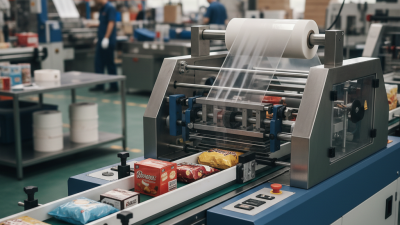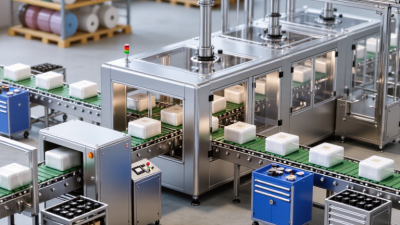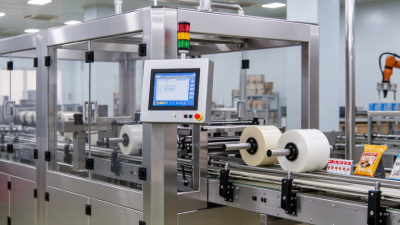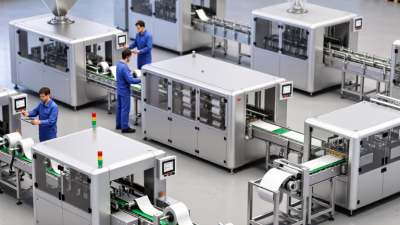
Choosing a horizontal packaging machine is not just a matter of matching a speed rating to a production target. The right fit depends on your product’s shape, packaging material, required seal quality, available floor space, and plans for future growth. A machine that runs smoothly with one pouch film may need adjustment with another. Small details matter. Watch how quickly operators can change formats, clear a jam, and reach components for cleaning or maintenance.
This guide offers seven practical tips for comparing machines, from checking product compatibility to assessing controls, service support, and total operating costs. Packaging decisions often involve trade-offs. Higher output can mean more changeover complexity, while a lower purchase price may bring longer setup times. There is no perfect forecast; test with your actual product and packaging whenever possible. One illustrative perspective, attributed to fictional packaging specialist Elena Ward, captures the point: “Buy for the package you need to run every day, not just the speed you hope to reach.” This is an original editorial line, not a verified quotation from a real expert.
Use the tips to ask suppliers specific questions and request evidence from practical trials. Look closely at the finished seals. Time a format change. Check whether the machine fits your production area and your team’s workflow. A careful comparison can help you choose a horizontal packaging machine that suits current needs without overlooking tomorrow’s demands.
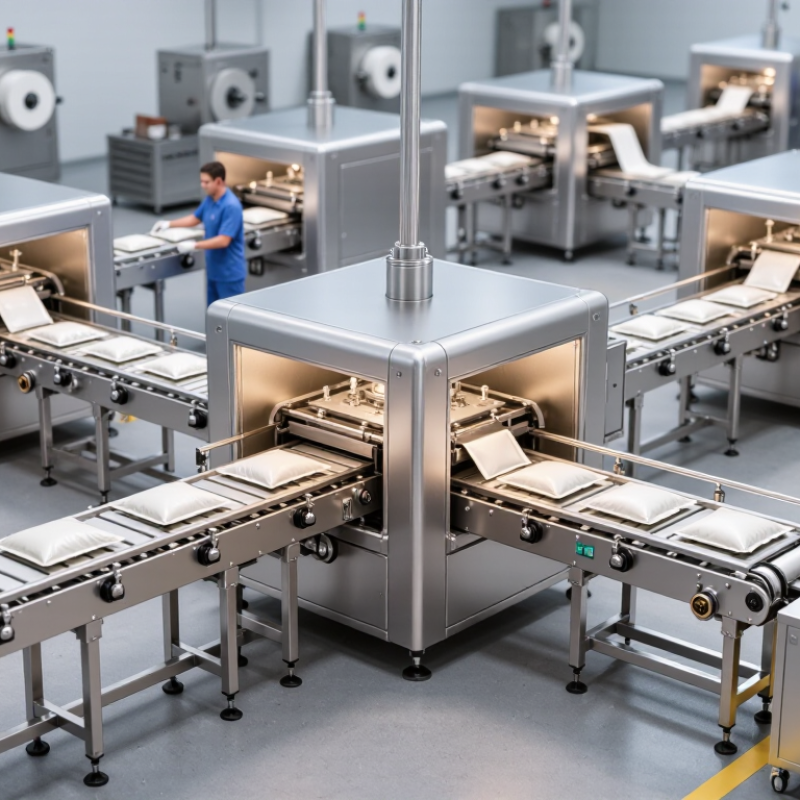
Before comparing horizontal packaging machines, document how the product behaves. Is it dry, sticky, fragile, dusty, or irregular in shape? Record its dimensions, weight, temperature, and how consistently it feeds. Measure it, don’t guess. A snack that crumbles under pressure may need gentler handling than a firm, uniform bar. Check for seasonal changes, too; a product’s flow can shift with humidity or temperature.
Define the package just as carefully. Note the finished pouch or wrapper dimensions, film type, seal requirements, and whether the product needs a particular orientation. A package that looks simple can still cause trouble if its film slips or seals poorly. Bring actual product and packaging samples for machine testing. Lab samples may not behave like a full production run. That matters.
Set production requirements using realistic numbers. Estimate the needed output per minute, daily operating hours, changeover frequency, available floor space, and operator capacity. Include time for cleaning, film changes, and routine checks. A rated speed can be misleading. Ask what sustained output looks like with your product and package, not just an empty machine running quickly. It is easy to overlook these details when a deadline is pressing. Recheck the assumptions with the people who will operate and maintain the equipment.
Choosing a horizontal packaging machine starts with the pack, not the headline speed. Flow wrappers create sealed packs around individual products, while horizontal form-fill-seal machines form bags from rollstock, fill them, and seal them. Prefabricated-pouch systems handle already-made pouches and can simplify format changes, but require a different loading setup. Fit matters. Compare the product’s size, shape, fragility, and target package before comparing machine types.
Configuration changes performance. A box-motion or rotary jaw may suit different film and sealing needs; adjustable forming tubes, film width, and infeed style affect changeovers. Ask to test your actual product and film. Measure usable floor space, operator access, cleaning time, and the minutes needed to switch formats.
PMMI’s 2023 State of the Industry report estimated U.S. packaging machinery shipments at $10.9 billion in 2022. That figure covers the wider machinery sector, not horizontal machines alone, so it signals industry scale—not a buying forecast.
Request a run-off using your slowest, most awkward product, not just an ideal sample. Check seal consistency, rejected packs, and output after changeovers. A quoted speed can look persuasive; sustained output is what matters. I would also compare manual adjustments with stored settings, because automation may not eliminate operator judgment. Ask for service response times and spare-part availability in writing. A few details are easy to miss. A narrow aisle, for example, can make routine film loading frustrating.
Choosing a horizontal packaging machine starts with the product and the shift it must serve. Ask for a trial using your actual product and packaging, not just a maximum speed from a specification sheet. A machine rated at 120 packs per minute may run slower with uneven product spacing, delicate items, or frequent film adjustments. Measure good packs per minute over a realistic run. Include stops, rejects, and replenishment. Small losses add up.
Accuracy affects more than appearance. Check seal consistency, cut position, print registration, and pack length across repeated runs. Test representative products and materials, including the least forgiving combination. Record defects and agree on how they are counted. A clean demonstration may not reflect a dusty product or slippery film. That gap deserves attention.
Changeover needs can quietly determine labor and uptime. Time a switch between two actual product sizes, from the last acceptable pack to the first one. Note which guides, forming parts, and settings need adjustment, and whether one operator can do it safely. Recipe storage helps, but it will not fix unclear setup steps. It depends. For frequent product changes, look for accessible adjustments and repeatable settings. For long runs, stable speed and low waste may matter more. Ask to see changeover evidence, not just a promise.
A horizontal packaging machine works hard around film, dust, product residue, and frequent cleaning. Check the frame and contact surfaces, not just the outer panels. Stainless steel resists corrosion, while smooth welds and rounded corners leave fewer places for residue to collect. Ask for material specifications and cleaning instructions in writing. “Food-grade” alone is not enough detail.
Safety needs to be visible and practical. Guards should prevent access to moving parts, and interlocks should stop motion when a guard opens. Check emergency-stop reach from the operator’s normal position. Also review procedures for clearing jams; a machine can look safe during a demonstration but behave differently under pressure. Small details matter. I would still question any setup that depends on operators remembering a workaround.
Integration can determine whether a capable machine fits your line. Confirm conveyor height, available floor space, electrical supply, and communication with existing controls. Test how the machine handles sensor signals, film changes, and downstream stoppages. A short factory trial with your actual product and packaging film can reveal slipping, poor seals, or awkward handoffs. Leave room for maintenance access, too. It is easy to overlook until a technician needs to reach a drive or sensor.
Assess machine materials, safety, and integration alongside product fit and day-to-day operation.
The chart shows an illustrative 100-point evaluation framework, not industry statistics. Adjust the weights to your product, packaging format, production line, and applicable safety requirements. Confirm materials, guarding, controls, and integration needs against your actual operating conditions.
A horizontal packaging machine’s quoted price is only the beginning. Compare the full cost of ownership, including forming parts, changeover labor, compressed air, electricity, and routine maintenance. Ask how much film is typically lost during setup and product changes. Even a small daily waste can add up over a year. That detail matters.
Support can affect production just as much as machine speed. Ask how quickly technicians respond, what remote troubleshooting includes, and whether common spare parts are stocked nearby. Request a sample maintenance schedule and a clear list of parts that need regular replacement. Then check whether your own team can complete basic adjustments without waiting for a specialist. The answer may be less convenient than the sales presentation suggests.
Supplier reliability needs evidence, not just reassuring language. Ask for references from operations running similar products and packaging formats. If possible, visit a working installation and watch a changeover, not only a polished demonstration. Confirm the warranty terms, training hours, and availability of service after installation. A supplier may offer strong support on paper, but vague response times deserve follow-up. I would also compare written quotations line by line; assumptions about tooling or commissioning are easy to miss. No comparison is perfect, but documenting those gaps makes the final choice more defensible.
| Tip | What to Assess | Evidence to Request | Practical Check | Suggested Review Weight |
|---|---|---|---|---|
| 1. Match the machine to your product and package | Product dimensions, package material, seal requirements, and the range of formats you need to run. | A written specification showing supported product and package ranges, change parts, and limitations. | Ask for a trial using your actual product and packaging material. | 20% |
| 2. Verify output under realistic conditions | Sustained production rate, planned shift length, changeovers, and expected product variation. | A machine acceptance-test plan defining the product, packaging, run duration, and performance measures. | Compare demonstrated output with your required saleable output, not only a headline speed. | 15% |
| 3. Calculate total cost of ownership | Purchase price plus installation, training, utilities, packaging waste, maintenance, spare parts, and expected downtime. | An itemized quotation, utility requirements, recommended spare-parts list, and service or maintenance pricing. | Compare alternatives over the same planned ownership period and production assumptions. | 20% |
| 4. Check support and spare-parts coverage | Technical support hours, response process, remote troubleshooting, technician availability, and parts lead times. | Written service terms, escalation contacts, parts availability information, and training scope. | Confirm who provides support in your location and how urgent production issues are handled. | 15% |
| 5. Assess supplier reliability | Relevant installation experience, project management, delivery capability, and ongoing service capacity. | References for comparable applications, a project schedule, and clear responsibility for installation and commissioning. | Speak with reference customers about start-up, service follow-through, and parts support. | 15% |
| 6. Review changeover, cleaning, and operator access | Adjustment steps, change-part handling, cleanability, guarding, and ease of routine operation. | Operating and cleaning instructions, changeover procedures, and relevant safety documentation. | Have operators observe or perform a changeover and routine cleaning task during a demonstration. | 10% |
| 7. Confirm integration, safety, and acceptance terms | Line interfaces, controls and data needs, applicable safety requirements, commissioning, and warranty scope. | Interface requirements, risk and safety documentation, commissioning plan, warranty terms, and written acceptance criteria. | Document responsibilities and test criteria before ordering, including what happens if agreed acceptance requirements are not met. | 5% |
| Total suggested review weight | 100% | |||
Note: The review weights are a practical starting point, not an industry benchmark. Adjust them to reflect your product, production targets, and operating priorities.

© Copyright 2025 | All Rights Reserved