How to Choose the Right Tray Machine for Your Business?
Choosing the right tray machine is not simply a matter of comparing prices. The decision affects output, labor, hygiene, energy use, and product presentation. In a busy packaging room, a machine must handle trays consistently at 6 a.m., not only during a supplier demonstration.
Industry data shows why this decision deserves careful attention. Smithers’ The Future of Global Packaging to 2028 identifies continued growth in packaged food and pressure for more efficient, sustainable production. PMMI’s 2024 industry research also highlights labor shortages, automation demand, and the need for flexible packaging equipment. Meanwhile, Grand View Research reports steady expansion in the food packaging market, driven by convenience foods, fresh products, and changing retail requirements. These trends increase the need for a reliable tray machine with suitable speed, sealing accuracy, changeover time, and material compatibility.
The best choice depends on your actual production conditions. Consider tray size, film type, sealing temperature, gas-flushing needs, cleaning access, and daily operating hours. A small producer may value quick setup more than maximum speed. A large processor may prioritize uptime, remote diagnostics, and integration with conveyors or weighing systems. That difference matters.
Do not trust capacity figures alone. Ask for sample testing with your own trays, products, and films. Check reject rates, seal strength, noise, and operator workload. A machine that looks perfect on paper may create costly delays in practice. I have seen specifications hide practical limitations, especially during format changes. Your final decision should combine supplier evidence, maintenance experience, safety requirements, and a realistic return-on-investment calculation.
What Is a Tray Machine and How Does It Support Your Business?
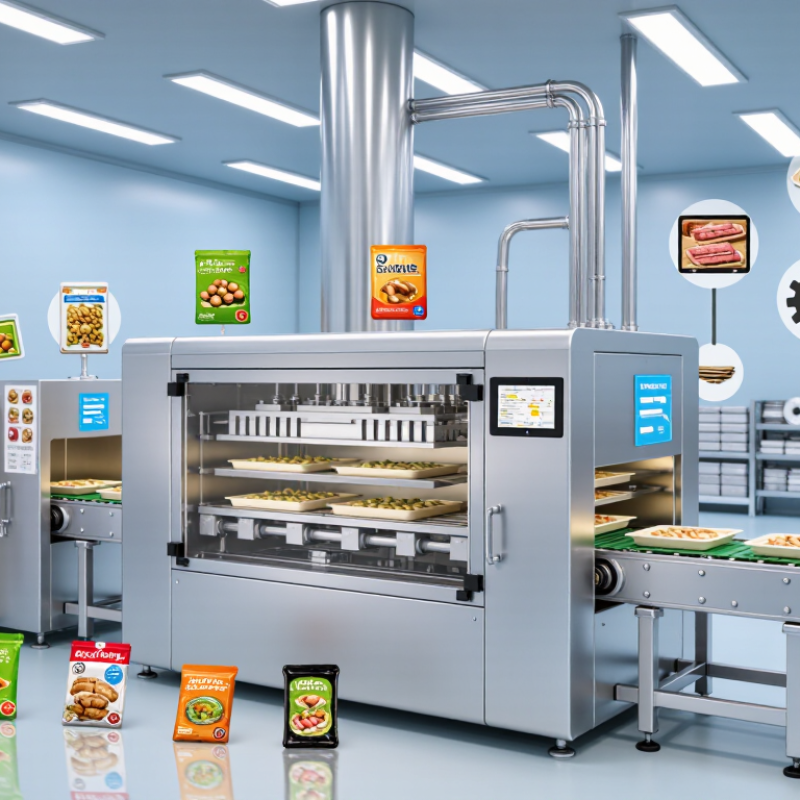
A tray machine is equipment that forms, fills, seals, or stacks product trays. Its exact function depends on the material and product. Some systems shape molded fiber, while others thermoform plastic or handle prepared trays. In daily production, the machine controls dimensions, cycle timing, and product presentation. It can reduce repetitive labor and improve portion consistency. It also creates a more predictable packing rhythm. That matters when orders change quickly.
The business case is practical. The UNEP Food Waste Index Report 2024 estimates that 1.05 billion tonnes of food were wasted in 2022. Better tray fit may help protect products during handling, although it cannot solve waste alone. A suitable machine can reduce crushing, leakage, and uneven sealing.
Operators should check real samples, not only catalog photographs. Small details matter. Test the weakest product first.
Choosing the right tray machine requires more than comparing hourly output. Eurostat reported 186.5 kilograms of packaging waste per person in the European Union during 2022. This pressure makes material efficiency, recyclability, and energy use important purchasing factors.
Review tooling costs, changeover time, cleaning access, compressed-air demand, and spare-part availability. Ask for a factory trial using your actual tray size and product weight. I would not trust brochure speed alone. Production conditions are rarely perfect, and my first estimate may be wrong. A slower machine with stable quality can outperform a faster machine that causes frequent stoppages.
Which Tray Machine Types Match Your Production Requirements?
Choosing a tray machine starts with production facts, not attractive specifications. A manual or semi-automatic tray sealer suits small batches, seasonal products, and frequent format changes. It needs more operator involvement, but setup is usually simpler. For steady volumes, an inline automatic sealer can load, seal, and discharge trays continuously. Rotary systems may fit higher-throughput lines with limited floor space.
Capacity changes the decision quickly. Mordor Intelligence estimates the tray sealing machine market will grow at roughly 5% annually through the late 2020s. That growth reflects demand for consistent seals, extended shelf life, and reduced labor pressure. If your line produces 20 trays per minute, buying a machine rated for 80 may create unnecessary cost. A smaller unit can also leave room for practical expansion. Measure actual peak demand.
Product geometry matters too. A MAP-capable machine may suit fresh meals or meat products requiring controlled gas conditions. A simple heat sealer is often enough for stable products with short distribution routes. Thermoform-fill-seal equipment can reduce manual loading, but it requires compatible film, tooling, and skilled maintenance. According to Grand View Research, food packaging demand is expected to expand at about 5% CAGR this decade. That does not mean every factory needs automation. I have seen planned output fail because tray depth, film tension, or cleaning access was ignored. Leave space around the sealing station. Also test the worst tray, not the perfect one.
How to Choose the Right Tray Machine for Your Business?
Compare typical usable output by machine type to match equipment capacity with your production requirements.
Planning benchmarks shown are typical production ranges for paper or molded-fiber tray forming equipment. Actual output depends on tray size, material thickness, mold layout, automation level, operator efficiency, and changeover frequency. Manual and semi-automatic machines are generally suitable for flexible or lower-volume production, while automatic inline and rotary systems are better suited to continuous, high-volume manufacturing.
How to Evaluate Capacity, Materials, and Product Compatibility
Choosing the right tray machine starts with capacity, not the fastest number on a brochure. PMMI’s 2023 State of the Industry report valued U.S. packaging machinery shipments at approximately 10.2 billion dollars in 2022. That figure reflects strong demand, but rated speed can mislead. Measure actual output during filling, sealing, changeovers, and cleaning. A machine claiming 120 trays per minute may deliver only 85 in daily production. I learned this the hard way.
Materials require equal attention. PlasticsEurope reported that packaging represented 39.6% of European plastics demand in 2022. This does not mean every tray machine handles every polymer. Test recycled content, coated paperboard, and heat-sensitive films separately. Check forming temperature, sealing pressure, tray stiffness, and film behavior. A small temperature change can create wrinkles, weak seals, or product leakage. Run samples from your real supplier, not laboratory-perfect material.
Product compatibility is more than tray size. Examine product height, weight, moisture, oil content, and loading speed. Soft pastries may deform under mechanical loading, while sauces can contaminate sealing surfaces. Request tests with the largest and smallest products in your range. Record rejects, seal strength, downtime, and cleaning time. The wrong machine may still pass a short demonstration. That is the uncomfortable part. Choose the machine that performs consistently after several hours, not the one that looks impressive for ten minutes.
How to Compare Costs, Suppliers, and Long-Term Business Value
How to Choose the Right Tray Machine for Your Business?
The cheapest tray machine is rarely the lowest-cost choice. Compare purchase price, installation, molds, energy use, labor, and maintenance. A machine producing 40 trays per minute may appear attractive. However, frequent changeovers can reduce real output. Ask suppliers for tested production data using your actual tray size and material. Request a written estimate for spare parts, training, delivery, and service response times. These details reveal the machine’s total cost.
Tips: Build a three-year cost sheet. Include electricity, rejected trays, cleaning time, and downtime. Visit a working site if possible. Watch a full shift, not a short demonstration. Ask operators about noise, access, and daily adjustments. Check whether local technicians can repair the main systems. A low quote can become expensive when support comes from another country.
Long-term value depends on reliable production, not impressive specifications. Choose equipment that matches your current volume, with reasonable room for growth. Oversizing can lock up cash and increase unnecessary energy use. Undersizing may create overtime and missed orders. I once underestimated mold-change time during a capacity review. The spreadsheet looked accurate, but the factory reality was different. Leave space for uncertainty. Compare supplier references, warranty limits, software updates, and upgrade options. Put every important promise in the contract.
How to Choose the Right Tray Machine for Your Business? – How to Compare Costs, Suppliers, and Long-Term Business Value
| Machine Type |
Indicative Purchase Price
(USD) |
Typical Output
(Trays/Minute) |
Operators Required |
Installed Power |
Typical Changeover Time |
Five-Year Ownership Cost
(USD) |
Suitable Tray and Film Applications |
Best Business Fit |
| Manual Tray Sealer |
$2,000–$8,000 |
4–8 |
1 operator |
Approximately 1.5–3 kW |
5–15 minutes |
$10,000–$28,000 |
Preformed plastic, aluminum, or paper-based trays; lidding film |
Start-ups, restaurants, small processors, and low-volume production |
| Semi-Automatic Tray Sealer |
$8,000–$25,000 |
8–20 |
1 operator |
Approximately 2–5 kW |
8–20 minutes |
$20,000–$55,000 |
Heat-sealable trays with conventional or modified-atmosphere packaging options |
Growing businesses requiring improved consistency without a full packaging line |
| Automatic Inline Tray Sealer |
$40,000–$120,000 |
30–80 |
1 operator per line |
Approximately 5–12 kW |
15–30 minutes |
$75,000–$180,000 |
High-volume sealing, denesting, filling, date coding, and discharge-line integration |
Established food processors with stable demand and multiple production shifts |
| Modified-Atmosphere Packaging Line |
$80,000–$200,000 |
20–60 |
1–2 operators |
Approximately 8–20 kW |
20–40 minutes |
$130,000–$300,000 |
Gas-flush packaging for fresh meat, seafood, prepared meals, and products needing extended shelf life |
Businesses selling chilled products through retail or distribution channels |
| High-Speed Rotary Tray Sealer |
$150,000–$350,000 |
60–150 |
1–2 operators |
Approximately 12–30 kW |
20–45 minutes |
$240,000–$550,000 |
Large-scale sealing with automatic tray handling, film feeding, gas flushing, and tooling systems |
Large manufacturers with high utilization, predictable volumes, and strict unit-cost targets |
|
Planning basis: Purchase prices and performance ranges are representative industry ranges for new equipment and should be verified through supplier quotations. Actual results depend on tray dimensions, product characteristics, film structure, sealing temperature, gas requirements, line layout, labor rates, maintenance contracts, and operating hours. Five-year ownership cost includes estimated equipment investment, tooling, routine maintenance, utilities, and common wear parts; it excludes labor, building modifications, financing, packaging materials, and product losses.
|
Comparison guidance: Choose based on required output, available labor, product shelf-life objectives, expected equipment utilization, changeover frequency, technical support, spare-parts availability, warranty coverage, and the supplier’s ability to integrate the machine with your existing production line.