
How to Choose a Form Fill and Seal Machine
Choosing a form fill and seal machine can shape your entire packaging operation. It affects product protection, production speed, labor needs, and long-term operating costs. A suitable machine should match your product, film type, bag format, and target output. However, selecting equipment from a brochure alone is risky.
Real-world evaluation matters. Watch the machine run with your actual product and packaging film. Check seal strength, filling accuracy, changeover time, and waste levels. Powder may spread around sealing areas, while liquids can create leaks during fast production. Granules may require precise dosing to prevent underfilled or overweight bags. Small details matter.
They often become expensive problems.
Technical specifications also deserve careful review. Ask about machine materials, control systems, maintenance access, spare parts, operator training, and service response times. Reliable manufacturers should provide testing records, clear documentation, and practical performance data. Independent certifications and appropriate safety features can support responsible purchasing, but certification alone does not guarantee suitability.
Your production environment matters too. Floor space, electricity, compressed air, hygiene requirements, and future capacity should influence the decision. A machine that performs well today may become restrictive after product expansion. I have seen buyers focus heavily on initial price, then overlook downtime and difficult cleaning. That choice can look efficient at first, but the calculation may be incomplete. A careful comparison should consider total ownership cost, verified performance, and the supplier’s ability to support your operation over time.
Define the Product and Packaging Requirements
How to Choose a Form Fill and Seal Machine
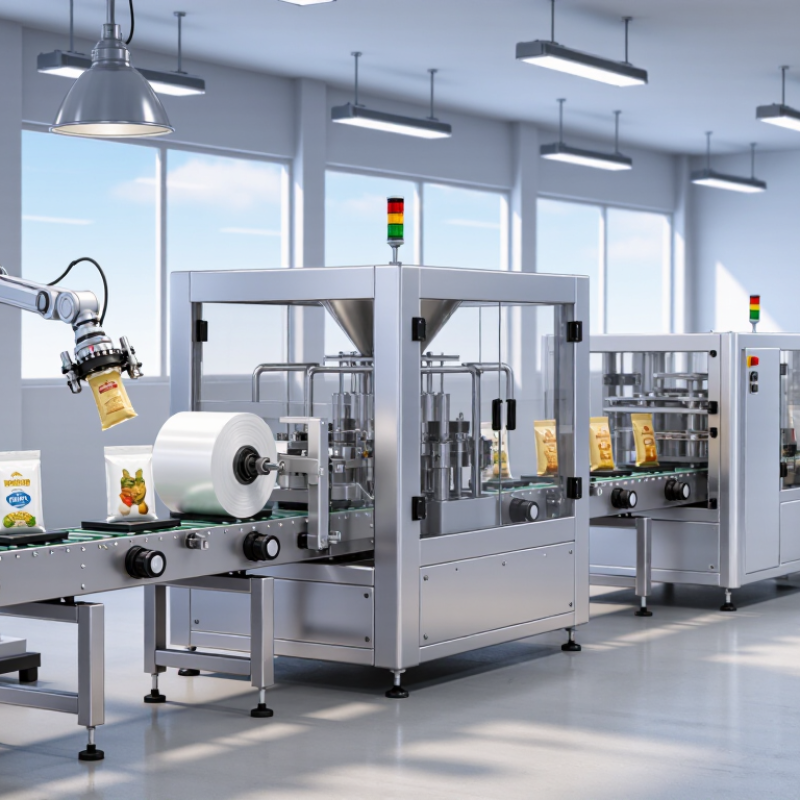
Define the product before comparing machine speeds. Record its viscosity, temperature, particle size, bulk density, and flow behavior. Powder, liquid, and fragile granules require different dosing systems. A product that bridges inside the hopper may need agitation or an auger. Small details matter.
Packaging requirements deserve equal attention. Specify target fill weight, bag dimensions, film structure, seal width, and acceptable leakage rate. Check whether the product reacts to oxygen, moisture, heat, or light. The FAO’s 2019 State of Food and Agriculture report estimated that 14% of food is lost between harvest and retail. Reliable seals and accurate dosing can reduce preventable loss. They cannot repair poor product handling.
Do not choose speed first. PMMI’s recent industry outlooks identify labor shortages, automation, and production flexibility as major machinery concerns. Smithers’ 2024 flexible packaging forecast expects the market to exceed 300 billion dollars before 2028, increasing pressure for adaptable equipment. Ask for a trial using your actual product and film. Measure weight variation, seal strength, dust release, changeover time, and rejected bags. A clean spreadsheet is useful, but it can lie. We sometimes specify maximum output too early. That choice may create unstable seals, difficult cleaning, or excessive waste. Include future products, but avoid paying for features with no clear production purpose.
How to Choose a Form Fill and Seal Machine - Define the Product and Packaging Requirements
| Product / Application | Typical Product Characteristics | Common Pack Format | Suitable Filling Method | Recommended Film Structure | Key Machine Requirements |
|---|---|---|---|---|---|
| Free-flowing granules Rice, sugar, dried beans |
Dry, particulate products with relatively consistent bulk density and good flowability. | Pillow bag, gusseted bag, or block-bottom bag; approximately 250 g–5 kg. | Multi-head weigher or volumetric cup filler. | PE, polypropylene, or laminated heat-sealable film, selected according to moisture and oxygen requirements. | Accurate weighing, dust control, strong longitudinal and end seals, and a forming tube matched to bag width. |
| Powders Flour, spices, powdered drink mixes |
Fine particles that may bridge, generate dust, or absorb moisture; bulk density can vary during production. | Pillow bag, sachet, quad-seal bag, or stick pack; approximately 10 g–2 kg. | Auger filler, usually with agitator and controlled product discharge. | Moisture-barrier laminate, commonly including a heat-sealable polymer layer and, where needed, a metalized barrier layer. | Dust extraction, enclosed filling area, anti-bridging hopper design, precise auger control, and seal-jaw protection from powder contamination. |
| Irregular solid products Snacks, pasta, frozen foods |
Variable piece size, fragile surfaces, and possible product bridging or breakage during handling. | Pillow bag, gusseted bag, or quad-seal bag; approximately 50 g–2 kg. | Multi-head weigher or combination weigher. | Flexible laminate with heat-sealable inner layer; barrier level should reflect oxygen, moisture, light, and aroma sensitivity. | Gentle product transfer, large discharge opening, anti-static controls where necessary, seal-area cleaning, and programmable drop timing. |
| Liquid products Sauces, detergents, edible oils |
Viscosity may range from free-flowing liquids to thick, particulate-containing products; dripping and foaming may occur. | Three-side seal pouch, four-side seal pouch, or spouted pouch; approximately 20 ml–2 L. | Piston, flowmeter, pump, or gravimetric liquid filler. | Chemical-compatible, heat-sealable multilayer film with appropriate puncture and barrier performance. | Anti-drip filling nozzle, product-recovery system, hygienic wetted parts, adjustable sealing temperature, and reliable pouch positioning. |
| Viscous or particulate liquids Pet food, jam, prepared meals |
High viscosity or suspended solids; product temperature may affect flow rate and filling accuracy. | Premade-style pouch or formed pouch with wide opening; approximately 100 g–1 kg. | Servo-driven piston, positive-displacement pump, or mass-flow filling system. | High-strength multilayer film with suitable sealant, puncture resistance, and thermal resistance where hot filling is used. | Heated hopper or product line when required, large-bore nozzles, CIP-compatible design where applicable, and accurate temperature control. |
| Non-food consumer products Hardware, wipes, small components |
Product geometry, sharp edges, static charge, or contamination risk may influence feeding and sealing. | Pillow bag, three-side seal pouch, or sachet; approximately 5 g–3 kg. | Volumetric, counting, linear weighing, or robotic pick-and-place system. | Film selected for puncture resistance, product protection, seal strength, and required transparency or barrier performance. | Flexible forming system, controlled product release, foreign-object detection where needed, and adjustable seal pressure. |
| Hygiene-sensitive products Medical disposables, sterile accessories |
Cleanliness, traceability, controlled handling, and validated package integrity are critical. | Flat pouch, header bag, or sachet; dimensions determined by product geometry and required sterile barrier. | Manual loading, robotic loading, or dedicated counting and placement system. | Validated sterile-barrier or medical-grade packaging material compatible with the chosen sterilization method. | Stainless-steel contact areas, controlled access, seal monitoring, vision inspection, batch traceability, and documented validation capability. |
Related Posts
-
7 Tips to Choose the Right Form Fill Seal Machine?
-
What Is the Best Form Fill Seal Packaging Machine in 2026?
-
How to Choose the Right Horizontal Packaging Machine for Your Business?
-

Why HFFS Machine is Essential for Modern Packaging Solutions?
-
How to Choose a Horizontal Packaging Machine in 2026?
-
Top 10 Tray Sealer Packaging Machines for Global Buyers?

Products
Links
© Copyright 2025 | All Rights Reserved