What Is the Best Form Fill Seal Packaging Machine in 2026?
Choosing the best form fill seal packaging machine in 2026 requires more than comparing speed, price, or brochure claims. It requires matching the machine with the product, film structure, factory layout, and operator skill.
Industry evidence supports this practical approach. PMMI’s 2024 State of the Industry report highlights automation, labor availability, and operational efficiency as major packaging priorities. These pressures make reliable changeovers and simple controls increasingly valuable. Smithers’ The Future of Global Flexible Packaging to 2029 also identifies continued demand for lightweight, resource-efficient packaging. A fast machine is useful, but excessive film waste can quietly damage production costs.
The answer is conditional.
MarketsandMarkets’ Form-Fill-Seal Machines Market forecasts continued growth through 2029, driven by food, pharmaceutical, personal care, and household applications. However, market forecasts differ because researchers use different product categories and regional assumptions. Buyers should treat those figures as direction, not certainty.
In real production, the best machine may be the one that holds seal temperatures steadily, forms clean bags, and restarts without long adjustments. Imagine a snack line running three shifts daily. A ten-minute sealing fault can create rejected packs, labor costs, and delayed deliveries. Servo control, accessible film paths, hygienic construction, and documented service support therefore deserve careful evaluation.
My view is not absolute. A premium vertical machine may suit granular products, while a horizontal model may better protect fragile pieces. The right decision should come from product trials, total cost of ownership, and verified performance data. Vendor demonstrations can look perfect. Production conditions rarely are.
Define FFS Machine Types: VFFS vs. HFFS for 2026 Applications
For 2026 applications, the best FFS machine depends on product shape, film behavior, output, and floor space.
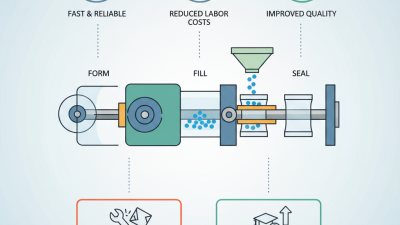
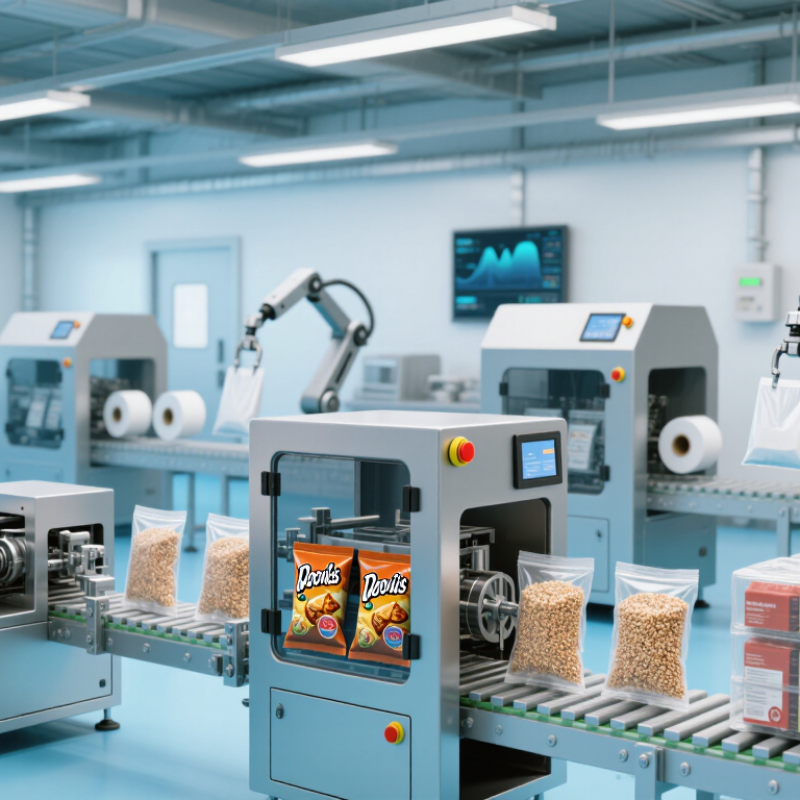
VFFS forms a vertical tube, fills it from above, and seals individual bags below. It suits powders, grains, snacks, and many free-flowing products. A compact frame can fit beside an existing weighing system. The bag drops directly onto a conveyor. Space matters.
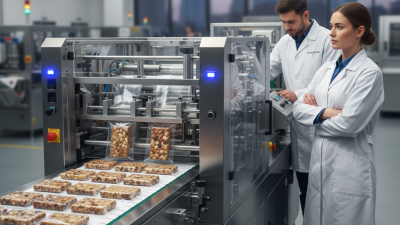
HFFS moves film horizontally through forming, filling, and sealing stations. It handles pouches, sachets, and products needing gentle placement. Bars, fragile pieces, and controlled portions often benefit from horizontal loading. However, HFFS usually requires more floor length and precise product feeding. Seal temperature, jaw pressure, and dwell time must match the film. Small errors create wrinkles or weak corners.
During production trials, I would compare changeover time, seal strength, film waste, and cleaning access. VFFS can be faster for simple, high-volume bags, while HFFS may offer better shape control. That distinction is useful, but not absolute. A product running smoothly in testing may behave differently after humidity changes. This is where selection gets uncomfortable. Operators should record rejected packs, stoppages, and actual output, not only rated speed. Dust, film curl, and awkward operator reach can change the result.
Compare Output: 60–200 Packs/Min and 85%+ OEE Benchmarks
What Is the Best Form Fill Seal Packaging Machine in 2026?
For most operations, the practical target is 60–200 packs per minute, not the highest advertised speed. Actual output depends on film quality, product flow, sealing temperature, and changeover time. PMMI industry reports continue to identify labor shortages and automation needs as major packaging priorities. Therefore, a machine should deliver stable production with limited operator intervention. A line producing 120 packs per minute may outperform a faster line that stops every few minutes.
OEE provides a clearer comparison. The OEE Foundation commonly recognizes 85% as a world-class benchmark. Reaching that level requires strong availability, performance, and quality results. For example, a 150-pack-per-minute machine running at 85% OEE produces about 127 effective packs per minute. This calculation exposes the gap between brochure speed and usable output. It also makes maintenance records more valuable than showroom demonstrations.
Yet, 85% should not become a careless promise. New lines often lose performance during film changes, seal-jaw cleaning, and product-size adjustments. A 2024 packaging automation survey from PMMI highlights the growing importance of data visibility and predictive maintenance. Buyers should request verified run data, including reject rates, downtime causes, and changeover duration. Ask for a sustained test, not a five-minute trial. The best form fill seal machine in 2026 is the one that protects output across an entire shift, even when conditions are imperfect.
What Is the Best Form Fill Seal Packaging Machine in 2026?
Output and OEE benchmark comparison: 60–200 packs/min and 85%+ OEE
Typical 2026 benchmark points for horizontal form-fill-seal equipment show that higher-speed systems can reach approximately 200 packs per minute while maintaining OEE above 85% when changeovers, material waste, downtime, and quality losses are effectively controlled. Actual performance depends on pack format, film, product characteristics, and operating conditions.
Assess Seal Quality Against ISO 11607 and ASTM F88 Requirements
The best form-fill-seal packaging machine in 2026 should be judged by seal quality, not output speed alone. For sterile medical packaging, ISO 11607 requires packaging systems to maintain sterility until use. The machine must produce consistent seals across temperature, pressure, and dwell-time ranges. Small variations can create weak channels or incomplete bonding.
ASTM F88 testing measures seal strength through controlled peel testing. During qualification, collect samples from the beginning, middle, and end of each production run. Test seals after conditioning, aging, or sterilization when applicable. Record peel force, failure mode, seal width, and visual defects. A strong seal is not always a good seal. Excessive strength may damage the sterile barrier during opening.
Practical trials should include film changes, filling interruptions, and operator adjustments. Watch the seal area closely. Powder, moisture, or product particles can become trapped in the sealing zone. That detail is easy to overlook. In my view, many evaluations still rely too heavily on attractive sample packs. They should include failed samples too. A machine that exposes weak settings is more useful than one that only produces perfect demonstrations. Validation should follow documented procedures, calibrated instruments, and trained personnel. Results need clear acceptance criteria, not personal judgment. Even then, the process may require refinement after real production data appears.
Evaluate Film Efficiency, Under-15-Minute Changeovers, and Waste
An effective form fill seal (FFS) machine should waste less film, not merely run faster. Film efficiency starts at the unwind. Stable web tension, accurate registration, and controlled sealing reduce trim, misfeeds, and rejected packs. The Flexible Packaging Association’s 2024 industry report placed U.S. flexible-packaging sales near $40 billion in 2023. That scale makes small waste rates financially visible. Ask suppliers for film-yield data from your product, not a showroom sample.
Under-15-minute changeovers deserve a stopwatch. Measure the last acceptable pack before switching and the first stable pack afterward. Tool-less forming sets, recipe controls, color-coded guides, and accessible sealing jaws can remove repeated adjustments. PMMI’s 2024 packaging machinery research highlights labor constraints and the need for simpler, more flexible equipment. Yet fast changeovers can create hidden waste. Rushed alignment may damage seals or increase startup scrap. The target is useful, but not magic.
Do not compare machines by speed alone.
Track grams of film per saleable pack, startup scrap, seal failures, and changeover minutes across three products. The U.S. EPA reports that containers and packaging represented 28.1% of municipal solid waste generation in its 2018 Facts and Figures data. A machine saving 2% film but losing 30 minutes daily may disappoint. Request logged trial results, film gauges, pack dimensions, and reject definitions. Not every advertised result survives humid rooms, recycled structures, or tired operators. That caveat matters.
Select the Best 2026 FFS Machine by TCO, Hygiene, and Automation
What Is the Best Form Fill Seal Packaging Machine in 2026?
The best 2026 FFS machine is not always the fastest model. It is the one with the lowest total cost of ownership over several years. PMMI’s packaging machinery outlook identifies labor availability, automation, and operating efficiency as major investment drivers. Therefore, buyers should measure film waste, energy use, changeover time, maintenance hours, and unplanned downtime. A machine producing more packs may still lose money through frequent stops.
TCO needs real factory evidence. Ask for tested film consumption and changeover records. Do not trust only brochure speed. A three-minute saving matters when products change hourly. Preventive maintenance also deserves a cost line. Spare parts, technician travel, software support, and operator training can quietly reshape the purchase price.
Hygiene is equally important. EHEDG guidance emphasizes cleanable surfaces, limited contamination points, and suitable hygienic design. Choose sloped frames, tool-less access, sealed components, and washdown-ready electrical protection. Automation should support this design, not complicate it. Servo control, recipe management, vision inspection, and remote diagnostics can reduce human error. Still, more sensors mean more possible failures. That is an uncomfortable trade-off. A practical 2026 evaluation should compare sanitation time, reject rates, energy per pack, and verified uptime during a factory trial. PMMI reports continue to show strong automation interest, but each plant has different constraints. The “best” machine may be less advanced, yet easier to clean, repair, and operate consistently.