What is UVLED Flatbed Printing and How Does it Work?
UVLED Flatbed Printing represents a significant advancement in the printing industry. This technology uses UV light to cure ink as it is printed. The result is vibrant, durable images directly on various surfaces. Wood, glass, metal, and plastic are all fair game for this innovative approach.
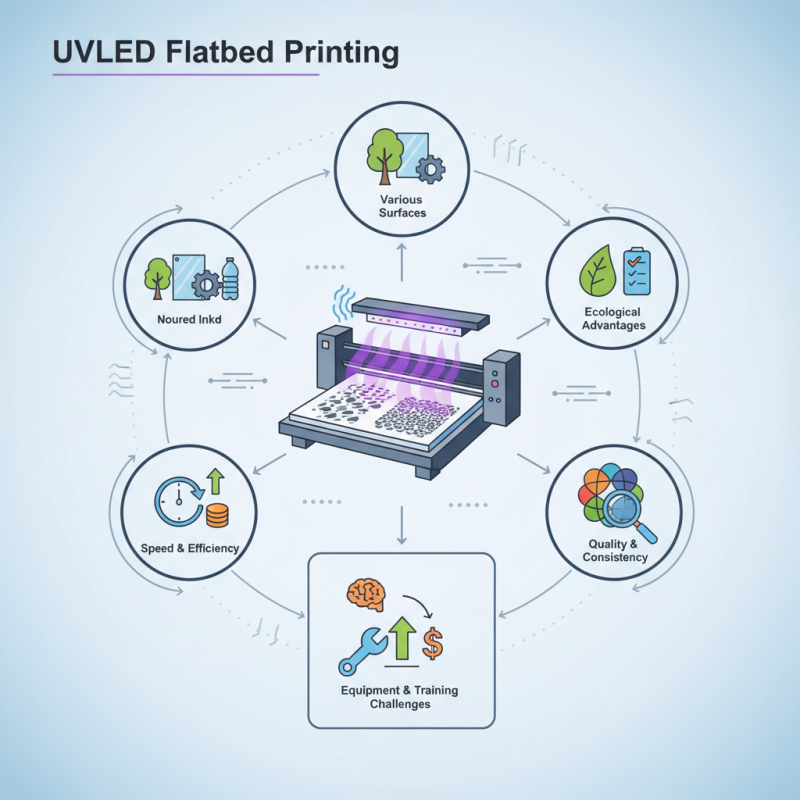
In recent years, UVLED Flatbed Printing has gained popularity due to its ecological advantages. The process emits fewer volatile organic compounds (VOCs) compared to traditional methods. Businesses are often drawn to its speed and efficiency. However, challenges remain. Some equipment can be expensive. Training staff to use it effectively is essential yet sometimes overlooked.
Quality is another area for reflection. While UVLED Flatbed Printing can produce stunning results, not all printers are created equal. Variations in ink and machine quality can lead to inconsistent outcomes. Maintaining high standards is crucial for success. Ultimately, understanding UVLED Flatbed Printing is key for anyone in the printing business.
What is UVLED Flatbed Printing?
UVLED flatbed printing is an advanced printing technology that uses ultraviolet (UV) light to cure ink directly onto various surfaces. This method allows for high-quality prints on materials like wood, glass, metal, and plastic. According to a recent industry report, the UV printing market is expected to grow at a CAGR of around 14% in the next five years. This growth is fueled by the rising demand for innovative printing solutions.
The UVLED process offers several advantages. It provides instant curing, which speeds up production times. Inks used are often pigment-based, providing vibrant colors and durability. Reports indicate that this technology consumes less energy compared to traditional printing methods. However, challenges remain. The initial cost of equipment can be high, and there are ongoing concerns about the long-term effects of UV exposure on printed materials.
Despite these factors, UVLED flatbed printing pushes creative boundaries. It allows for small batch runs and intricate designs that were not possible before. Many printers have recognized the importance of integrating sustainable practices, but the journey toward eco-friendliness can be complex. As the industry evolves, ongoing investment in research and technology will likely address these shortcomings while embracing the potential of UVLED printing.
Key Components of UVLED Flatbed Printers
UVLED flatbed printing is revolutionizing the printing industry. This technology is characterized by its ability to print on various surfaces directly, making it versatile and efficient. The key components of UVLED flatbed printers are essential for their functionality.
One primary component is the UV LED lamps. They cure the ink almost instantly upon exposure. This feature reduces waiting time and increases productivity. According to industry reports, UVLED printing can reduce production time by up to 75%. This speed boost is crucial for meeting market demands.
Another vital part is the print head technology. Print heads determine the resolution and quality of the print. High-quality print heads can produce vibrant colors and intricate details. However, they require careful maintenance. Neglecting this can lead to print quality degradation over time. Regular cleaning and calibration are necessary to maintain optimal performance.
**Tips:** Regularly check ink levels to avoid interruptions during a print job. Ensure the work surface is clean to minimize defects. Also, consider the types of substrates used; some may void warranties or lead to issues.
What is UVLED Flatbed Printing and How Does it Work? - Key Components of UVLED Flatbed Printers
| Component | Description | Function |
| UVLED Lamps | These emit UV light to cure inks instantly upon application. | Initiate the curing process for printed materials. |
| Flatbed Printer Head | The mechanism that applies ink to the substrate in controlled patterns. | Translate digital designs into physical prints. |
| Substrate | The surface material that the design is printed on, such as wood, metal, or acrylic. | Provides the foundation for the printed design. |
| Ink System | Consists of UV-curable inks that are used specifically for flatbed printing. | Provides color and durability to the finished product. |
| Control Software | Software that drives the printer and manages print jobs. | Facilitates seamless operation and design layout management. |
How UVLED Technology Works in Printing
UVLED technology represents a breakthrough in printing efficiency and quality. This technology utilizes ultraviolet light-emitting diodes to cure ink. When the UV light hits the printed surface, it triggers a chemical reaction that solidifies the ink almost instantly. This process not only reduces drying time but also minimizes ink spread, allowing for sharper images and vibrant colors.
The benefits of UVLED printing are significant, but challenges remain. One key issue is the energy consumption of the UV light source. While the technology can be more efficient than traditional methods, careful management is required to avoid excessive power use. Additionally, compatibility with various substrates can pose a hurdle. Not all materials react well to UV curing. Each substrate may need specific settings and ink types. This complexity can lead to trial and error, and not every print will turn out perfectly.
Moreover, while UVLED printing typically offers longer-lasting results, it’s essential to evaluate the environmental impacts. The inks used in this process can contain materials that raise concerns. As the industry evolves, finding sustainable options without sacrificing quality is crucial. It remains a journey toward better practices in UVLED printing.
Benefits of Using UVLED Flatbed Printing
UVLED flatbed printing is transforming how we print on different surfaces. This technology uses ultraviolet light to cure ink as it's printed. It's faster and more efficient than traditional methods. One major benefit is the ability to print on various materials. Whether it's wood, glass, or metal, UVLED printers adapt easily. This flexibility opens up new creative avenues for designers.
Additionally, UVLED flatbed printing is eco-friendly. The inks used are typically free from harmful solvents. This reduces the environmental impact during production. The cured ink is also durable and resistant to scratches and fading. However, achieving high-quality prints requires careful calibration. Sometimes, the printing process can lead to unexpected results. Regular maintenance is essential to avoid these issues. Overall, UVLED printing offers remarkable advantages when approached with care and precision.
Applications of UVLED Flatbed Printing in Various Industries
UVLED flatbed printing is gaining traction in diverse industries due to its versatility and efficiency. This printing method utilizes ultraviolet light to cure or dry inks as they are printed. It enables printing on various substrates, from wood to metal. Many industries are leveraging this technology for customized solutions.
In the signage industry, UVLED flatbed printers produce vivid, high-resolution images. They create durable outdoor signs that can withstand harsh weather conditions. In packaging, the ability to print directly onto corrugated materials has transformed product branding. The food industry is also exploring this technology for safe, ink-free printing on packaging.
Tips: When considering UVLED printing, ensure your substrate is compatible. Test various materials to see what works best. Know that while the quality is exceptional, initial costs may rise. Monitor drying times, as they can vary based on environmental factors. Think about your production volume. Some printers may struggle with high demand. Reflect on these details to make informed decisions.