How to Use a Roll Stock Machine for Efficient Packaging Solutions?
In today's fast-paced marketplace, efficient packaging is essential. A roll stock machine offers a viable solution for businesses aiming to improve their packaging processes. This equipment streamlines production, reduces waste, and enhances product presentation. It utilizes rolls of plastic or flexible materials to create bags or pouches directly on the production line.
Implementing a roll stock machine can seem daunting. However, the benefits are tangible. With precision engineering, these machines deliver consistent packaging quality. They also allow for variable bag sizes, which can adapt to different product types. Yet, there are challenges to consider. Proper setup and maintenance are crucial for optimal performance. Failure to address these needs may lead to bottlenecks or increased downtime.
As companies strive for efficiency, the roll stock machine stands as a valuable asset. Learning to harness its potential requires attention and dedication. Embracing this technology may transform packaging operations and enhance overall productivity. The journey begins with understanding its capabilities and limitations, and exploring ways to adapt it for unique business needs.
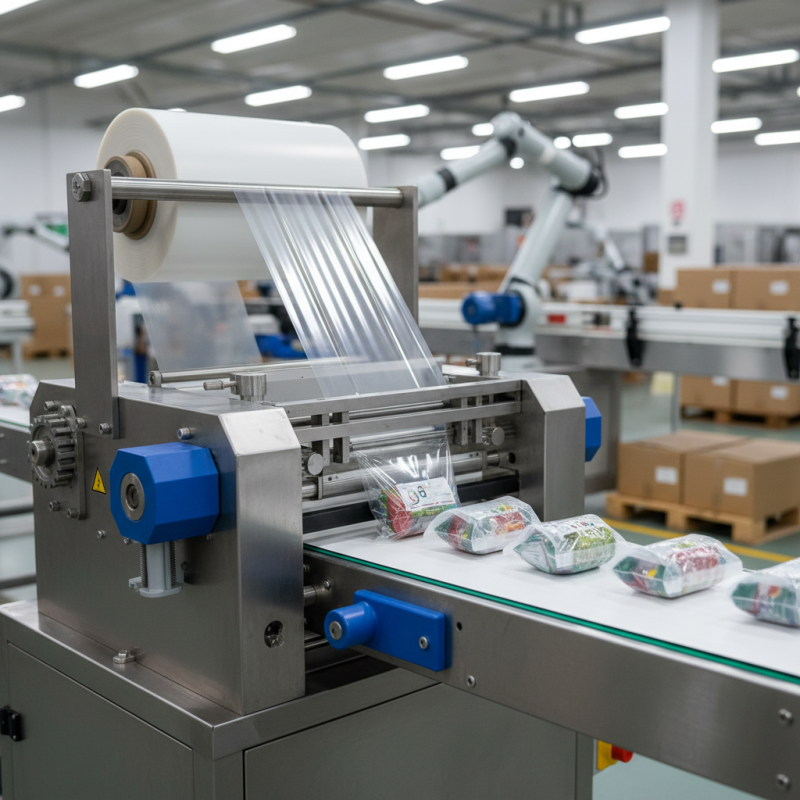
Understanding Roll Stock Machines and Their Functions
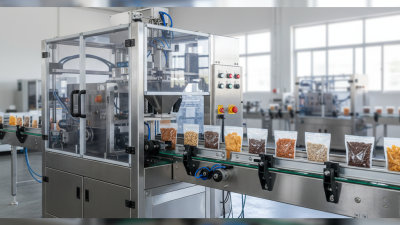
Roll stock machines are essential in today's packaging sector. They provide efficient solutions by utilizing flexible materials to create bags or pouches. This method is favored for its speed and versatility. Understanding how these machines work can greatly enhance packaging operations.
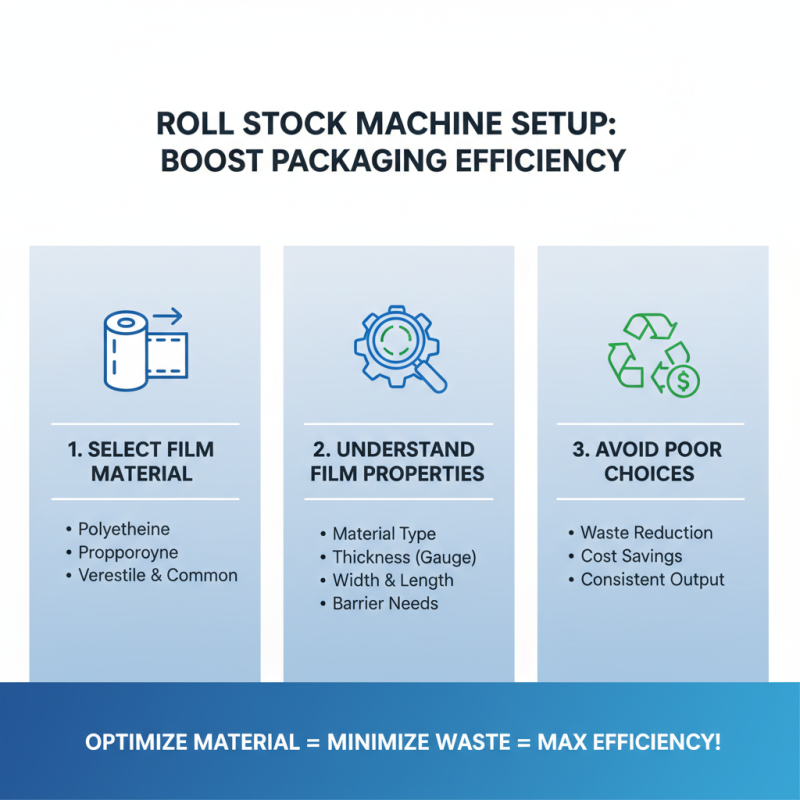
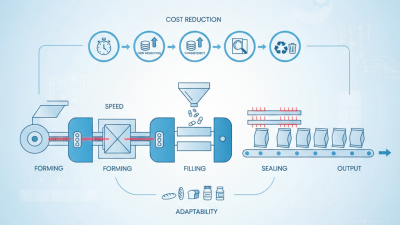
Typically, these machines use a continuous roll of flexible material. This roll feeds into the machine, where it is formed into a desired shape. The design options are numerous, allowing for custom sizes and prints. This can be particularly useful for brands aiming for unique packaging. One must pay attention to the material type used. It should match the product's requirements for optimal preservation and display.
Here are some tips for effective use of roll stock machines:
- Regularly clean and maintain the machinery to ensure smooth operation.
- Monitor the packaging speed and adjust if necessary. Slowdowns can impact overall efficiency.
- Experiment with different materials to find the best fit for your products. This might take time but is crucial for quality.
Utilizing roll stock machines can elevate your packaging game, but it requires thoughtful implementation and constant evaluation.
Key Benefits of Using Roll Stock Machines in Packaging
Roll stock machines offer significant advantages in packaging efficiency. According to a report by Packaging Machinery Manufacturers Institute (PMMI), these machines can reduce material waste by up to 25%. This is crucial for companies aiming to lower costs and improve sustainability. When using roll stock, products are wrapped tightly, minimizing excess material. The precision of these machines ensures a snug fit around the product, resulting in enhanced shelf-life.
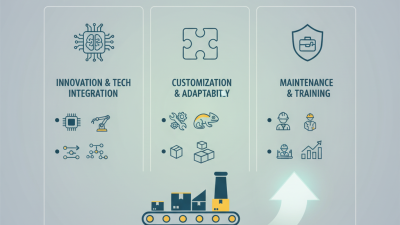
In addition, roll stock machines provide versatility. They can adapt to various packaging sizes and types, making them suitable for multiple product lines. A survey conducted by Freedonia Group highlighted that businesses using roll stock machines reported a 30% increase in production speeds. However, some companies struggle with the initial setup and training for operators. This learning curve can lead to temporary inefficiencies.
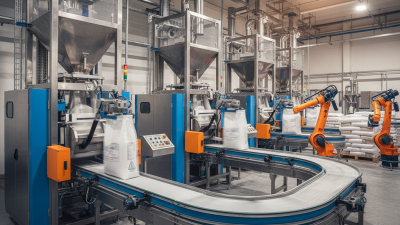
Moreover, the speed and automation of roll stock machines lead to reduced labor costs. Companies can allocate resources more efficiently. Despite their benefits, the initial investment can be a barrier for some. A balance must be struck between upfront costs and long-term savings. Taking the time to analyze operation needs is essential for success.
Efficiency of Roll Stock Machines in Packaging
Best Practices for Operating Roll Stock Machines Efficiently
Efficient operation of roll stock machines can significantly streamline the packaging process. According to a recent industry report, companies that employ best practices can achieve up to 30% higher production efficiency. Training staff on machine operation is crucial. Many operators overlook routine checks, leading to avoidable downtime. Regular maintenance ensures that machines run smoothly and reduces long-term costs.
Using the correct settings for different materials is essential. Data shows that improper temperature settings can lead to adhesion issues. Operators should pay attention to the thickness and type of film being used. A quick calibration step can prevent waste and enhance product quality. Many facilities miss this step, leading to inconsistent results and lost profits.
Additionally, monitoring machine performance is vital. Sensors can provide real-time data, alerting operators to potential issues. However, not all facilities invest in this technology. Without these insights, inefficiencies can go unnoticed. For instance, a machine running below capacity can cost thousands over time. Reflection on these areas can lead to substantial improvements and financial gains.
How to Use a Roll Stock Machine for Efficient Packaging Solutions?
| Dimension |
Value |
Notes |
| Maximum Film Width |
24 inches |
Suitable for large packages |
| Speed |
30-50 packages/min |
Varies with package design |
| Operating Temperature |
60-90°F |
Optimal for film handling |
| Film Thickness |
0.5-3 mils |
Depends on package durability required |
| Changeover Time |
10-20 minutes |
Time to switch film types |
| Maintenance Frequency |
Weekly |
For optimal performance |
Common Troubleshooting Tips for Roll Stock Machines in Packaging
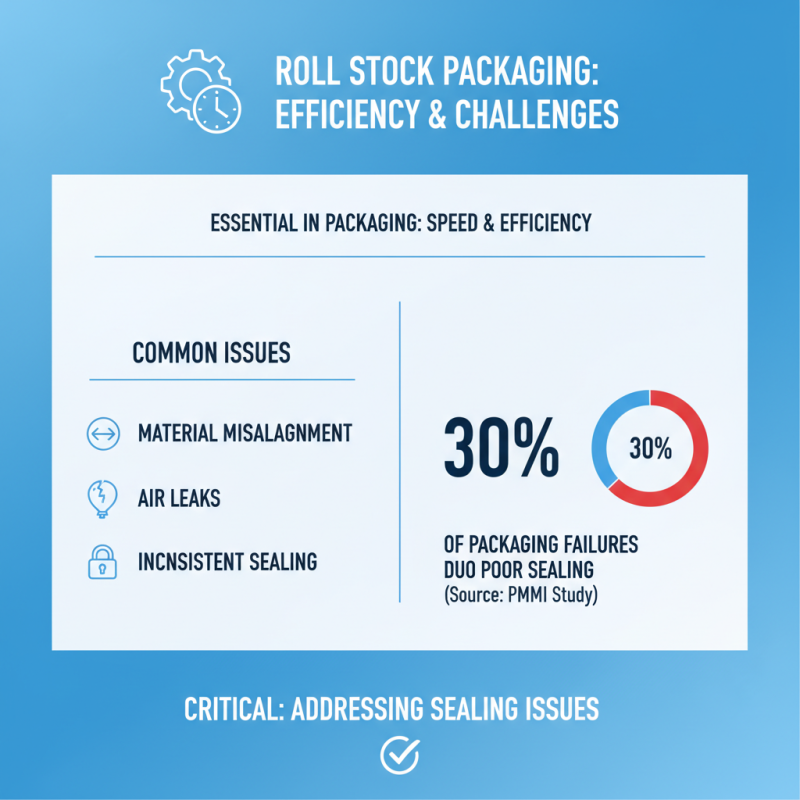
Roll stock machines are essential in packaging, providing efficiency and speed. However, they can present some challenges. Common issues include misalignment of material, air leaks, and inconsistent sealing. According to a study by the Packaging Machinery Manufacturers Institute, poor sealing accounts for up to 30% of packaging failures. Therefore, addressing sealing issues is critical.
Regular inspections can minimize complications. Check the alignment before starting production. Misalignment can lead to waste and costly delays. It's also vital to monitor air pressure. Low pressure can cause air leaks, affecting the integrity of the package. Inconsistent packaging can lead to customer dissatisfaction.
An estimated 20% of workers waste time troubleshooting these machines, according to industry reports. Simple solutions can help. Training staff to observe and report issues can prevent small problems from escalating. Engage them in routine maintenance checks. Reflecting on these practices can lead to improved efficiency.