Top 10 Pouching Machines for Efficient Packaging Solutions?
In today's fast-paced market, efficiency is paramount. Companies increasingly rely on advanced pouching machines for their packaging needs. These machines streamline production, improve accuracy, and reduce waste. With so many options available, it can be overwhelming to choose the right one.
Selecting the optimal pouching machine requires understanding your specific requirements. Businesses must consider factors like speed, durability, and customization. Not all machines are built equally; some may not meet the rigorous standards required for high-volume production. Investing in a reliable pouching machine is crucial for long-term success.
While many brands tout their products, not every machine will be perfect for every situation. Knowing the limitations and strengths of each model is essential. The best solutions come from thorough research and careful evaluation. Ultimately, choosing a high-quality pouching machine can revolutionize your packaging process and set you apart in a competitive landscape.
Types of Pouching Machines for Different Packaging Needs
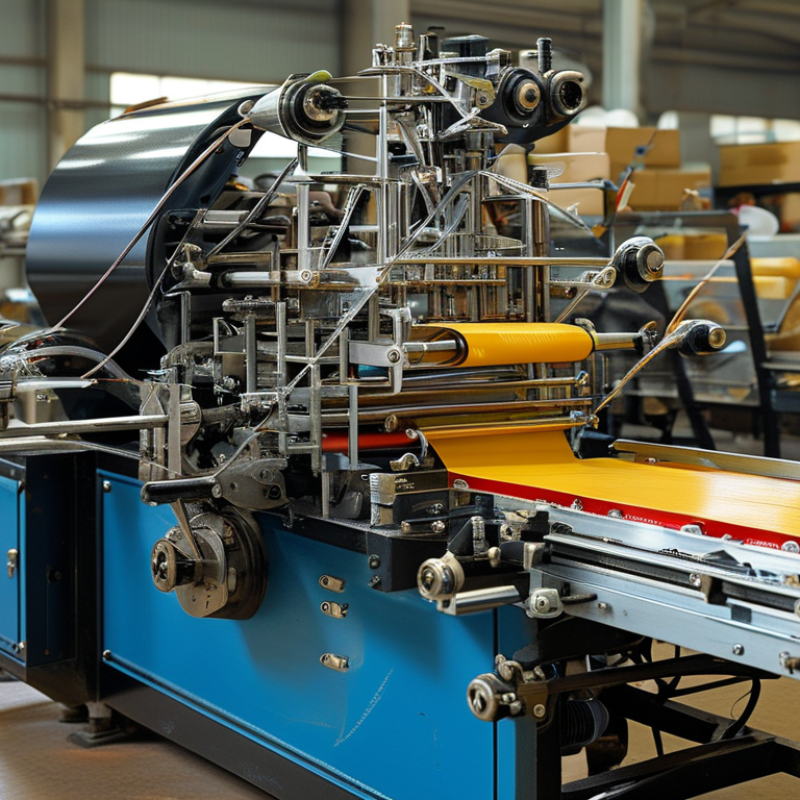
When it comes to pouching machines, numerous types cater to various packaging needs. One popular type is the vertical form-fill-seal (VFFS) machine, ideal for granules and powders. Reports suggest that the VFFS market grew at a rate of 4.5% in 2022. This demonstrates a robust demand for efficient, high-speed packaging solutions. These machines create pouches directly from rolls of film, offering flexibility and reducing material waste.
Another prevalent type is the horizontal form-fill-seal (HFFS) machine. This type is particularly adept at packaging products that require a more delicate handling process, like liquid and fragile items. The demand for HFFS machines has also seen a significant rise, primarily driven by the food and beverage industry. Industry experts estimate a compound annual growth rate (CAGR) of 5.2% for this segment through 2027. These machines emphasize the need for reliability and precision in packaging.
Understanding the specific needs of your product is crucial. Not all pouching machines are suitable for all products. This can result in packaging inefficiencies. For example, using a VFFS machine for liquids can lead to leakages and downtime. Companies must carefully assess their requirements and align them with available technology. This degree of forethought can significantly enhance overall efficiency.
Key Features to Consider When Selecting Pouching Machines
When selecting effective pouching machines, there are several key features to keep in mind. The machine's speed can vastly impact productivity. A faster machine often enhances efficiency, but may require more maintenance. Evaluate if the speed aligns with your production needs.
Flexibility is another important consideration. Some machines handle various pouch sizes and types, which is essential if you have diverse packaging requirements. This adaptability can help accommodate future product changes without needing a new machine.
Look into the user interface and ease of operation. A straightforward control panel makes the learning curve shorter for operators. Also, consider the machine's durability and maintenance needs. Frequent repairs can lead to downtime, affecting your output. Balancing these features with your specific needs will guide you in making the right choice.
Top 10 Pouching Machines for Efficient Packaging Solutions
| Machine Model |
Speed (Pouches/Min) |
Pouch Size Range (mm) |
Material Compatibility |
Key Features |
| Model A |
30 |
100-250 |
Plastic, Foil |
Automatic sealing, Touch screen control |
| Model B |
40 |
90-230 |
Plastic, Paper |
Multi-lane operation, High precision |
| Model C |
25 |
80-200 |
Foil, Paper |
Compact design, Easy maintenance |
| Model D |
35 |
100-300 |
Plastic, Laminated |
Energy efficient, High-speed performance |
| Model E |
45 |
70-200 |
Paper, Compostable |
Eco-friendly, Smart automation |
| Model F |
50 |
85-250 |
Plastic, Foil |
High throughput, Customizable formats |
| Model G |
20 |
75-180 |
Plastic, Metallized |
Low maintenance, Robust construction |
| Model H |
33 |
100-220 |
Foil, Plastic |
User-friendly software, Fast setup |
| Model I |
28 |
90-240 |
Plastic, Biodegradable |
Intuitive controls, Versatile configuration |
| Model J |
37 |
95-250 |
Plastic, Laminated |
Flexible design, High reliability |
Top 10 Brands and Models of Pouching Machines in 2023
The demand for advanced pouching machines has surged in recent years. In the food and beverage industry, for example, packaging has become essential to maintaining freshness. According to industry reports, around 70% of consumers prioritize packaging quality when making purchase decisions. This emphasizes the importance of selecting the right pouching machine for efficiency and effectiveness.
Several brands and models stand out in 2023. Key features include versatility, speed, and durability. A model that offers adjustable speed settings can accommodate various pouch sizes. This adaptability allows manufacturers to cater to different market segments. Additionally, energy-efficient machines are gaining popularity, as they help reduce operational costs.
For those exploring pouching machines, consider your specific needs. Assess the type of materials you will package. Look for machines that provide easy maintenance. Investing in technology that supports quick changeovers can enhance productivity. Industry expertise suggests evaluating user reviews. They often provide insights into real-world performance and reliability.
Top 10 Pouching Machines for Efficient Packaging Solutions in 2023
This bar chart represents the packaging speeds of the top 10 pouching machine models in 2023, showcasing their efficiency in the production process.
Cost Analysis and Budgeting for Pouching Machines
When considering pouching machines, cost analysis is essential. Research shows that the initial investment can vary significantly. Basic pouching machines might start around $10,000, while advanced models can exceed $100,000. Businesses should evaluate their needs against potential returns. An efficient machine can save labor and material costs, providing a solid ROI.
Operating costs also play a critical role in budgeting. For instance, maintenance expenses typically average 2-5% of the machine's value annually. However, unexpected repairs can spike these costs, highlighting the importance of thorough inspections. According to a recent report by the Packaging Machinery Manufacturers Institute, approximately 30% of businesses plan for budget overruns when acquiring new equipment.
Moreover, companies should consider automation levels. Automated pouching machines tend to require higher upfront costs but offer efficiency gains. These machines can reduce packaging time by up to 50%, allowing companies to respond rapidly to market demands. However, businesses must weigh these benefits against initial financial commitments. Balancing efficiency and cost is key to strategic procurement.
Maintenance Tips for Enhancing Pouching Machine Longevity
Maintaining pouching machines effectively can significantly enhance their longevity. Regular cleaning is essential. Dust and product residue can accumulate, leading to malfunctions. Schedule routine cleanings after every shift to ensure optimal performance. Inspect interior components for wear. A worn-out part can disrupt the entire process, ultimately slowing down production.
Lubrication plays a key role in machine maintenance. Use the recommended lubricants to avoid internal friction. Proper lubrication aids smoother operation and can prevent costly repairs. Don’t overlook the importance of checking belts and seals. These components are critical for maintaining pressure and ensuring airtight seals. If you notice any fraying, replace them promptly to avoid further issues.
Training staff on proper operation is crucial. Many issues arise from user error. Encourage your team to follow the manual closely. Create a checklist for daily operations to help prevent overlooked tasks. An engaged team can contribute significantly to the machine's lifespan. Remember, small oversights today can lead to major problems tomorrow. Cultivating a proactive maintenance culture can yield substantial benefits for your operations.