What is a Rollstock Packaging Machine and How Does It Work?
In the evolving landscape of packaging technology, the rollstock packaging machine stands out for its efficiency and versatility. According to a recent report by MarketsandMarkets, the global packaging machinery market is expected to reach $64.6 billion by 2025, with rollstock technology playing a crucial role in this growth. Rollstock packaging machines offer various advantages, including reduced material waste and improved production speed.
“Rollstock machines are a vital part of modern manufacturing,” states Dr. Emily Hart, a leading expert in the packaging industry. Her insights highlight the machine’s ability to adapt to various industries, from food to pharmaceuticals. As businesses prioritize sustainability, the efficiency of rollstock packaging machines can help reduce carbon footprints.
However, despite their numerous benefits, there are challenges. Some manufacturers struggle to integrate these machines into existing production lines. Also, as technology continues to advance, staying updated on the latest innovations is essential. This pursuit of improvement often raises more questions than answers. The rollstock packaging machine holds great promise, yet to fully harness its potential, ongoing reflection and adaptation are necessary.
What is Rollstock Packaging?
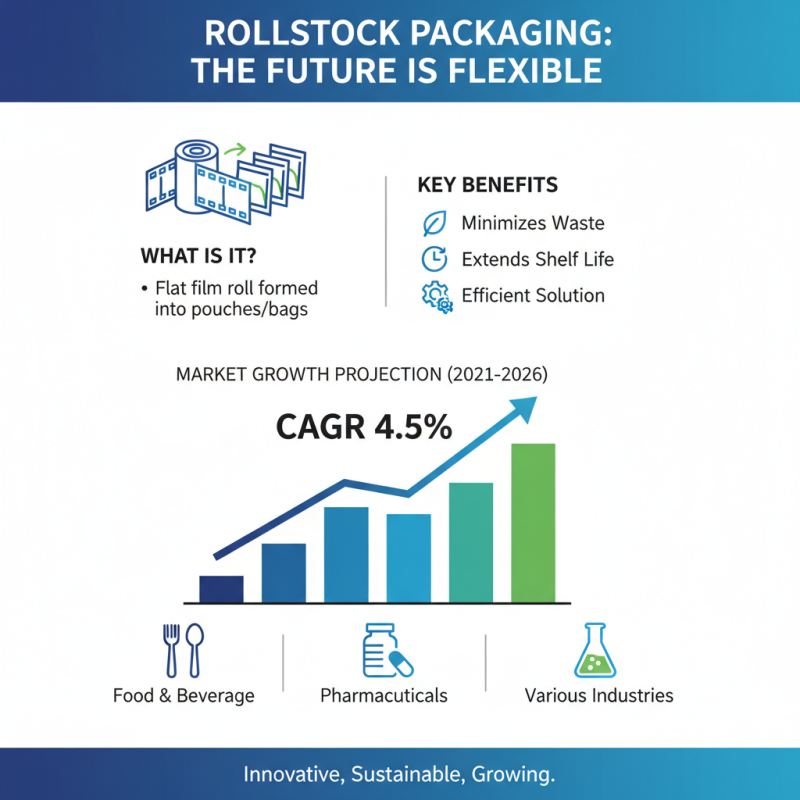
Rollstock packaging is an innovative solution widely used in various industries, especially food and beverages. This method involves the use of a flat roll of film that is formed into pouches or bags. According to recent industry reports, the rollstock packaging market is projected to grow at a CAGR of 4.5% from 2021 to 2026. This growth highlights the increasing demand for efficient packaging solutions that minimize waste and enhance product shelf life.
In practical application, rollstock packaging reduces material costs. By utilizing a continuous roll, manufacturers save on unnecessary cutting processes. This approach also allows for quicker setup times, making production runs more efficient. However, it’s crucial to ensure correct sealing and cutting processes are in place to avoid quality issues. Consistent monitoring can help troubleshoot any problems before they affect production.
Tip: Regular maintenance of machinery is essential to ensure optimal performance. Inspect parts to prevent breakdowns and delays. Additionally, consider the thickness and type of film, as these factors significantly influence packaging quality. Using the right materials helps minimize errors and enhances product protection. Don't overlook the importance of testing different seals to find the most effective method for your specific products.
Key Components of a Rollstock Packaging Machine
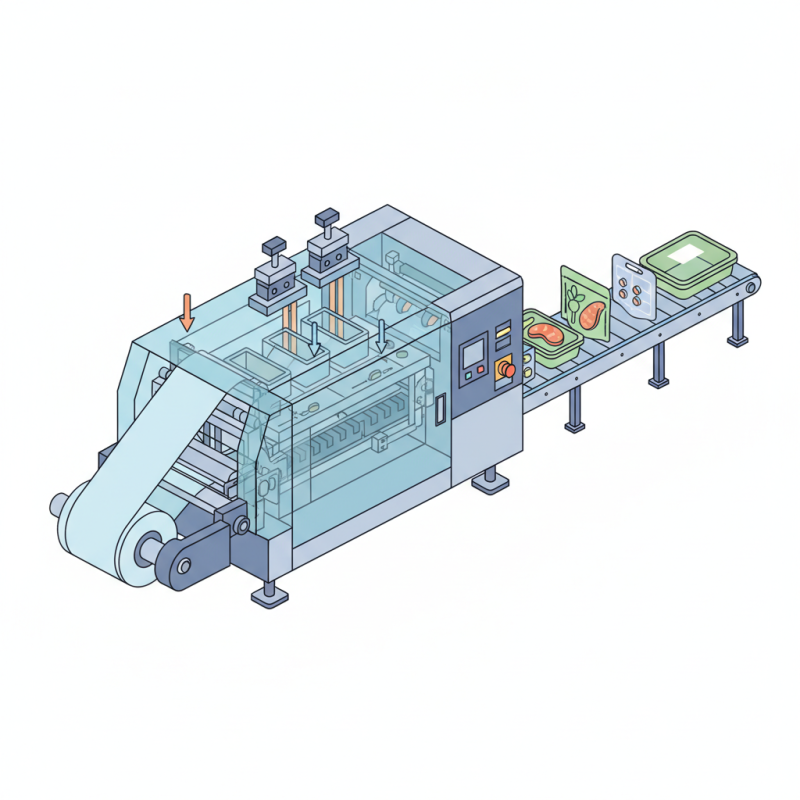
Rollstock packaging machines are vital in the packaging industry. They are designed to create flexible packages by using roll-fed material. Understanding their key components is essential for efficient operation.
The primary component of a rollstock machine is the unwind system. It feeds the roll of film into the machine. According to a recent market analysis, the unwind system significantly influences efficiency. If the roll doesn’t feed smoothly, delays may occur. These delays can lead to increased production costs.
Another crucial component is the sealing mechanism. It ensures packages are securely closed. Studies show that the quality of sealing directly impacts product shelf life. Many manufacturers face challenges in achieving optimal seal strength. Inadequate sealing can result in product spoilage. Finally, the control system regulates machine settings, ensuring precision. Errors in settings can lead to faulty packages, raising concerns about reliability. Proper training for operators is key to avoiding such pitfalls.
How Rollstock Packaging Machines Work
Rollstock packaging machines are innovative solutions in the food and product packaging industry. They utilize a continuous roll of flexible packaging material. This material is unwound, formed, filled, and sealed. The process is efficient, reducing waste and increasing production speed.
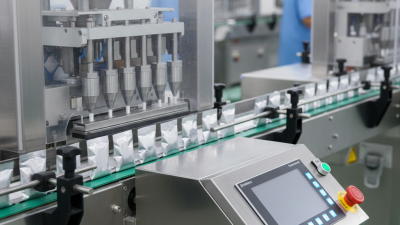
During operation, the rollstock machine feeds the material through various stations. At each station, it undergoes specific transformations. The material is shaped into pouches or trays. Then, it is filled with products like snacks or liquids. The sealing mechanism is crucial. It ensures airtight packaging, preserving product freshness.
These machines require skilled operators for optimal performance. Proper adjustments are essential to avoid misalignment and faults. Regular maintenance is necessary to prevent breakdowns. Sometimes, unexpected issues arise, requiring quick troubleshooting. Continuous learning about the evolving technology is vital for operators. Embracing challenges helps enhance reliability in packaging solutions.
What is a Rollstock Packaging Machine and How Does It Work? - How Rollstock Packaging Machines Work
| Feature |
Description |
Benefits |
| Speed |
Can produce up to 100 packages per minute |
Increases production efficiency |
| Operation Type |
Inline or intermittent motion |
Versatile for different production layouts |
| Material |
Works with various films, including plastic and foil |
Adapts to diverse product needs |
| Integration |
Easily integrates with conveyor systems |
Streamlines workflow |
| Control System |
Modern touchscreen interface |
User-friendly and efficient operation |
| Maintenance |
Requires minimal downtime for cleaning |
Maximizes production availability |
Benefits of Using Rollstock Packaging Technology
Rollstock packaging technology has gained traction in various industries. This method is essential for producing flexible packaging efficiently. The flexible nature of rollstock allows for a wide range of products, from food items to medical supplies, to be packaged quickly and effectively. According to industry reports, the global flexible packaging market is expected to reach $300 billion by 2025, emphasizing the growing demand for innovative packaging solutions.
One of the significant benefits of rollstock packaging is its ability to reduce waste. Traditional packaging methods often result in excess material consumption. Rollstock minimizes this by utilizing precise measurements and continuous rolls. Recent studies indicate that companies adopting rollstock technology can decrease material waste by up to 30%. This not only conserves resources but also enhances sustainability initiatives within organizations.
Cost efficiency is another key advantage. Rollstock packaging machines operate faster than many traditional systems, which reduces labor costs. Moreover, the streamlined processes mean that lower production costs can often translate into savings for consumers. Still, companies must be cautious. The initial investment for these machines can be high. It's crucial to weigh the long-term savings against initial expenditures. Therefore, businesses must evaluate their specific needs carefully.
Applications of Rollstock Packaging in Various Industries
Rollstock packaging is versatile and widely used across various industries. In food manufacturing, it helps extend shelf life and maintain freshness. The packaging keeps products protected from moisture and contaminants. For example, snacks and frozen foods are often packaged this way. The visual appeal of rollstock films also enhances marketing efforts and grabs consumer attention.
In the pharmaceutical sector, rollstock packaging is crucial. It provides a sterile barrier for tablets and ointments. This protects sensitive products from environmental factors. The precise sealing techniques used ensure that medications remain effective. However, the challenge lies in ensuring that the packaging meets all safety standards.
The cosmetic industry also utilizes rollstock packaging. It offers an elegant solution for creams and serums. The clear visuals can showcase product textures, making them more appealing. Nevertheless, brands must focus on sustainability. This raises questions about the environmental impact of materials used. Adapting to eco-friendly options is important but can be challenging.
Applications of Rollstock Packaging in Various Industries