How to Use Machine Vision Inspection for Quality Control?
Machine Vision Inspection has revolutionized quality control across industries. This technology uses cameras and software to detect defects in products. It enhances accuracy and speed in the inspection process. Many manufacturers are now adopting this innovative approach to improve their quality standards.
Implementing Machine Vision Inspection is vital for maintaining product quality. The systems can catch errors that human inspectors might miss. However, there are challenges involved. Cameras need proper lighting and calibration to function optimally. Without these, results can be inconsistent. Ensuring the system is correctly set up is crucial.
Companies should consider ongoing training for staff. Understanding the technology can lead to better utilization and fewer errors. Machine Vision Inspection is powerful, but it is not infallible. Regular maintenance and updates are necessary. A thorough review of the system's effectiveness is also essential. This way, businesses can maximize the benefits of this advanced quality control method while addressing its limitations.
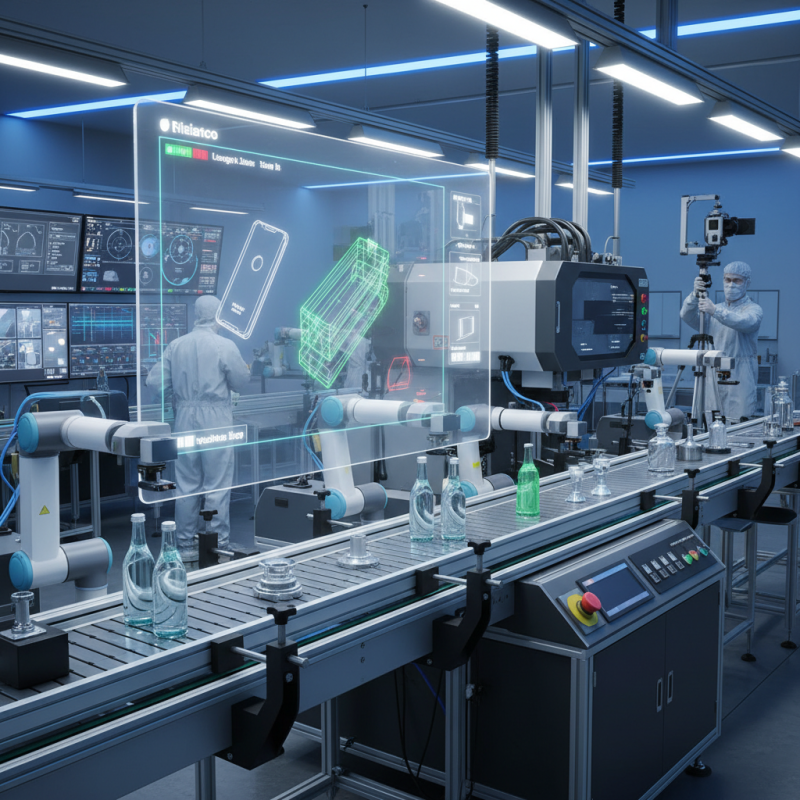
What is Machine Vision Inspection and Its Role in Quality Control?
Machine vision inspection is transforming quality control across industries. This technology uses cameras and image processing to analyze products for defects. In the automotive sector, for instance, over 70% of manufacturers now rely on machine vision to enhance quality and reduce costs. This shift enables rapid detection of flaws, leading to faster production cycles.
Despite its benefits, machine vision is not infallible. It may miss certain defects if not calibrated properly. Research indicates that up to 10% of errors can occur due to lighting issues or camera malfunctions. Additionally, the initial setup can be complex and time-consuming. Companies must invest in training for staff to operate these systems effectively.
Moreover, the integration of machine vision into existing workflows can be challenging. It requires thoughtful planning and adjustments. Even with advanced algorithms, some variables can lead to inaccuracies. As industries aim for zero-defect production, constant evaluation of machine vision systems is crucial to identify areas for improvement.
Machine Vision Inspection for Quality Control
Key Components of Machine Vision Systems for Effective Quality Inspection
Machine vision inspection plays a crucial role in quality control. It relies on sophisticated technology to ensure product integrity. At the core of these systems are several key components. Cameras capture images of products at high speeds. These images can reveal surface defects, incorrect assembly, or other quality issues.
Lighting is another significant element. Proper lighting minimizes shadows and highlights defects effectively. Different products may require different lighting techniques. Furthermore, software analyzes the images, using algorithms to identify problems. But, not all software delivers accurate results. Continuous validation is necessary to ensure reliability.
Another component is the integration with existing production lines. Sometimes, the placement of camera systems can be challenging. They might require adjustments to capture the best angles. There can be inconsistencies in product alignment on the conveyor. A well-calibrated system can mitigate this, but it demands regular maintenance and testing. Over time, operators may overlook the need for updates to the inspection process, leading to missed defects. These factors illustrate the complexities in implementing machine vision systems for quality inspection.
Steps to Implement Machine Vision Inspection in Manufacturing Processes
Implementing machine vision inspection in manufacturing can enhance quality control significantly. Begin by assessing your production line. Identify critical quality parameters that require monitoring. These parameters might include dimensions, color, or surface defects. Gathering this data helps in setting the benchmarks for your inspection system.
After defining what to inspect, choose suitable camera technology. This is not always straightforward. Not all cameras are created equal, and selecting the wrong type can lead to misinterpretations. Train your team on using the technology effectively. Regular updates and learning sessions are vital. While machines can do a lot, human oversight remains essential.
Finally, initiate a pilot phase. Monitor results closely for inconsistencies. Adjust your system based on feedback from operators. Reflection on initial errors can lead to improvements. Sometimes, the desired outcomes might not materialize immediately. Recognizing these flaws is the first step toward perfecting the process. Each iteration enables better alignment with manufacturing goals, ensuring higher quality products.
Common Applications of Machine Vision in Quality Control Across Industries
Machine vision inspection is transforming quality control across various industries. Its applications span manufacturing, food processing, and pharmaceuticals, enhancing product consistency and safety. In manufacturing, machine vision can detect defects in components at high speeds. Studies show that 80% of companies report improved quality through the use of these systems.
In food processing, machine vision systems monitor packaging integrity. They identify mislabeling and foreign contaminants, crucial for food safety. According to a report, implementing such technology can reduce waste by up to 25%. Yet, challenges remain. Not every setup is perfect; occasional false positives and negatives can occur, leading to potential issues in production lines.
Here are some tips for effective machine vision implementation. First, ensure proper lighting conditions. Poor lighting can drastically affect image recognition. Second, maintain regular calibration and checks on the system. Inconsistent performance can result in overlooked defects. Lastly, train employees adequately. Their understanding of the technology can enhance its effectiveness and minimize errors during usage. Aim for a balance between automation and human oversight, as both play vital roles in quality assurance.
Benefits and Challenges of Using Machine Vision for Quality Assurance
Machine vision inspection is transforming quality control in various industries. It offers numerous advantages, including speed, accuracy, and consistency in identifying defects. With high-resolution cameras and advanced algorithms, machines can quickly analyze products. They can catch errors that the human eye may miss. This leads to improved product quality and reduced waste.
However, implementing machine vision is not without challenges. Initial costs can be significant. Companies must invest in technology and training. Additionally, lighting conditions and image clarity can affect inspection results. If the setup isn’t optimized, the system may produce false positives or negatives. Not every defect is easily identifiable. Certain products may require complex analysis, leading to longer processing times.
The integration of machine vision must be handled with care. Regular maintenance of the system is vital to ensure consistent performance. Employees must be trained to interpret data and address issues. Machine vision is not a one-size-fits-all solution. Each implementation should be tailored to specific needs and environments. A thoughtful approach is necessary to maximize benefits and minimize drawbacks.