Why HFFS Machine is Essential for Modern Packaging Solutions?
The importance of the HFFS machine in modern packaging cannot be overstated. Packaging expert Sarah Thompson states, “HFFS machines are transforming the way products are packaged today.” This technology enhances efficiency and maintains quality.
HFFS machines provide solutions that meet the demands of diverse industries. They allow for flexibility and speed in packaging processes. With consumer preferences constantly changing, adaptability is key. Businesses face the challenge of keeping up with these evolving needs. HFFS machines can aid by offering innovative packaging styles.
However, implementing HFFS technology is not without its hurdles. Companies must consider the initial investment and training requirements. Striking a balance between cost and efficiency is essential. In this competitive landscape, ensuring reliable quality while embracing innovation is paramount. The evolution of packaging demands a rethink of traditional approaches, and HFFS machines stand at the forefront of this transformation.

Overview of HFFS Machines in Packaging Industry
HFFS (Horizontal Form Fill Seal) machines play a crucial role in modern packaging. They provide efficient solutions for various products, from food items to pharmaceuticals. The ability to quickly produce packages improves productivity and reduces costs. In the packaging industry, speed and accuracy are essential. HFFS machines cater to these needs by ensuring seamless packaging processes.
When choosing an HFFS machine, consider its flexibility. The ability to package different product sizes and materials is vital. Not every machine can achieve this. It's important to assess whether a machine fits your production goals. Additionally, maintenance plays a big role in efficiency. Regular check-ups can prevent costly downtime.
Tips: Always train operators well. A skilled team can maximize productivity and minimize errors. Evaluate the machine's features, ensuring they align with your production needs. This will save future headaches. Keep an eye on technology updates. Incorporating the latest advancements can enhance efficiency significantly.
Usage of HFFS Machines in the Packaging Industry
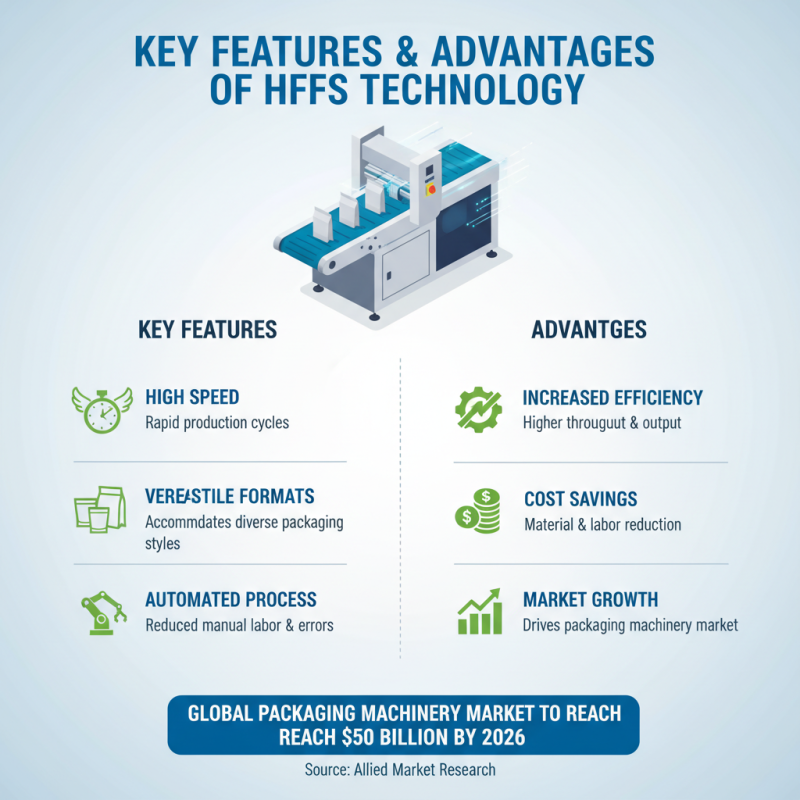
Key Features and Advantages of HFFS Technology
The High-Speed Form-Fill-Seal (HFFS) machine revolutionizes modern packaging with its innovative technology. According to research from Allied Market Research, the global packaging machinery market is projected to reach $50 billion by 2026, largely driven by advancements like HFFS.
One key feature of HFFS technology is its ability to automate the packaging process, significantly reducing labor costs and minimizing human error. This streamlined operation allows manufacturers to produce up to 200 packages per minute, depending on the product specifications. The versatility of HFFS machines caters to various industries, from food and beverages to pharmaceuticals. This adaptability is crucial in today's fast-paced market.
Moreover, HFFS machines enhance product safety through secure seals, ensuring freshness and compliance with health regulations. The efficiency of materials used saves costs and aligns with sustainable practices. However, the high initial investment can be a drawback for smaller businesses. The technology's rapid evolution also demands continual training and adaptation, posing challenges for enterprises not ready to evolve. This creates a nuanced landscape where the benefits must be weighed against potential growing pains.
Applications of HFFS Machines in Various Sectors
HFFS (Horizontal Form Fill Seal) machines have become vital in various industries. Their adaptability and efficiency significantly enhance packaging processes. In the food sector, HFFS machines are used extensively for snacks, ready-to-eat meals, and produce. According to a recent packaging report by Smithers Pira, the global market for flexible packaging is expected to reach $300 billion by 2025. This shift underscores the importance of HFFS technology in meeting modern consumer demands.
In the pharmaceuticals sector, HFFS machines ensure the integrity and safety of products. They provide precise dose packaging, which is crucial for medicines. The sterile environment created by HFFS technology significantly minimizes contamination risks. A study by Allied Market Research indicated that the pharmaceutical packaging market is set to grow by 15.2% annually through 2025. Such growth highlights the increasing reliance on advanced packaging solutions like HFFS machines.
The challenges in implementing HFFS machines should not be overlooked. Cost and training are often barriers for small businesses. Investing in new technology requires a deep understanding of operational efficiencies. Despite these challenges, the advantages of speed and versatility in packaging underscore why HFFS machines are central to the future of multiple sectors.
Why HFFS Machine is Essential for Modern Packaging Solutions?
| Sector |
Application |
Benefits |
| Food & Beverage |
Packaging of snacks, ready meals, and beverages |
Improved shelf life, reduced food waste, and enhanced presentation |
| Pharmaceuticals |
Packaging of tablets, capsules, and syringes |
Guaranteed sterility, safety, and regulatory compliance |
| Cosmetics |
Packaging of creams, gels, and bottles |
Enhanced branding, user convenience, and product protection |
| Electronics |
Packaging of components and devices |
Protection during shipping, ease of handling, and consumer safety |
| Chemical |
Packaging of liquid and powder chemicals |
Safety in transportation, contamination prevention, and user safety |
Comparison with Other Packaging Methods
The HFFS (Horizontal Form-Fill-Seal) machine stands out in the packaging industry for its efficiency and versatility. Unlike traditional packaging methods, such as manual packing or semi-automatic machines, HFFS automates the entire process. This significantly reduces labor costs and minimizes human error. Packaging is completed quickly, improving productivity. The machine forms, fills, and seals pouches in one continuous motion, offering a seamless workflow.
When compared to other packaging techniques, HFFS machines show their superiority in speed and flexibility. They can package a variety of products, including liquids and solids, in different sizes. However, this adaptability may sometimes lead to challenges in precision for delicate items. Unlike rigid packaging methods, HFFS accommodates various materials, but shifting from one material to another can require proper adjustments. This aspect may introduce complexity during operations.
Overall, while HFFS machines provide numerous advantages, reflecting on their implementation reveals potential downsides. Maintenance and training become crucial aspects to ensure optimal performance and avoid production hiccups. Understanding both the strengths and vulnerabilities is vital for businesses aiming to leverage modern packaging solutions effectively.
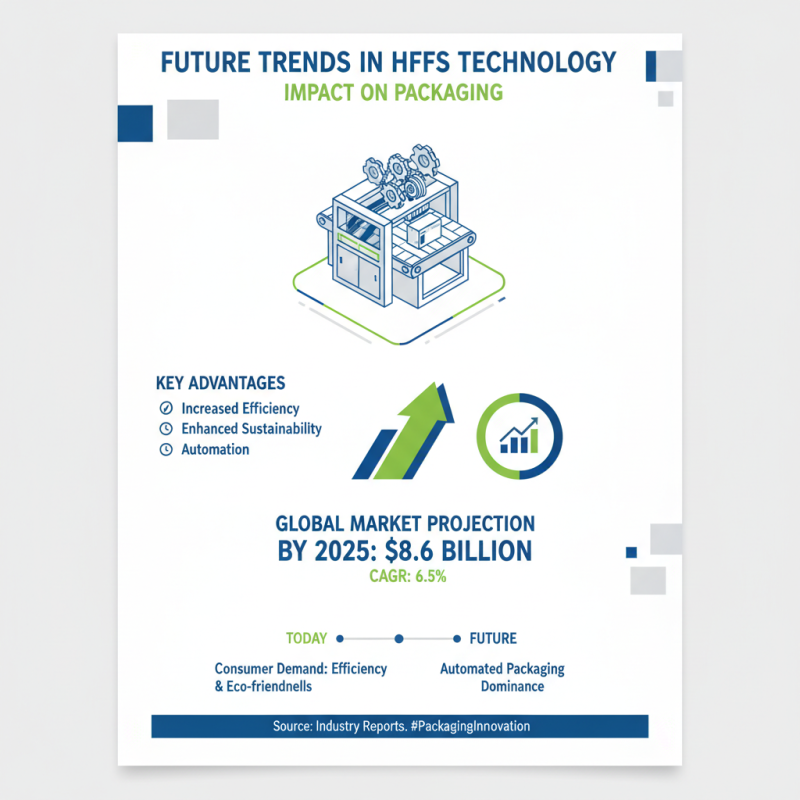
Future Trends in HFFS Technology and Its Impact on Packaging
The high-speed form-fill-seal (HFFS) machine is revolutionizing packaging solutions. As consumer demands for efficiency and sustainability grow, HFFS technology adapts, offering remarkable benefits. Industry reports highlight that the global market for HFFS machinery is projected to reach $8.6 billion by 2025, reflecting a CAGR of 6.5%. This rapid growth signals a shift towards more automated packaging processes.
Future trends indicate a strong movement toward smart packaging. Integrating Internet of Things (IoT) capabilities with HFFS machines allows manufacturers to optimize production. These advancements provide real-time data on efficiency and product quality. However, the adoption of technology can be overwhelming, especially for smaller businesses. Training employees and managing data systems may challenge many.
Sustainability also plays a crucial role in the future of HFFS technology. Reports suggest that environmentally friendly materials are becoming widely adopted. By 2030, nearly 60% of packaging materials used in HFFS processes may be recyclable or compostable. While this shift is promising, challenges remain. The balance between cost and sustainability can hinder progress for some manufacturers. Adapting to these changes will require innovative thinking and more collaborative efforts across the packaging sector.