What is a form fill and seal machine and how does it work?
The form fill and seal machine is a critical technology in the packaging industry. It automates the process of filling and sealing bags or pouches. According to a recent report by Allied Market Research, the global market for form fill and seal machines is expected to reach $4.5 billion by 2027. This growth is driven by the demand for efficient packaging in various sectors, including food, pharmaceuticals, and consumer goods.
Industry experts emphasize the importance of these machines. John Smith, a leading expert in packaging automation, states, "The form fill and seal machine revolutionizes efficiency and reduces labor costs." Despite its advantages, challenges remain. Operators must regularly maintain the machines to ensure optimal performance. Issues such as material compatibility and technical glitches can surface unexpectedly.
These machines are not infallible. Reliable performance is critical for customer satisfaction. As industries evolve, the need for advanced form fill and seal machines continues to rise. Understanding their workings is vital for businesses looking to stay competitive in the packaging market.
Definition of a Form Fill and Seal Machine
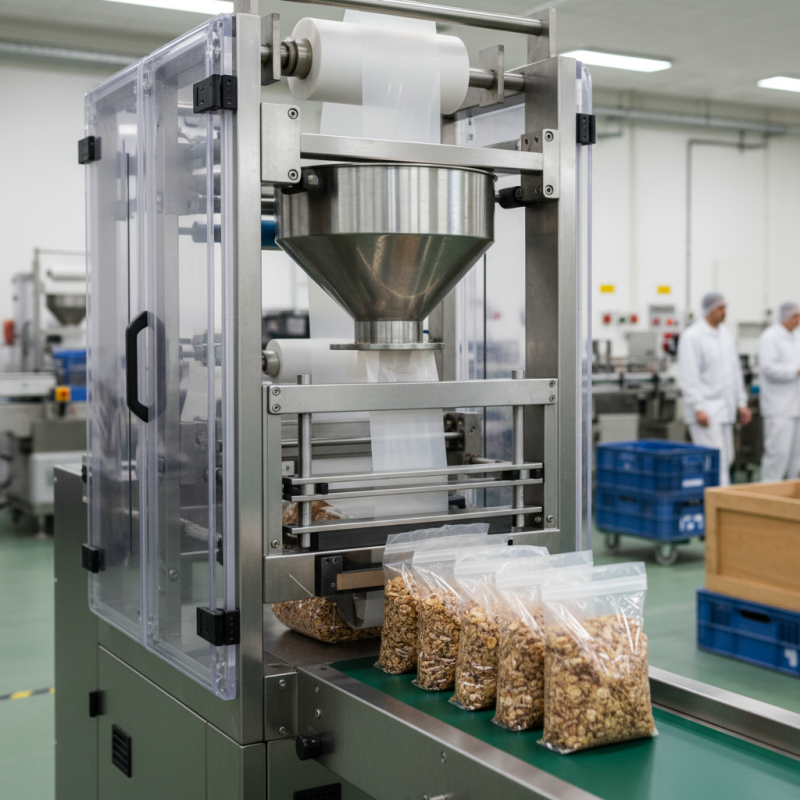
A form fill and seal machine is a crucial piece of equipment in the packaging industry. It automates the process of filling pre-made bags or pouches with products and sealing them to keep contents fresh. This technology significantly enhances efficiency in packaging lines, allowing manufacturers to meet increasing demands. According to a report by MarketsandMarkets, the market for form fill and seal machines is expected to grow at a CAGR of 6.7% from 2021 to 2026.
The operation begins with a roll of film or material that forms the pouch. The machine cuts, fills, and seals it in one continuous process. Sensors track the exact length of the pouch for precise filling. The speed of this operation often reaches up to 120 pouches per minute, depending on the machine's model and complexity. However, the implementation of such machinery comes with its challenges. Regular maintenance is essential to prevent downtime. If not done properly, it can lead to inconsistent sealing or product leakage.
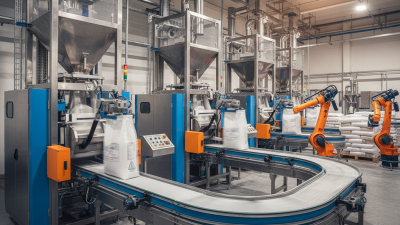
Form fill and seal machines are versatile. They are utilized across various sectors, including food, pharmaceuticals, and cosmetics. Each industry has different requirements. A miscalculation in size or fill volume can result in wasted materials and compromised products. Reports highlight that optimizing these machines for specific tasks can improve productivity. Yet, many operators face a steep learning curve. This can lead to initial errors during setup, affecting the overall efficiency of the production line.
Form Fill and Seal Machine Usage Statistics
Key Components of Form Fill and Seal Machines
Form fill and seal machines are essential in modern packaging. They streamline the process of filling, sealing, and cutting pouches. But what makes these machines so effective? Let’s explore their key components.
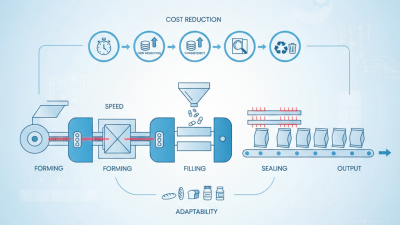
One major part is the forming station. It shapes flat film into pouches. The film is fed through rollers that create a tube. Next, the filling station injects the product. This station often employs various fillers for liquids or solids. It’s crucial for accuracy. An improperly filled pouch can lead to waste or customer dissatisfaction.
The sealing mechanism is another vital component. It applies heat or pressure to the edges of the pouches. A secure seal is necessary to maintain freshness. However, if the temperature is too high, it can damage the product inside. This balance is challenging. Lastly, the cutting device separates completed pouches. Precision here is important to avoid wastage. All these components must work in harmony for optimal performance. Each part needs regular maintenance and checks. Any oversight can slow down production or cause errors.
What is a form fill and seal machine and how does it work? - Key Components of Form Fill and Seal Machines
| Component |
Description |
Function |
| Hopper |
Stores bulk packaging material |
Feeds material into the machine |
| Forming Section |
Shapes the packaging material into bags |
Creates the desired bag shape |
| Filling Station |
Adds the product into the formed bags |
Ensures accurate portioning of product |
| Sealing Unit |
Seals the filled bags |
Prevents leakage and contamination |
| Cutting Mechanism |
Cuts the sealed bags from the roll |
Produces individual packages for distribution |
| Control System |
Monitors and manages the entire operation |
Ensures synchronization and efficiency |
Operational Process of Form Fill and Seal Machines
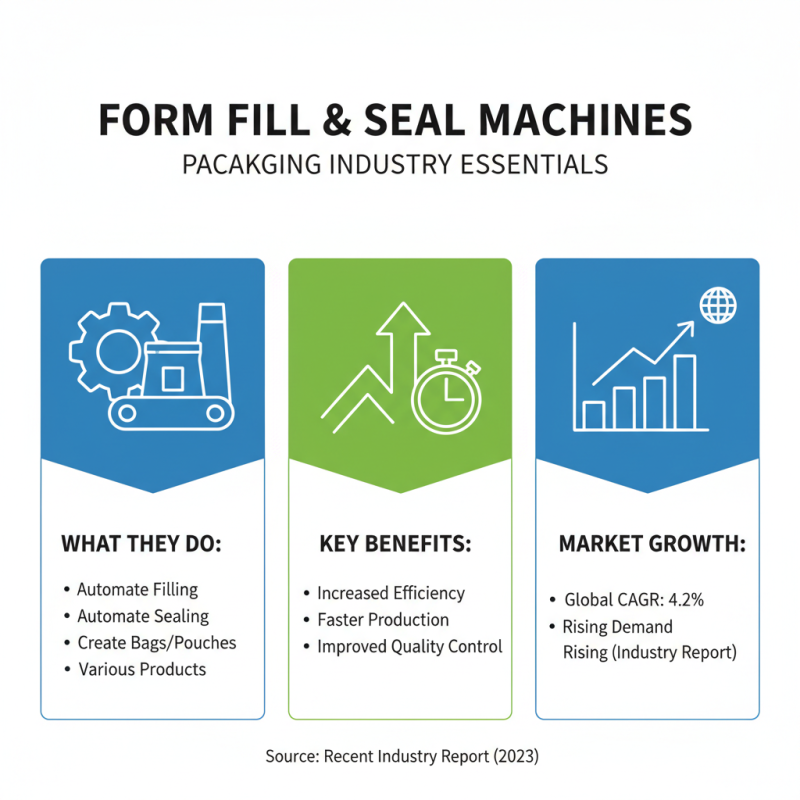
Form fill and seal machines are vital in packaging industries. They automate the process of filling and sealing various products into bags or pouches. This enhances efficiency, ensuring faster production and better quality control. According to a recent industry report, the global market for these machines is projected to grow at a CAGR of 4.2%, indicating rising demand.
The operational process begins with the machine forming a pouch from a roll of plastic or film. Once the pouch is formed, it proceeds to the filling stage. Here, the product, whether liquid, powder, or granulated material, is filled into the pouch. This process requires precision to avoid spills or underfilling. After filling, the sealing mechanism uses heat or pressure to securely close the pouch. Often, alignment issues or temperature inconsistencies can lead to sealing failures, which can result in product spoilage.
Data suggests that improper sealing can lead to up to 5% product loss during packaging. This highlights the importance of regular maintenance and calibration of machines. Operators must ensure that equipment is regularly checked for wear and tear. Possible machine malfunctions can lead to costly downtimes. With the right adjustments, however, companies can minimize waste and maximize productivity in their operations.
Applications of Form Fill and Seal Technology
Form fill and seal (FFS) technology is widely used across various industries. This method integrates the processes of forming, filling, and sealing packaging in one compact system. It enables efficient production while minimizing waste. According to recent reports, the global FFS packaging market is expected to exceed $45 billion by 2025, driven by rising demand for convenience and sustainable packaging solutions.
In the food industry, FFS systems are particularly popular. They support the packaging of various products, from snacks to liquids. This technology ensures a longer shelf life by keeping products fresh. However, challenges exist in maintaining seal integrity and ensuring hygiene standards during packaging. An error in the process can lead to contamination or wasted products, which can be costly.
The pharmaceutical sector also benefits from FFS technology. It allows for the precise filling of medications into various types of containers. This precision is crucial, as dosage errors can have serious consequences. Yet, achieving this level of accuracy consistently can pose challenges. Advances in automation and quality control are essential. They help address these issues and enhance efficiency in the long run.
Advantages of Using Form Fill and Seal Machines in Packaging
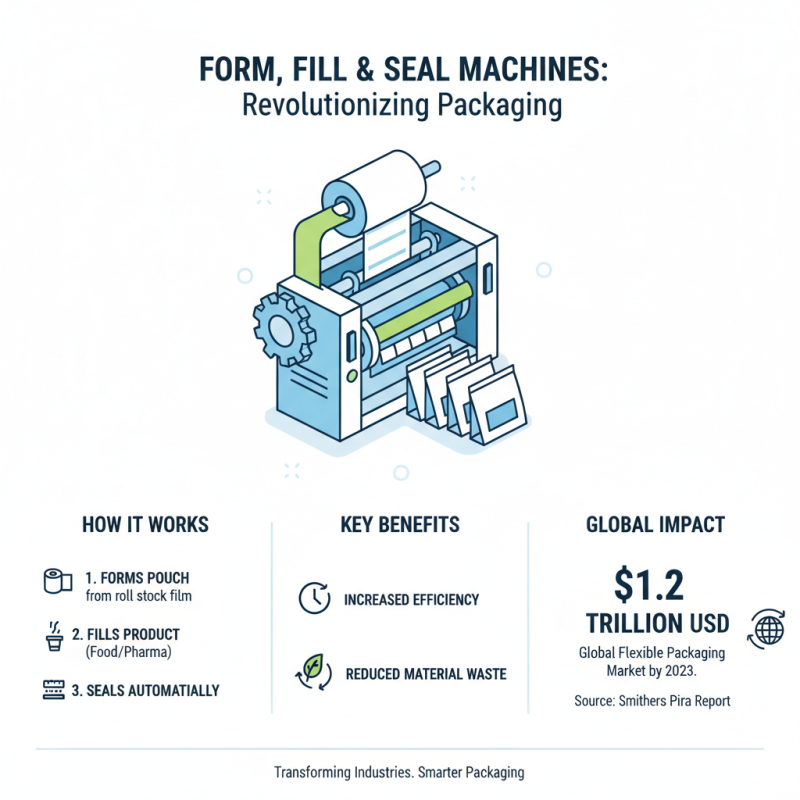
Form fill and seal machines have transformed the packaging industry, particularly in food and pharmaceutical sectors. These machines create packages from roll stock film, fill them with products, and seal them automatically. This process enhances efficiency and reduces material waste. According to a report by Smithers Pira, the global demand for flexible packaging is projected to reach 1.2 trillion USD by 2023. This highlights the growing importance of such machinery.
One major advantage is speed. Form fill and seal (FFS) machines can operate at speeds up to 200 packages per minute. This significantly boosts production efficiency compared to manual methods. Quality control is another benefit. FFS machines reduce human error, ensuring packages are sealed correctly. However, the initial investment can be daunting. Smaller companies may find it challenging to afford these machines upfront.
Tip: Evaluate production needs before investing. Understand potential returns to make an informed decision. Additionally, proper maintenance is crucial. Regular checks prevent costly breakdowns. Small flaws in the process can lead to larger issues down the line. Consider engaging in continuous training for staff to optimize machine use.