Experience & Vision

10 Essential Tips for Choosing the Right Packaging Equipment?

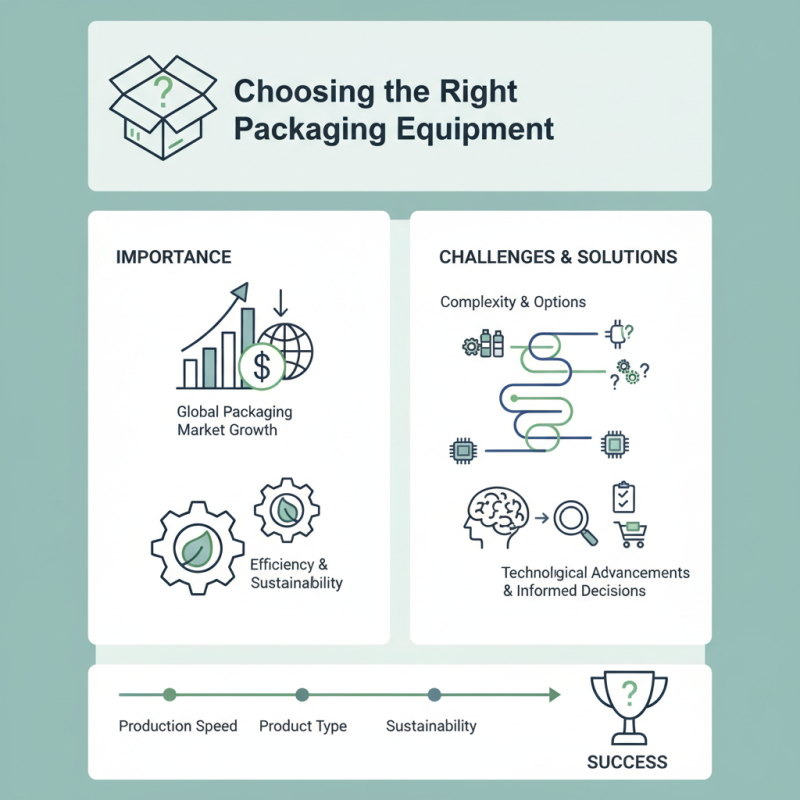
Choosing the right packaging equipment is crucial for business success. In today's fast-paced market, efficient packaging plays a significant role. According to a report from Smithers Pira, the global packaging market is expected to reach $1 trillion by 2024, highlighting the immense importance of effective packaging solutions.

Selecting appropriate packaging equipment can be complex. Companies must consider factors such as production speed, product type, and sustainability. Many businesses underestimate the long-term impact of packaging choices. A well-selected machine can reduce waste and increase efficiency.

Moreover, with technological advancements, innovative packaging solutions are emerging. However, navigating these options requires expertise. Many organizations struggle to stay updated on the latest trends. By understanding their unique needs, businesses can make informed decisions about their packaging equipment investments.
10 Essential Tips for Choosing the Right Packaging Equipment?

Understanding Your Packaging Needs and Objectives

When selecting packaging equipment, understanding your specific needs is vital. Begin by assessing your product types and sizes. Are you dealing with delicate items or robust goods? This knowledge shapes your equipment choice. Evaluate required speed and output. A high-output line may demand advanced machinery features.

Consider the environment where the equipment will operate. Will it endure high humidity or extreme temperatures? Ensure the packaging equipment can withstand these conditions. Additionally, focus on scalability. As your business grows, your packaging needs will evolve. Invest in flexible solutions that adapt easily.

Here are some tips to guide your decision-making. First, involve your team in discussions about their daily challenges with current equipment. Their insights are invaluable. Next, assess each option's maintenance and support requirements. Regular upkeep is often overlooked but crucial for longevity. Lastly, explore training opportunities. A well-prepared team ensures efficient equipment usage, reducing errors and waste.

10 Essential Tips for Choosing the Right Packaging Equipment

Tip Number Packaging Equipment Type Key Consideration Recommended Usage
1 Automatic Fillers Speed and Accuracy High volume production
2 Labeling Machines Label Type and Placement Products requiring labels
3 Case Sealers Seal Type Packaging boxes for shipment
4 Stretch Wrappers Load Size and Weight Pallets and large loads
5 Shrink Wrap Machines Material Compatibility Bundling products together
6 Carton Erectors Carton Size Variability Preparing cartons for filling
7 Palletizers Pallet Configuration Stacking products on pallets
8 Fill-Seal Machines Product Type Liquid or granulated products
9 Vacuum Sealers Material Surface & Thickness Perishable goods packaging
10 Banding Machines Banding Material Type Grouping products together

Evaluating Different Types of Packaging Equipment

Choosing the right packaging equipment can be challenging. There are many factors to consider. First, evaluate the type of product you package. Different products require different packaging solutions. For instance, liquid products may need filling machines with specific features. Solid products, on the other hand, benefit from equipment that offers efficient sealing.


Cost is a critical factor. A report from Smithers Pira noted that the global packaging machinery market is projected to reach over $50 billion by 2027. Understanding operating costs is vital. Equipment may come with a lower price tag but higher maintenance costs. It’s essential to analyze the total cost of ownership to avoid unexpected expenses down the line.


Production speed is another important consideration. High-speed machinery increases efficiency but may require more skilled operators. A balance is necessary. Too much speed can compromise quality, leading to more waste. Keep in mind, not all machines are created equal; some may limit scalability. Investing in versatile solutions can reduce the need for upgrades as your production needs evolve.

Assessing Equipment Compatibility with Product Specifications

When selecting packaging equipment, compatibility with your product's specifications is critical. Research indicates that improper equipment choices account for up to 30% of packaging errors, leading to increased waste and higher costs. Understanding the dimensions, weight, and sensitivity of your products helps in making informed decisions. For instance, fragile items require delicate handling and suitable packing mechanisms.

It's essential to consider the materials involved. A report from the Packaging Machinery Manufacturers Institute (PMMI) reveals that 48% of companies encounter issues when their equipment is not tailored for specific materials. This mismatch often results in production delays and substandard packaging. Taking the time to assess each material type—whether it's food, pharmaceutical, or industrial—can greatly influence the effectiveness of your packaging solution.

Testing the equipment with actual products can highlight potential inefficiencies. Many manufacturers overlook this step, leading to issues that could have been avoided. Consider running pilot tests. Evaluate how the equipment performs under various conditions. This reflective approach may reveal unexpected challenges, ensuring that the final choice meets both operational and product needs effectively.

10 Essential Tips for Choosing the Right Packaging Equipment

Considering Cost-Effectiveness and Budget Constraints

When considering packaging equipment, cost-effectiveness is crucial. Many businesses operate under strict budget constraints. Selecting the right equipment can directly impact your bottom line. Always evaluate the total cost of ownership. This includes purchase price, maintenance, and operating costs.

Check whether the equipment's production rate aligns with your business needs. High-capacity machines may seem appealing, but they might not suit lower-scale operations. Investing in technology that fits your volume can save money in the long run.

Consider the flexibility of the equipment too. Can it adapt to different product sizes or types? This capability can prevent the need for future investments. Additionally, don't overlook energy efficiency. Equipment consuming less power can lead to significant savings. Always weigh short-term costs against long-term benefits to find the right balance.

Researching Manufacturer Support and Maintenance Services

10 Essential Tips for Choosing the Right Packaging Equipment?

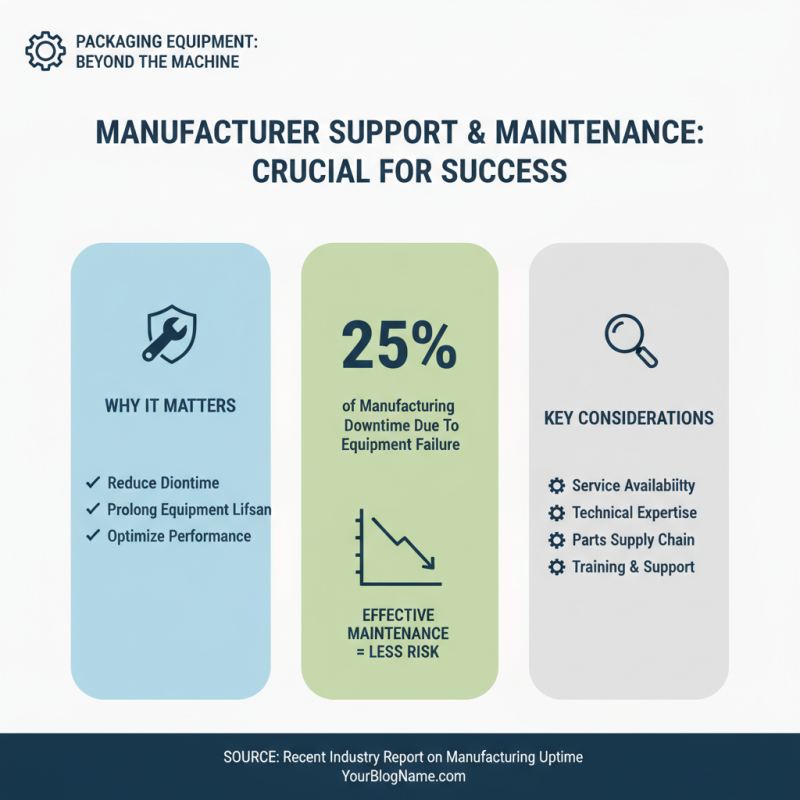
Choosing the right packaging equipment involves more than just evaluating the machinery. Researching manufacturer support and maintenance services is crucial. According to a recent industry report, around 25% of manufacturing downtime is due to equipment failure. Effective maintenance services can significantly mitigate this risk.

When selecting a manufacturer, consider their technical support. A strong support network ensures quick resolution of issues. Research shows that companies with reliable support can reduce their equipment-related downtime by as much as 15%. Look for services that include training and regular check-ups. A proactive approach to maintenance can prevent costly repairs later.

Not all manufacturers offer equal levels of support. Review customer testimonials and case studies. These can provide insights into real-world performance. A manufacturer with a proven track record of reliability and support can be more valuable than one that simply offers lower prices. Pay attention to warranties and service agreements. They reflect the manufacturer's commitment to maintaining your equipment long-term.

Go to Top