How to Choose the Right Filling Machines for Your Business?
Choosing the right filling machines is crucial for any business focused on efficiency and quality. The type of filling machine you select can significantly impact production rates, costs, and end-user satisfaction. With many options available, making the right choice requires careful consideration.
Identifying your specific needs is the first step. Consider the product type and its viscosity. Liquid and semi-solid products require different filling approaches. A machine that works well for one product might be ineffective for another. Additionally, think about the production volume. High-demand products may need faster machines.
Pay attention to the machine's setup and ease of use. Some filling machines require extensive training or can be difficult to operate. This may lead to mistakes or downtime. Reflect on the maintenance and support services available. Choosing a filling machine that may seem ideal at first can lead to issues down the line. Your choice should align with your long-term business goals and operational capacity.
Understanding Different Types of Filling Machines Available in the Market
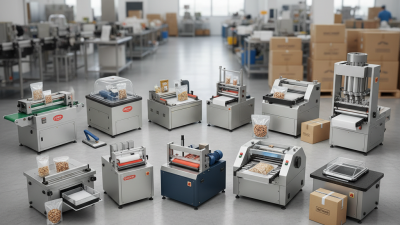
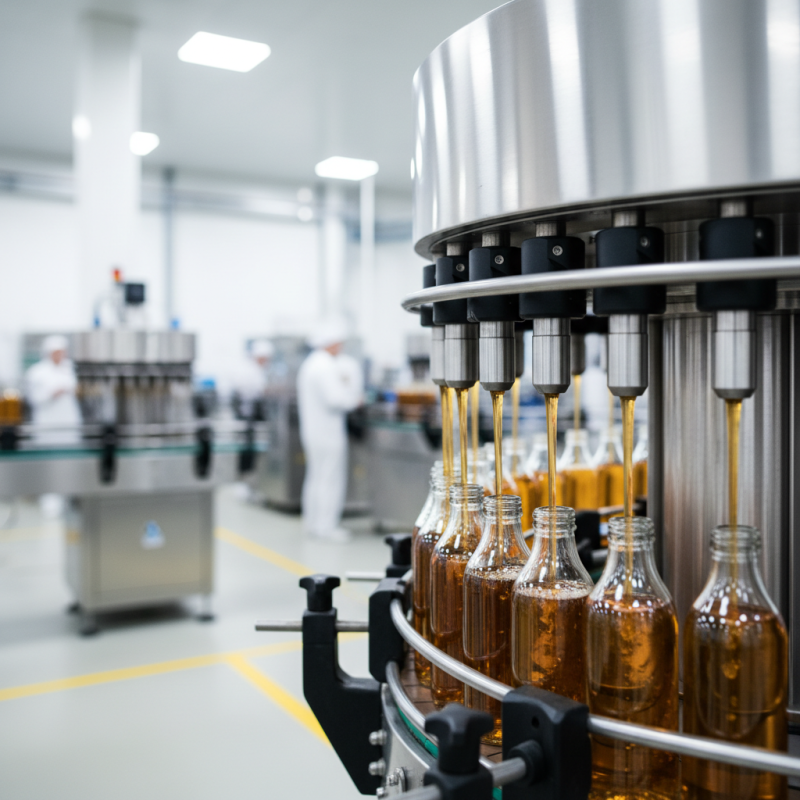
When selecting filling machines, it’s crucial to understand the types available. Different machines serve unique purposes depending on the products you handle. For liquids, consider volumetric or gravimetric machines. They measure the product accurately. For dry powders, auger fillers are essential. These machines ensure precise filling for various substances.
Tips: Evaluate your product’s characteristics. Is it viscous or free-flowing? This will guide your machine choice. Another consideration is production speed. High-volume operations may need faster machines. Slower options might suffice for small batches.
Random errors can happen. A machine may misfill occasionally. Keep this in mind. You might need to adjust settings or perform maintenance more often. Understanding these factors can help you avoid costly mistakes. Choose wisely to match your production needs and product quality.
Filling Machine Types and Their Market Share
Assessing Your Product Characteristics for Optimal Filling Solutions
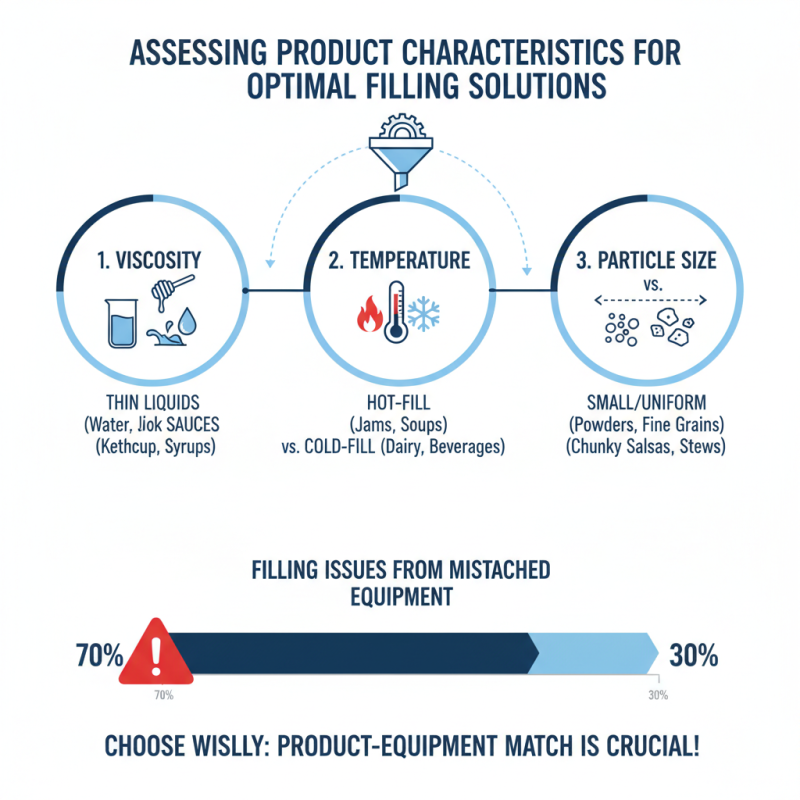
Choosing the right filling machines hinges on understanding your product characteristics. Viscosity, temperature, and particle size are critical. For instance, liquids vary. Water is easy to handle. However, a thick sauce poses challenges. Industry reports show that nearly 70% of filling issues arise from mismatched equipment.
Consider the shelf life of your products. Packaging affects longevity. For example, products that degrade quickly require specific filling solutions to minimize exposure to air. According to a recent market analysis, 45% of manufacturers overlook this factor, leading to increased waste. This challenges profitability.
Your budget is also significant, but not everything should revolve around cost. Investing in suitable machinery saves time and material costs long-term. Moreover, automation can boost efficiency. Yet, the transition requires training and adjustment. Many businesses find initial adaptation tough. Data indicates that around 30% of firms experience lag in productivity during this phase. Reflecting on these aspects leads to better selection and fewer operational disruptions.
Evaluating Production Volume and Speed Requirements for Your Business
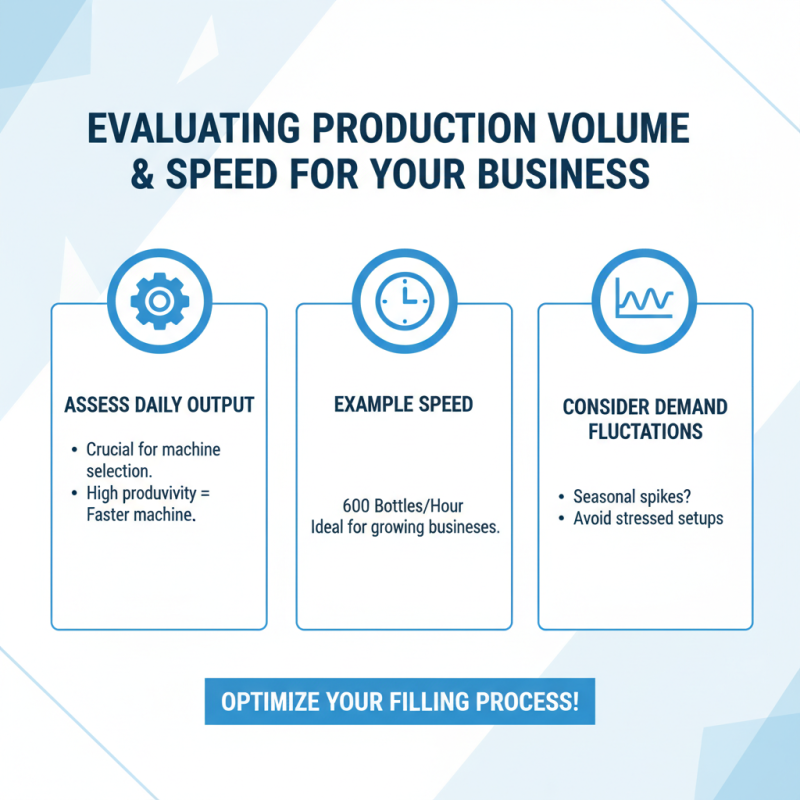
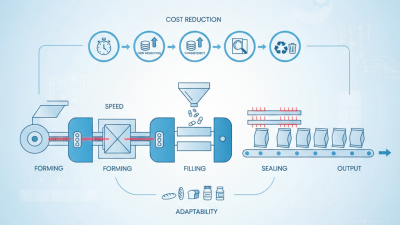
When selecting filling machines, understanding your production volume and speed needs is crucial. Assess your daily output. If your business demands high productivity, a faster machine may be essential. For instance, a machine that fills 600 bottles per hour suits growing companies. Consider fluctuations in demand too. Seasonal spikes could stress your current setup.
Speed, however, shouldn't be your only focus. Reliability is key. A speedy machine that jams frequently can disrupt workflow. It's frustrating when downtime occurs. Also, think about the filling accuracy. Inaccurate fills lead to waste and unhappy customers. Sometimes, slower machines might offer better precision. Evaluate the trade-offs carefully.
Moreover, involve your team in discussions. They can provide insights into everyday operations. Addressing their concerns can highlight issues you might overlook. Testing machines with smaller batches can also reveal potential shortcomings. Relying solely on specifications can be misleading. Real-world application often tells a different story.
Considering Budget Constraints and Cost-Effectiveness of Filling Machines
When selecting filling machines, budget constraints significantly impact your choice. Industry reports show that 30% of business owners prioritize cost-effectiveness. A machine that’s too expensive may hinder other operational needs. Conversely, overly cheap equipment can lead to high maintenance costs and frequent breakdowns. Striking a balance is crucial.
Tips: Assess your production volume. Small businesses may not need high-capacity machines. Research shows that correctly matched equipment can save up to 20% in operational costs. Quality matters too. Look for machines that offer durability within your budget. Sometimes, cheaper upfront options yield higher long-term expenses.
Some businesses overlook the total cost of ownership. This includes maintenance, repair, and operational efficiency. Investing slightly more in a reliable machine can decrease downtime. Additionally, check if the machine can be upgraded later. Flexibility in design can offer long-term savings. Always evaluate potential growth in your business. Buying a machine suited for today might not meet future needs. This reflection can guide better purchasing decisions.
Analyzing Maintenance and Support Options for Long-Term Reliability
When selecting filling machines, maintenance and support are crucial. Long-term reliability depends on both the machine's design and service options. According to a recent industry report, nearly 30% of production downtime results from machine failures. This statistic highlights the importance of regular maintenance.
Many businesses overlook the support aspect when choosing a machine. They often prioritize initial cost over long-term performance. It's essential to select equipment that offers comprehensive maintenance plans. A report from the Packaging Machinery Manufacturers Institute indicates that companies investing in preventive maintenance can reduce unexpected breakdowns by 40%. This not only ensures smooth operations but boosts overall productivity.
Choosing a machine with accessible support can be challenging. Some manufacturers may lack adequate resources. This can lead to longer wait times for repairs or parts. Businesses should assess their needs and request detailed service agreements from suppliers. Paying attention to these factors can significantly enhance the longevity of the equipment and the success of the production line.
How to Choose the Right Filling Machines for Your Business? - Analyzing Maintenance and Support Options for Long-Term Reliability
| Filling Machine Type |
Maintenance Frequency |
Average Downtime (Hours) |
Support Options |
Cost of Ownership (Annual) |
| Semi-Automatic Filling Machine |
Monthly |
2 |
Email Support, Phone Support |
$5,000 |
| Automatic Filling Machine |
Quarterly |
5 |
24/7 Support, On-Site Assistance |
$15,000 |
| Volumetric Filling Machine |
Bi-Annual |
3 |
Email Support, Training |
$10,000 |
| Gravity Filling Machine |
Monthly |
2 |
Phone Support |
$4,000 |
| Piston Filling Machine |
Annually |
6 |
In-Person Training, Email Support |
$12,000 |