How to Choose the Right Sachet Filling Machine for Your Business Needs?
Choosing the proper sachet filling machine is vital for business success. Industry expert, John Smith, emphasizes, "The right machine can elevate your product's appeal." Businesses face many options. Each machine offers different features and capacities. This decision impacts efficiency and cost-effectiveness.
When exploring sachet filling machines, consider your production scale. Will your needs grow? Are you focusing on high-speed filling? Details matter. For instance, a versatile machine saves time. However, it may require a larger investment. Will this fit your budget?
Another point to ponder is maintenance. Some machines require regular upkeep. This could influence long-term efficiency. Identify which features align with your goals. Balancing cost and quality is essential. Always reflect on your specific needs. The right choice can streamline operations and reduce waste.
Factors to Consider When Selecting a Sachet Filling Machine
When selecting a sachet filling machine, several critical factors come into play. First, consider the type of product you will be packaging. For instance, liquids require different machinery than powders. In a recent report by Research and Markets, the global sachet packaging market is projected to reach $23.5 billion by 2026. Choosing a machine tailored to your product's viscosity and flow characteristics can lead to improved efficiency.
Another vital consideration is the machine’s speed and capacity. Businesses must identify their production goals. According to industry benchmarks, filling speeds can vary from 30 to 100 sachets per minute. Higher speed machines come with increased costs but may not be necessary for lower volume operations. A business must balance the desire for efficiency with its actual production needs.
Additionally, flexibility is crucial. Many operators underestimate the importance of being able to switch product types. Machines designed for only one type of product may limit future growth. This feature aligns with market demands for smaller batches and diverse offerings. It’s essential to think about long-term growth when investing in filling technology, as changing business needs could render a static machine obsolete.
How to Choose the Right Sachet Filling Machine for Your Business Needs?
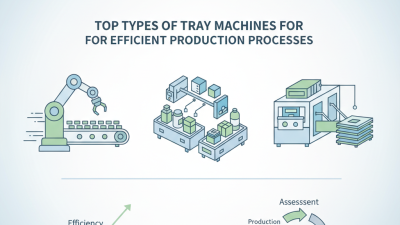
This chart illustrates key factors to consider when selecting a sachet filling machine, including speed, precision, cost, maintenance frequency, and footprint. These characteristics directly impact efficiency and operational costs for businesses.
Understanding Different Types of Sachet Filling Machines Available
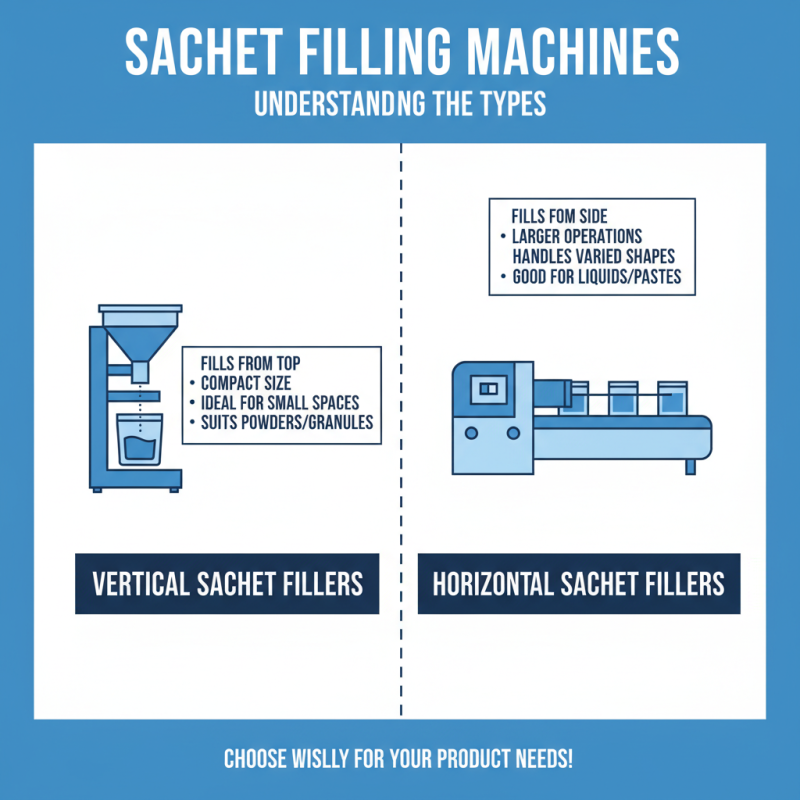
When choosing a sachet filling machine, understanding the available types is crucial. There are vertical and horizontal sachet fillers, each serving different needs. Vertical machines fill pouches from the top down. They are compact, ideal for small spaces. Horizontal machines, on the other hand, fill from the side. They are commonly used for larger operations and can handle a variety of product shapes.
Rotary sachet machines are another option to consider. These machines offer high-speed production. They can efficiently fill multiple sachets at once, increasing output. However, they might require a higher initial investment and more space. Each type has its pros and cons which need careful evaluation based on your production needs.
Furthermore, consider the material you will be working with. Some machines excel with liquid products, while others are better for powders or solids. It's essential to align the machine capabilities with your product characteristics. Not every machine will be a perfect fit. Reflecting on past machine choices might reveal insights into what works best in practice. This evaluation can safeguard against future missteps in investment.
Evaluating Production Capacity: Aligning Machine Specs with Business Needs
Evaluating production capacity is critical when choosing a sachet filling machine. You need to align the machine specifications with your business needs. Consider how much product you expect to fill and how often. High-speed machines can meet large demands, but they may not suit smaller operations. Knowing your business volume will guide you in selecting the right equipment.
Think about the types of products you will fill. Different sachet machines handle different materials and viscosities. For example, liquids require different mechanisms compared to powders. Ensure the machine can accommodate your specific product. Sometimes, businesses invest in a machine that is too complex, leading to underutilization.
Also, consider the future. Are you planning to expand production? It might be wise to invest in a machine that offers scalability. However, be cautious of overspending on features you may not need immediately. Balancing current requirements with future growth is essential. Reflect on how your needs might change and choose wisely.
How to Choose the Right Sachet Filling Machine for Your Business Needs? - Evaluating Production Capacity: Aligning Machine Specs with Business Needs
| Feature |
Description |
Business Needs |
Recommended Capacity |
| Filling Type |
Liquid, Powder, Granule |
Determine product type for correct machine |
Aligns with product consistency |
| Production Speed |
Bottles per minute |
Identify required output to meet demand |
100 - 500 bpm based on business scale |
| Power Consumption |
Energy efficiency rating |
Consider operational cost |
High efficiency for savings |
| Machine Dimensions |
Physical space requirements |
Fit within production area |
Compact models for small spaces |
| Maintenance Needs |
Frequency and cost of upkeep |
Tolerate downtime and upkeep costs |
Low maintenance requirements preferred |
| Warranty and Support |
Duration and support offered |
Importance of reliable service |
5 years warranty recommended |
Material Compatibility: Choosing Machines for Various Product Types
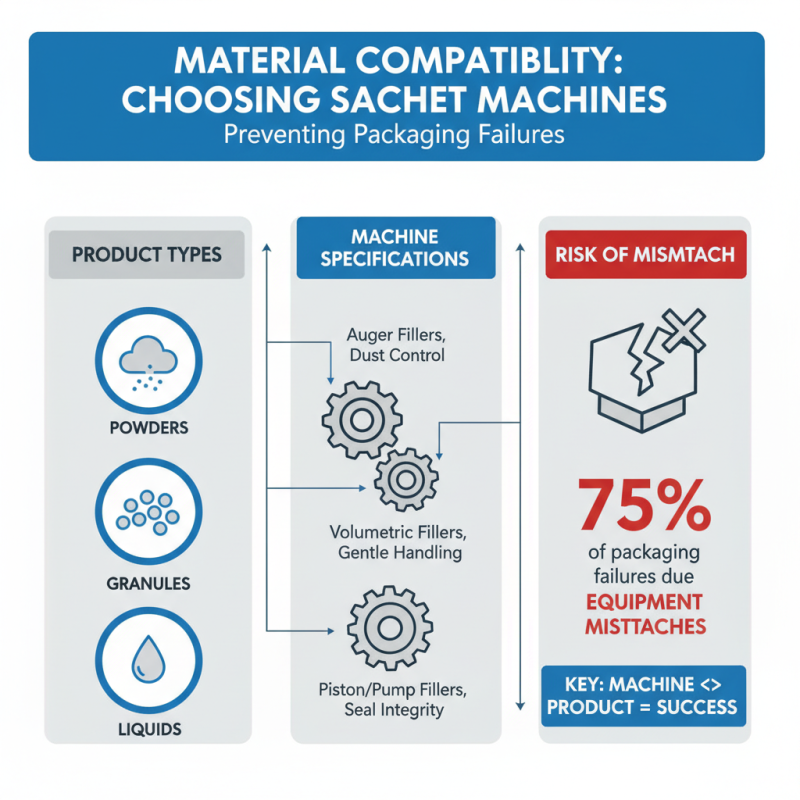
Choosing the right sachet filling machine involves careful consideration of material compatibility. Different products require different machine specifications. For example, powders, granules, and liquids each have unique filling needs. A recent industry report indicates that nearly 75% of packaging failures stem from equipment mismatches. Ensuring the machine fits the product type is vital.
Material compatibility goes beyond just size. For instance, some liquids can corrode certain materials. This can lead to contamination and affect product quality. Research also shows that over 30% of businesses report delays due to machinery not suited for their specific materials. Understanding the properties of your product is crucial for selecting a machine.
It's essential to review your product's viscosity, particle size, and whether it requires a heat-sealed or cold-sealed approach. Each factor influences filling speed and overall efficiency. Remember, a machine that excels in one area may underperform in another. Testing your chosen machine with trial runs can reveal unforeseen issues. Thus, making informed decisions is critical for maintaining production flow and ensuring product integrity.
Cost-Benefit Analysis: Investing in Efficiency and Quality for Your Business
Investing in a sachet filling machine can significantly impact your business’s efficiency and product quality. The right machine ensures precise filling, reducing waste. However, the upfront cost can be daunting for new businesses. A detailed cost-benefit analysis helps in making an informed decision. It involves evaluating not just the price but the potential return on investment.
Consider the operational efficiency that automated machines offer. They can speed up production times. Manual labor can introduce inconsistencies, impacting product quality. This inconsistency can lead to customer dissatisfaction. Additionally, think about the labor costs saved over time. Machines may have a higher initial expense, but they often pay for themselves through improved productivity.
Reflecting on the trade-offs is essential. Investing in a top-tier machine may mean reallocating funds from other areas. Are you ready for the potential disruption during installation? The transition phase can pose challenges. Yet, these challenges often lead to a more streamlined operation. Analyze your business needs carefully before making a choice. This methodical approach ensures that you create a sustainable operation that meets your quality and efficiency goals.