Why Choose a Form Fill Packaging Machine for Your Business?
In today's competitive market, businesses face the challenge of optimizing their packaging processes. The demand for efficient and reliable solutions has led many companies to consider a form fill packaging machine. This technology can significantly streamline production while reducing operational costs.
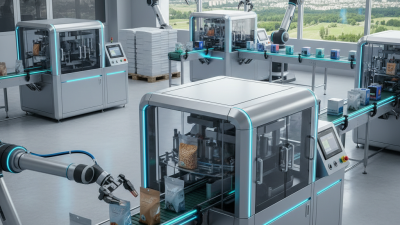
A form fill packaging machine automates the packaging process, providing consistent and precise results. This reliability is crucial for businesses striving to maintain quality while increasing output. Additionally, these machines can handle various materials, catering to different product needs.
However, relying solely on technology can have drawbacks. A form fill packaging machine requires proper setup and maintenance. Companies must also train staff to operate these machines effectively. Balancing automation with human oversight is essential. Evaluating costs versus benefits is necessary for informed decisions.
Benefits of Utilizing Form Fill Packaging Machines in Modern Industries
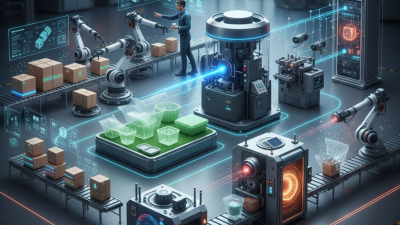
Form fill packaging machines are transforming modern industries in remarkable ways. These machines automate the process of packaging, giving businesses efficiency and speed. Manufacturers report significant time savings. They can package products in a fraction of the time it takes manually. This increases output and allows for quicker turnaround times in production.
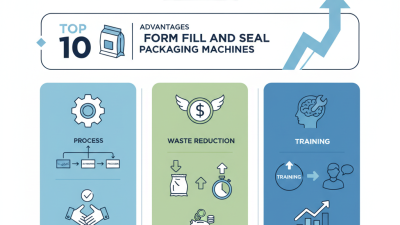
Precision is another advantage of using form fill machines. These machines can accurately measure and fill products, reducing waste. However, it’s essential to consider the learning curve involved. Staff must be trained to operate and maintain the machinery properly. Neglecting this can lead to errors, affecting product quality. Regular maintenance is crucial to keep the machines running efficiently.
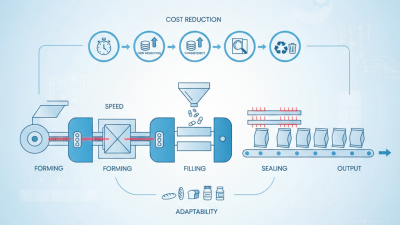
Moreover, flexibility in packaging options is notable. Different sizes and shapes can be accommodated easily. This adaptability supports various industries, from food to pharmaceuticals. But, businesses must evaluate whether the initial investment aligns with their production goals. While these machines can streamline processes, the upfront costs might be a hurdle. Companies need to weigh these factors carefully to ensure a sound decision.
Benefits of Utilizing Form Fill Packaging Machines in Modern Industries
Key Features of Form Fill Packaging Machines for Efficiency and Productivity
Form fill packaging machines have revolutionized the way businesses optimize their packaging processes. One key feature is their versatility. They can handle various products, from liquids to powders, effectively meeting diverse industry needs. According to a recent market report, over 60% of manufacturers prefer flexible packaging solutions. This choice enhances efficiency and minimizes waste, a critical factor in today’s competitive landscape.
Another essential aspect is automation. These machines significantly reduce manual labor, increasing overall productivity. In a study by the Packaging Machinery Manufacturers Institute, companies reported a 25% increase in package output after adopting automated systems. Furthermore, advanced technology, like integrated sensors, ensures precise filling. This accuracy not only enhances product quality but also reduces the risk of overfilling, which can lead to material waste.
Even with these advancements, businesses face challenges. The initial investment in form fill technology can be hefty, leading to hesitation among small and medium enterprises. Additionally, staff training is crucial for optimal machine use. Companies must ensure that their workforce is comfortable with the technology to maximize its benefits. Balancing investment with operational efficiency is a thought-provoking journey for many businesses in the industry.
Cost-Effectiveness of Form Fill Packaging vs. Traditional Packaging Methods
Form fill packaging machines offer remarkable cost-effectiveness when compared to traditional packaging methods. A recent industry report indicated that these machines can reduce packaging costs by as much as 30%. This is primarily due to their efficient utilization of materials. Unlike manual methods, form fill machines minimize waste through precise measurements. This accuracy not only lowers costs but also enhances sustainability.
Moreover, the speed of operation plays a critical role. Form fill machines can package products at rates exceeding 120 units per minute. In contrast, manual processes often lag behind at just 20 units per minute. The rapid pace increases productivity levels significantly. However, this shift to automation requires upfront investment, which may concern some businesses. It’s essential to assess long-term savings versus initial costs to gauge true value.
Efficiency brings reliability, too. Research shows companies using form fill technologies experience a 50% drop in packaging errors. This improvement ensures that products are delivered correctly to customers. Yet, transitioning may demand employee training and adaptation to new systems. Balancing these changes is vital to maintain operational flow. Embracing form fill packaging not only streamlines processes but also reinforces commitment to quality.
Why Choose a Form Fill Packaging Machine for Your Business? - Cost-Effectiveness of Form Fill Packaging vs. Traditional Packaging Methods
| Packaging Method |
Initial Investment ($) |
Cost per Unit ($) |
Labor Cost ($/hour) |
Efficiency (Units/hour) |
Waste Percentage (%) |
| Form Fill Packaging |
$25,000 |
$0.05 |
$15 |
120 |
2% |
| Traditional Packaging |
$40,000 |
$0.08 |
$20 |
80 |
5% |
Applications of Form Fill Packaging Machines Across Various Sectors
Form fill packaging machines are revolutionizing various sectors by enhancing efficiency and accuracy in packaging. Industries like food, pharmaceuticals, and cosmetics are increasingly adopting these machines. According to a report by ResearchAndMarkets, the global form fill seal market is expected to reach $10.6 billion by 2026, reflecting its growing importance.
In the food sector, these machines are used for packaging items like snacks, frozen foods, and liquids. Their ability to maintain hygiene and extend shelf life is crucial. Meanwhile, the pharmaceutical industry relies on precise dosing and tamper-proof seals. Reports from Packaging Strategies highlight that 75% of manufacturers are upgrading to automated systems for improved productivity.
Tips: When choosing a form fill packaging machine, consider the material compatibility. Ensure it aligns with your product specifications. Furthermore, regular maintenance is vital to prevent downtime.
The cosmetic industry takes advantage of these machines for versatile packaging designs. Unique formats and visuals can attract consumers. However, many companies still grapple with optimizing design for both function and aesthetics. Market research shows that 60% of brands struggle to balance innovation and cost-efficiency. Addressing this challenge is essential for staying competitive.
Factors to Consider When Selecting a Form Fill Packaging Machine for Your Needs
When selecting a form fill packaging machine, several critical factors must be considered. First, assess the type of product being packaged. Liquids, solids, and powders each require different filling mechanisms. According to a report by Smithers Pira, the global flexible packaging market is projected to reach $300 billion by 2025, highlighting the importance of choosing the right machine for your product type.
Speed and efficiency are also crucial. A faster machine can increase productivity. Reports show that businesses with high-speed packaging lines can achieve up to a 30% increase in output. However, rapid production may compromise the precision of filling and sealing. This balance between speed and accuracy is vital for maintaining product integrity and minimizing waste.
Another important consideration is the machine's versatility. Many companies report needing to adapt to different packaging formats as market demands shift. Selecting a machine that can accommodate multiple sizes and types of packaging can be a strategic advantage. However, it's essential to evaluate the potential learning curve and maintenance requirements, as these factors can impact operational efficiency.