How to Choose the Best Sachet Filling Machine for Your Needs?
Choosing the right sachet filling machine can be a daunting task. The market offers numerous options, each with distinct features and capacities. When selecting a machine, understanding your specific needs is essential. Consider the type of product you wish to package. Different machines serve various purposes, from powders to liquids.
In addition to product type, think about production speed. Some machines operate slowly but excel in precision. Others fill quickly but may sacrifice accuracy. This balance is crucial to ensure quality packaging. You must also examine the machine's maintenance needs. A complex machine might require frequent repairs, impacting your workflow.
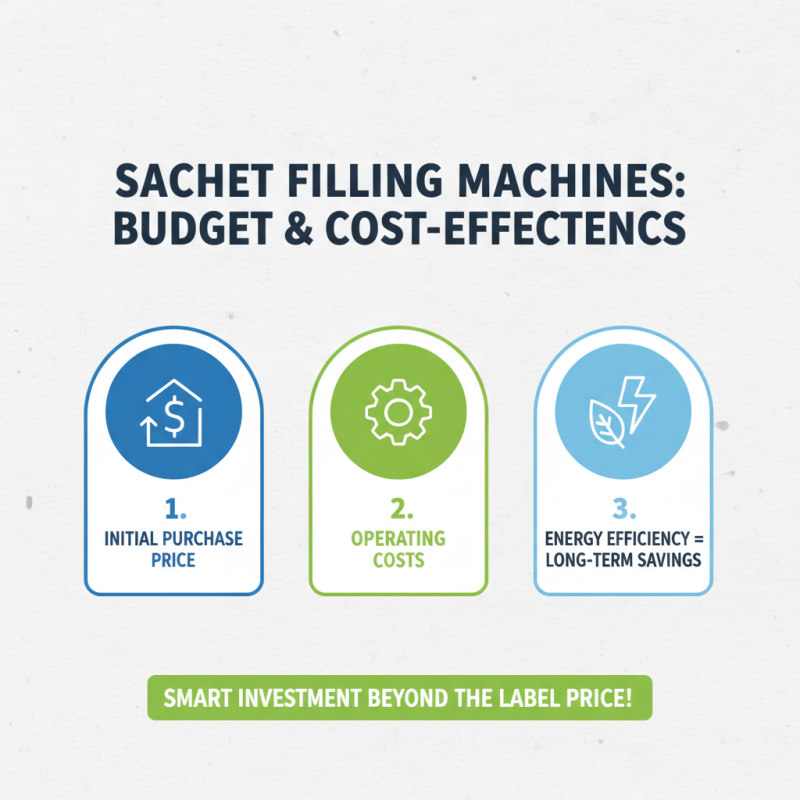
Finally, take the time to reflect on your budget. High-end machines offer advanced features but may not be necessary for all businesses. It's easy to overspend on a machine that doesn't meet actual needs. Researching options and reading reviews will guide you towards a suitable choice. Remember, the right sachet filling machine can enhance efficiency and product appeal.
Understanding Sachet Filling Machines and Their Importance
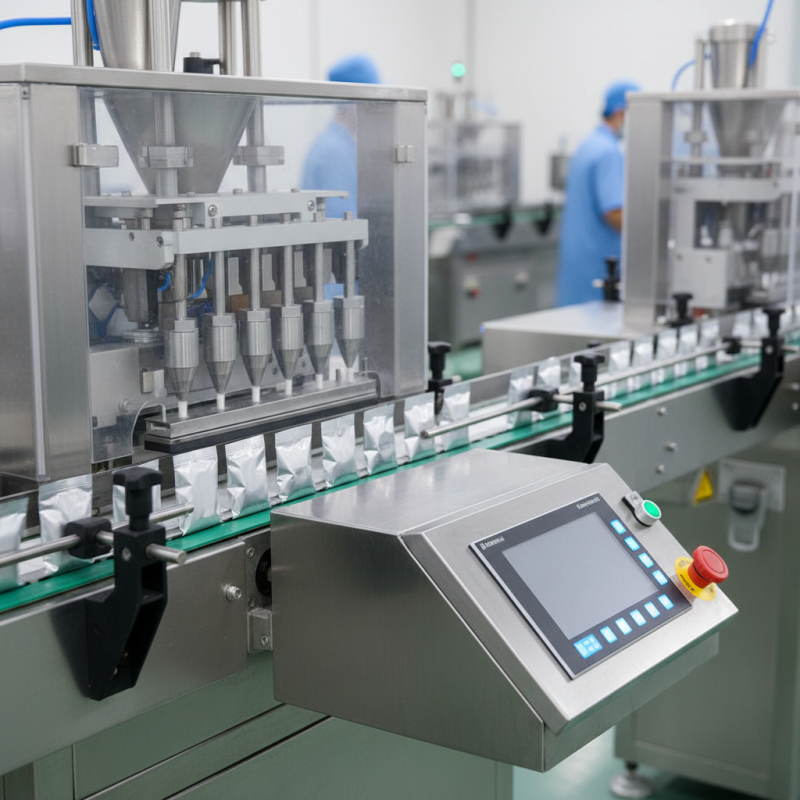
Sachet filling machines play a crucial role in packaging. They efficiently fill and seal sachets of various products. These machines are widely used in multiple industries, including food, pharmaceuticals, and cosmetics. The importance of choosing the right machine cannot be overstated. A poorly chosen filling machine can lead to wasted materials, increased costs, and lower production efficiency.
Understanding the types of sachet filling machines available is essential. Some machines work for liquids, while others handle powders or granules. Each type comes with specific features, such as speed and size versatility. The speed of the machine might seem impressive, but it can lead to mistakes if not monitored closely. This can affect product quality and customer satisfaction.
Customization is another factor to consider. Some businesses may need unique sizes or designs for their sachets. It's vital to reflect on these needs during the selection process. Only focusing on machine speed might overlook these important details. Without a deep understanding, businesses can invest resources in machines that don’t meet their unique requirements. Making the right choice requires careful thought and consideration.
Key Features to Consider When Selecting a Sachet Filling Machine
Selecting the right sachet filling machine can be challenging. Industry data indicates that efficiency and accuracy are crucial. A machine with a high filling speed can process up to 300 sachets per minute. However, speed should not compromise quality. Fine-tuning settings can help minimize errors, especially when filling varying volumes.
Consider the types of products you will be packing. Liquid, powder, or granule packaging requires different machine specifications. According to recent reports, around 70% of manufacturers find that flexibility is vital. Machines should be adaptable to multiple products. This versatility can reduce downtime when switching between different sachet types.
It's also worth reflecting on after-sales support. Machines that encounter frequent issues can lead to increased costs. A reliable service network can significantly reduce machinery downtime. Regular maintenance is necessary to ensure consistent performance. Owning advanced tech can be beneficial, but it requires skilled operators. The balance between technology and human oversight is essential in maximizing output efficiency.
Evaluating Production Capacity and Speed Requirements
When considering a sachet filling machine, evaluating production capacity and speed is crucial. A machine’s output impacts overall efficiency and costs. Various industry reports indicate that production rates can range from 30 to 300 packets per minute, depending on the machine type and specifications. For businesses with higher demand, choosing a machine that can operate at the upper end of this range is beneficial. However, remember that higher speeds may lead to more errors.
Analyzing your specific needs is essential. Are you a small operation or a large-scale manufacturer? A smaller business might not require speeds exceeding 100 packets per minute. However, larger operations often benefit from machines capable of filling 200 packets or more. There is a discussion around quality control versus speed. Faster machines might sacrifice precision, leading to product waste. Reports highlight that around 2-5% of products can be rejected due to improper filling.
Consider the volume of your products as well. A machine with lower production capacity might suffice if you have limited products. Yet, if your product line expands, re-evaluating your choice will become necessary. Scaling up could involve purchasing a new machine or upgrading your current one, which can be costly. Reflecting on your current needs versus future demands is vital in choosing the right sachet filling machine.
How to Choose the Best Sachet Filling Machine for Your Needs?
| Machine Type |
Production Capacity (units/hour) |
Filling Volume Range (ml) |
Speed (cycles/min) |
Automatic/Manual |
| Vertical Sachet Machine |
2000 |
5 - 50 |
40 |
Automatic |
| Horizontal Sachet Machine |
1500 |
10 - 100 |
30 |
Automatic |
| Standalone Sachet Filler |
800 |
20 - 200 |
25 |
Manual |
| Mini Sachet Machine |
600 |
2 - 10 |
20 |
Automatic |
| High-Speed Sachet Filler |
3000 |
5 - 50 |
60 |
Automatic |
Maintenance and Support Considerations for Long-term Use
When selecting a sachet filling machine, maintenance is a critical aspect. Regular upkeep ensures the machine operates smoothly and lasts longer. Industry reports indicate that up to 30% of machinery downtime is due to maintenance issues. A well-maintained machine reduces the risk of breakdowns and enhances overall efficiency.
Support services are equally crucial. Manufacturers often provide training and resources to assist operators. According to a recent survey, companies that prioritize training see a 25% increase in productivity. Nevertheless, inadequate support can lead to operational hiccups. It's vital to choose a supplier that offers ongoing assistance, including troubleshooting and replenishing parts.
Many users overlook the importance of keeping a maintenance log. This can help identify recurring issues and address them early. Neglecting small fixes can result in larger problems over time. Regularly scheduled maintenance, rather than waiting for failures, is essential for optimal performance. Operators must remain proactive and attentive to the machinery's needs.