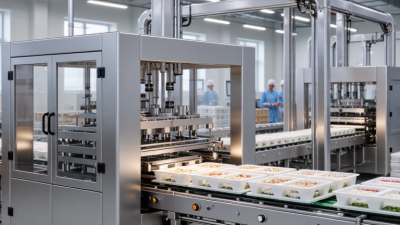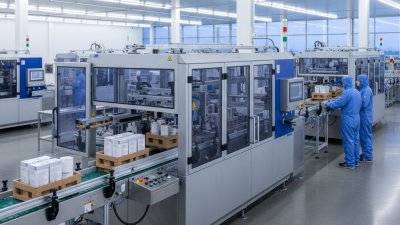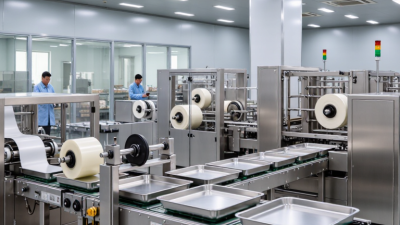
Choosing the best tray packaging machine from China starts with material testing, not catalog browsing. Rigid PP, PET, CPET, aluminum, and paperboard react differently to heat and sealing pressure. A machine for PP trays may damage paper coatings or create weak seals on recycled PET. Smithers forecasts global packaging demand will exceed 1.2 trillion dollars by 2028. That growth increases demand for efficient and recyclable systems. It does not make every automated line suitable.
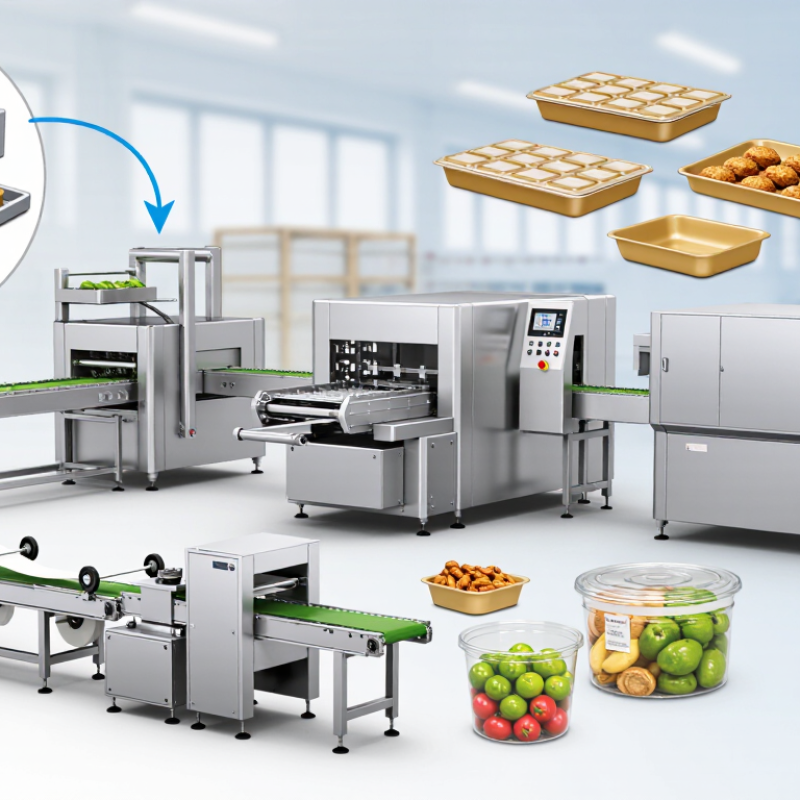
For fresh food, modified-atmosphere tray sealers need stable film tension, gas flushing, and leak detection. For ready meals, CPET trays tolerate higher reheating temperatures, so temperature control becomes critical. Paperboard trays often require coated surfaces and narrower process windows. Vacuum skin packaging needs different tooling and film handling. PMMI’s 2024 industry analysis identifies labor shortages and automation as major machinery investment drivers. Yet automation without disciplined changeovers can create costly downtime. I have seen output estimates fail when operators ignored tray warpage.
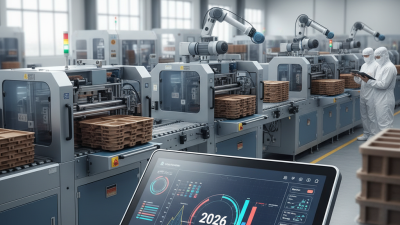
Production volume should determine machine architecture. Under 20 trays per minute, a compact semi-automatic unit may reduce capital risk. Around 40 to 80 trays per minute, inline automation usually improves labor efficiency. High-volume plants need servo indexing, automatic denesting, vision checks, and remote diagnostics. Grand View Research valued the global food packaging market at about 562 billion dollars in 2023. Test the seal. Ask Chinese suppliers for sealed-sample trials, output records, utility consumption, and spare-parts lead times. Numbers on a quotation are not proof. Expect compromises.