Experience & Vision

7 Best HFFS Machines for Global Buyers in 2026

Choosing the right hffs machine in 2026 requires more than comparing speed, price, and attractive product photos. Global buyers must examine packaging accuracy, sealing stability, film compatibility, and service support. A machine that performs well in a factory trial may behave differently under humidity, dust, or frequent product changes.

This guide reviews seven leading HFFS machines for international purchasing decisions. Each option is considered through practical criteria, including filling consistency, changeover time, control-system usability, cleaning access, and available technical assistance. Operators notice these details every day. A few minutes saved during format changes can improve production flow, while poor access to sealing parts can create frustrating delays.

The assessment also considers documentation, factory testing, spare-parts planning, and supplier credibility. These areas often receive less attention than maximum output. They should not. A reliable supplier should explain performance limits clearly and provide traceable specifications, training, and maintenance guidance. Buyers should also request product trials using their own film and materials whenever possible.

No ranking fits every operation. That is worth admitting. A compact machine may suit a growing producer, while a high-speed system may better serve established facilities. Some published specifications can appear impressive but require ideal conditions. The final decision should balance verified performance, total ownership cost, workplace safety, and long-term support. With these factors in view, the following seven machines offer a practical starting point for serious global buyers.
7 Best HFFS Machines for Global Buyers in 2026

What HFFS Machines Are and Why They Matter in 2026

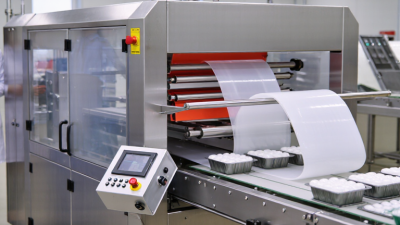
HFFS machines are automated systems that form, fill, and seal flexible packages horizontally. A film roll enters the machine, becomes a pouch, receives a measured product, and closes through heat sealing. The process can handle snacks, powders, frozen foods, and household goods. Operators can adjust forming collars, sealing temperatures, and filling speeds for different formats. Small details matter. A weak seal can ruin an entire production run.

Their importance is growing with flexible packaging demand. Smithers’ The Future of Global Packaging to 2028 forecasts the global packaging market will approach 1.2 trillion US dollars by 2028. Flexible materials remain important because they reduce package weight and support efficient transport. HFFS equipment can also improve output consistency and reduce manual handling. PMMI’s 2024 State of the Industry report highlights labor shortages and automation investment as continuing packaging-sector pressures. That makes repeatable machine performance increasingly valuable.

Global buyers should assess more than advertised speed. Film compatibility, changeover time, seal inspection, cleaning access, and local technical support often determine real productivity. A machine rated for 120 packs per minute may run slower with dusty products or complex films. That is where specifications can mislead. Energy use and material waste deserve equal attention, especially as packaging regulations and customer expectations evolve. MarketsandMarkets’ research on horizontal form-fill-seal equipment also identifies automation and demand for convenient packaged products as major growth drivers. The technology is powerful, but not automatically efficient. Proper trials still matter.

Key Criteria for Evaluating HFFS Machines Worldwide

Choosing an HFFS machine in 2026 requires more than comparing advertised speed.

Global buyers should examine seal consistency, film compatibility, changeover time, and operator access. A practical factory trial often reveals weaknesses hidden by brochures. Speed can mislead. Measure the seal.

PMMI’s 2024 U.S. Packaging Machinery Shipments Report valued shipments at approximately $10.6 billion in 2023, reflecting continued investment in automated packaging. However, investment alone does not guarantee dependable output.

Buyers should request measured OEE results, not only maximum cycles per minute. Check performance with the intended film, pouch size, filling weight, and temperature range.

Smithers’ flexible packaging forecasts also highlight recyclability and downgauging as major market pressures. Therefore, the machine should control sealing temperatures precisely and handle evolving film structures.

Service capability deserves equal attention. Ask for spare-parts availability, remote diagnostics, training hours, and response-time commitments in the destination country.

Electrical standards, guarding, documentation, and conformity requirements must match the installation site. Energy monitoring is useful, but the figures need independent verification.

A lower purchase price can become expensive after repeated stoppages. This is where buyers often underestimate risk.

The best evaluation may include a paid acceptance test using several production shifts, rather than a short demonstration. Reports provide direction, but real samples expose the uncomfortable details.

Seven Leading HFFS Machines for Global Buyers in 2026

Seven Leading HFFS Machines for Global Buyers in 2026

Global buyers are assessing seven leading HFFS configurations for different packaging duties. Pillow-bag machines suit snacks, grains, and frozen products. Gusseted machines create deeper bags for bulky goods. Quad-seal systems improve shelf presentation and stacking. Stand-up pouch machines support resealable formats and stronger branding areas. Flat-bottom machines offer stable retail display. Multi-lane sachet machines increase output for powders and small portions. Vacuum or modified-atmosphere machines protect products needing longer freshness.

The market rewards flexibility. Grand View Research valued the global flexible packaging market at approximately USD 274.7 billion in 2023, with projected growth near 4.8% annually through 2030. Smithers also identifies recyclable structures, downgauging, and production efficiency as major development priorities. These trends make servo-driven HFFS equipment more attractive, especially when it supports quick film changes, recipe storage, and controlled sealing temperatures.

Performance depends on details. Experienced commissioning teams check seal strength, registration accuracy, film tension, and real changeover time. A machine claiming 120 packs per minute may run slower with recycled or thinner films. That gap matters. Buyers should compare verified OEE data, compressed-air demand, cleaning access, and local service coverage. Energy figures can also be misleading when suppliers measure different production conditions. Test the actual film and product before approving the purchase.

Comparing Speed, Formats, Automation, and Total Cost

The seven strongest HFFS machine choices differ mainly by speed, package format, and automation depth. High-speed pillow machines can exceed 200 packs per minute, while gusseted, quad-seal, vacuum, modified-atmosphere, sachet, and recyclable-film systems often trade speed for flexibility. A 2024 PMMI State of the Industry report recorded 2.1% growth in U.S. packaging machinery shipments during 2023. That demand reflects labor pressure, shorter product runs, and tighter changeover expectations.

Speed claims need context. Film type, product shape, seal temperature, and reject settings can reduce real output by 10–25%. Ask for sustained production data, not a five-minute demonstration. Servo motion, automatic film tracking, recipe storage, vision inspection, and remote diagnostics can reduce operator workload. However, advanced automation increases training and integration costs. Sometimes, a simpler machine performs better in a small facility.

Total cost includes tooling, spare parts, energy, film waste, maintenance, and downtime. Smithers’ The Future of Flexible Packaging to 2029 forecasts continued growth in flexible packaging, supported by lightweight formats and convenience demand. That trend favors machines accepting recyclable and thinner films, but seal stability remains difficult. I would challenge any payback model using only labor savings. Include actual changeover minutes, rejected packs, and seasonal utilization. The cheapest machine may quietly become the most expensive after three years.

How to Choose the Right HFFS Machine for Your Market

Choosing among the seven best HFFS machines for 2026 requires more than comparing speed and price. Market fit matters more.

Start with your product, film structure, and target bag format. A machine for snack pouches may not suit frozen foods or powdered products. Check sealing temperature, jaw pressure, film width, and allowable registration error. These details affect waste, shelf appearance, and daily output.

Speed is not everything. In commissioning work, I have seen fast machines lose value through frequent film changes and difficult cleaning. Ask suppliers for test runs using your actual film and product. Measure seal strength, changeover time, reject rates, and operator workload. Test the film.

Your market also determines practical requirements. A humid factory may need stronger corrosion protection and controlled air systems. A site with unstable electricity may require voltage protection and easier restart procedures. Confirm local technical support, spare-part availability, training, and remote diagnostics before signing an order. Service matters.

Review total ownership cost over five years, not only the purchase quotation. Include tooling, energy, compressed air, maintenance, film waste, and planned downtime. Automation can reduce labor, but complex controls may create training gaps. That risk is easy to underestimate. A simple, well-supported machine can outperform a faster model when operators need reliable daily production. Ask for documented performance data, not vague capacity claims. Your final choice should reflect real factory conditions, including the problems that sales demonstrations usually hide.

7 Best HFFS Machines for Global Buyers in 2026 - How to Choose the Right HFFS Machine for Your Market

Comparative guide based on common HFFS machine configurations, packaging applications, operating ranges, and market requirements.

Rank Recommended HFFS Configuration Best Application Typical Output Bag Formats Common Film Types Typical Bag Size Main Advantages Key Buying Considerations
1 Servo-Controlled Doypack HFFS Machine Coffee, snacks, pet food, sauces, personal-care products, and stand-up retail pouches Up to approximately 80–120 bags/min, depending on pouch size, filling system, and options Three-side seal, stand-up pouch, zipper pouch, and spout pouch PET/PE, PET/CPP, OPP/CPP, laminated foil, recyclable PE-based structures Width: about 80–300 mm
Height: about 100–400 mm
Premium shelf appearance, flexible pouch design, accurate servo positioning, and broad product compatibility Confirm zipper, spout, nitrogen flushing, dust control, and recyclable-film compatibility before purchase
2 High-Speed Pillow-Bag HFFS Machine Biscuits, bakery products, confectionery, frozen foods, hardware, and single-portion products Approximately 100–250 bags/min for suitable products and film structures Three-side seal, center-seal pillow bag, twin-pack, and easy-open formats OPP/CPP, PET/PE, paper-based laminates, and heat-sealable mono-material films Width: about 50–350 mm
Length: about 60–500 mm
High production speed, relatively low packaging cost, and simple integration with multihead weighers or volumetric fillers Check product alignment, sealing-jaw design, film tracking, date-code space, and required changeover frequency
3 Quad-Seal HFFS Machine Coffee, granular foods, pet food, detergents, and products requiring a stable block-bottom bag Approximately 35–90 bags/min, depending on bag dimensions and filling method Quad-seal bag, block-bottom bag, flat-bottom-style bag, and optional zipper bag PET/PE, PET/PE-PE, PET/CPP, paper laminates, and foil laminates Width: about 80–300 mm
Length: about 120–450 mm
Excellent shelf stability, strong visual presentation, large printable panels, and good volume utilization Requires more forming stages and setup expertise; verify bottom-fold accuracy and sealing performance with the selected film
4 Stick-Pack and Sachet HFFS Machine Sugar, instant coffee, spices, pharmaceuticals, nutraceuticals, sauces, and personal-care samples Approximately 200–1,200 lanes or sachets/min, depending on the number of lanes and product type Stick pack, three-side-seal sachet, four-side-seal sachet, and tear-notch pouch PET/PE, paper/PE, PET/foil/PE, and pharmaceutical-grade laminate structures Width: about 15–60 mm
Length: about 50–200 mm
Very high output per machine footprint, precise dosing potential, and convenient single-use packaging Evaluate powder dust management, lane balancing, filling accuracy, cleaning access, and local pharmaceutical requirements
5 Liquid and Paste HFFS Pouch Machine Ketchup, mayonnaise, sauces, detergents, shampoo, creams, and other pumpable products Approximately 30–100 bags/min, depending on viscosity, dosing volume, and pouch design Three-side seal, four-side seal, stand-up pouch, spouted pouch, and shaped pouch PE/PE, PET/PE, PET/CPP, foil laminates, and liquid-compatible recyclable structures Fill volume: about 10–2,000 ml
Bag width: about 60–300 mm
Controlled liquid dosing, clean sealing when correctly configured, and efficient use of flexible packaging material Prioritize hygienic design, anti-drip filling, CIP considerations, viscosity range, seal contamination control, and product-contact materials
6 Modified-Atmosphere and Vacuum HFFS Machine Fresh foods, ready meals, meat, seafood, cheese, produce, and products sensitive to oxygen Approximately 20–80 packs/min, depending on gas cycle, vacuum level, and pack dimensions Vacuum pouch, gas-flushed pouch, three-side seal, four-side seal, and recloseable pouch High-barrier PET/PE, PET/nylon/PE, PET/foil/PE, and certified barrier mono-material films Width: about 100–400 mm
Length: about 150–600 mm
Can help extend product shelf life and reduce oxygen exposure when validated with the product and film system Gas mixing accuracy, residual oxygen targets, hygienic construction, refrigeration workflow, and food-safety validation are essential
7 Compact Entry-Level HFFS Machine Small businesses, contract packers, test launches, regional products, and low-to-medium production volumes Approximately 20–70 bags/min, depending on product handling and operator loading Pillow bag, three-side-seal pouch, sachet, and selected stand-up pouch formats OPP/CPP, PET/PE, PE/PE, paper laminates, and other heat-sealable films Width: about 50–250 mm
Length: about 60–350 mm
Lower initial investment, smaller footprint, straightforward operation, and suitable for product-market testing Check upgrade paths, spare-parts availability, electrical compatibility, operator training, and after-sales support in the target country
How to Choose the Right HFFS Machine for Your Market: Match the machine to the product’s physical characteristics, required package format, target output, film structure, local electrical standard, hygiene regulations, available floor space, labor skill level, and after-sales service requirements. Actual performance should be confirmed through a product trial using the intended film and filling system.
Go to Top