2026 Best Pouch Packaging Machine Types for Global Buyers
Choosing a pouch packaging machine in 2026 requires more than comparing speed, price, and stainless-steel finishes. Global buyers must match the machine with product texture, pouch material, filling accuracy, factory space, and local service support. A liquid detergent line needs different controls from a powder spice line. Small details matter, such as seal temperature, film tracking, dust extraction, and changeover time.
Jorge Izquierdo, Vice President of Market Development at PMMI, has said, “Automation is an enabler, not a replacement for human workers.” This principle remains practical for pouch packaging. The right equipment can reduce repetitive labor while keeping operators responsible for inspection, cleaning, and quality decisions. VFFS machines suit many roll-film applications. HFFS systems can deliver attractive pillow, three-side-seal, and special-shaped pouches. Premade pouch machines often support premium formats and faster product changes.
The choice is not always obvious. A faster machine may waste more film during setup. A cheaper model may create costly downtime later. Buyers should examine real samples, not only catalog photographs. Ask for seal tests, filling trials, energy data, spare-parts lists, and operator training details. These checks reveal weaknesses early.
This guide reviews the best pouch packaging machine types for global buyers in 2026. It considers output, flexibility, maintenance, integration, and total ownership cost. No machine is perfect. The best decision depends on the product, pouch format, production target, and support network.
Pouch Packaging Machines: Definition, Purpose, and Core Functions
2026 Best Pouch Packaging Machine Types for Global Buyers
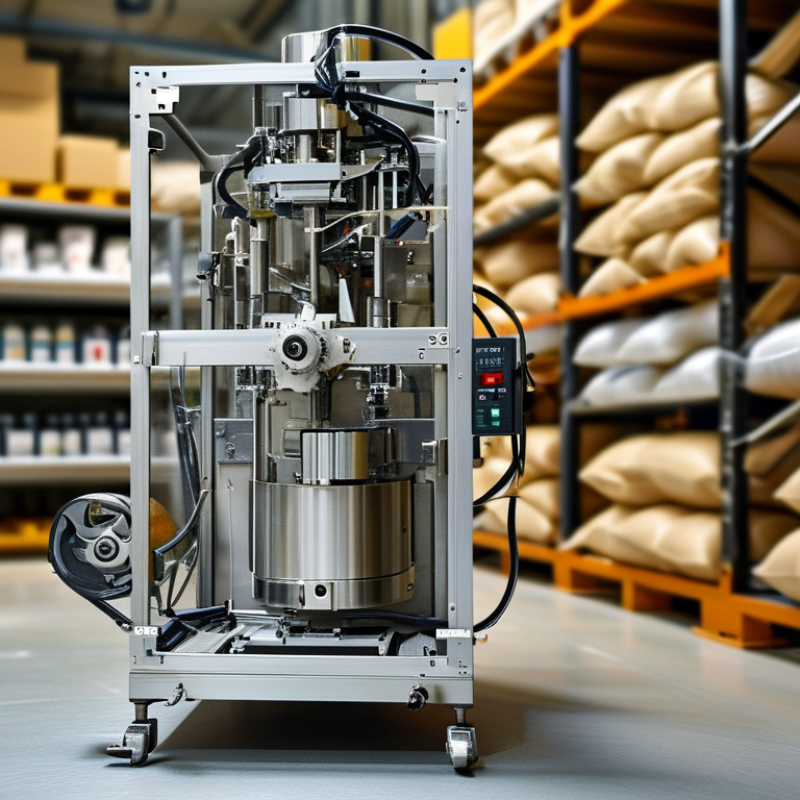
Pouch packaging machines automate the forming, filling, and sealing of flexible bags. They handle products such as powders, granules, liquids, and small solid items. In practical production, the machine can turn a flat film roll into a measured, sealed pouch within seconds. Its purpose is simple: improve filling accuracy, reduce manual handling, and create consistent packages for storage and transport.
Core functions include film feeding, pouch forming, product dosing, heat sealing, cutting, and date coding. Auger fillers suit powders, while volumetric cups measure many granular products. Pump systems support liquids, but their valves must match product thickness. Sensors track film position and detect sealing errors. A programmable control system adjusts speed, temperature, and filling volume. Some machines also support zipper pouches, spouted bags, or modified-atmosphere packaging.
Global buyers should assess product characteristics before choosing a machine type. Dusty powder may require stronger extraction, while sticky liquid can challenge cleaning and dosing accuracy. Film structure also affects sealing temperature and running stability. In my experience, sample testing reveals problems that brochures often hide. No machine is universally ideal. That assumption often fails. Buyers should request trial runs, inspect seal strength, and verify food-contact materials and local packaging requirements. A lower purchase price may become expensive when changeovers are slow or spare parts are difficult to obtain.
Main Types of Pouch Packaging Machines for Different Product Formats
2026 Best Pouch Packaging Machine Types for Global Buyers
Product format should guide pouch machine selection. Grand View Research values the global flexible packaging market at USD 261.4 billion in 2022. It also forecasts a 4.3% CAGR from 2023 to 2030. That growth reflects demand for lightweight, convenient packs, but not every pouch line suits every product.
Vertical form-fill-seal machines work well with powders, grains, snacks, and other free-flowing products. They create pillow, gusseted, or quad-seal pouches from roll film.
Horizontal form-fill-seal machines handle liquids, pastes, fragile items, and shaped packs more gently.
Premade pouch machines offer strong visual consistency. They suit stand-up pouches, zipper packs, and shorter production runs.
Stick pack and sachet systems remain practical for single-use powders, sauces, and liquid portions.
Product behavior matters more than brochure speed.
Fine powder may enter the seal area. Viscous liquid can stretch the film during filling. Vacuum or gas-flush systems may protect oxygen-sensitive foods, yet they require careful leak testing. PMMI’s 2024 State of the Industry report highlights automation, labor pressure, and flexible packaging as major equipment considerations. A faster machine can still produce more waste. That is the uncomfortable part. Buyers should test the actual product, film, filling weight, and sealing temperature before approval. Humidity can change results unexpectedly. Small trials often reveal expensive weaknesses.
Key Machine Components and How the Packaging Process Works
2026 Best Pouch Packaging Machine Types for Global Buyers
Key Machine Components and How the Packaging Process Works
Pouch machines generally use premade bags or form pouches from a continuous film roll. Smithers valued the global flexible packaging market at approximately US$291 billion in 2023. Its forecast also points toward continued growth through 2028, driven by convenience formats and lightweight materials. The equipment choice depends on pouch shape, filling accuracy, speed, and material structure.
A typical form-fill-seal machine begins with an unwinder and tension controller. The film then passes through registration sensors and a forming collar. Servo motors control film movement with measured precision. A volumetric cup, auger, or piston filler releases the product. Heat controllers manage the sealing jaws. Too much heat can damage the film. Too little heat can create weak seals.
The completed pouch usually passes through coding, seal inspection, and discharge units. Zipper applicators and spout stations add extra functions, but they also increase setup demands. According to PMMI packaging machinery research, automation remains a major investment priority as manufacturers face labor shortages and tighter quality expectations. Mordor Intelligence projects the pouch packaging market to grow at roughly 5% annually during the forecast period. These figures are useful, not perfect. Local film behavior, humidity, and operator training can still change real output. A machine rated for 120 pouches per minute may deliver less after frequent size changes.
Selection Criteria for Global Buyers: Capacity, Materials, and Automation
Choosing a pouch packaging machine in 2026 starts with production needs, not brochure claims. Global buyers can compare vertical form-fill-seal, premade pouch, and rotary systems by capacity, pouch size, changeover time, and uptime. A machine rated for 120 bags per minute may run slower with heavy powder or fragile products. Test actual materials. Capacity must match filling accuracy, labor, and floor space. Too much speed can create waste.
Material selection is equally practical. Film thickness, sealant layers, barrier needs, and pouch structure affect forming and sealing. Laminated films may protect moisture-sensitive goods, while recyclable structures can require tighter temperature control. Request trials using the exact film and product. Check seal strength after transport simulation. Small wrinkles matter. They can become leaks. Also verify spare-part availability and operator training in the destination country.
Automation should reduce repetitive work without hiding maintenance risks. Servo dosing, film tracking, vision inspection, and remote diagnostics can improve consistency. However, every module needs calibration, software support, and trained staff. Choose controls with clear language options and readable fault messages. Verify electrical standards, guarding, and documents before shipment. Production trials often reveal problems that sales discussions miss, such as poorly positioned sensors. That lesson is easy to ignore. No selection is perfect. Review test data, not promises, and leave room for future pouch formats.
2026 Best Pouch Packaging Machine Types for Global Buyers
Selection criteria for global buyers: capacity, materials, and automation
| Machine Type |
Common Materials |
Typical Automation |
Best Fit |
| Premade Pouch Rotary Machine |
Laminated films, aluminum foil laminates, recyclable mono-material films |
Fully automatic |
Multiple pouch shapes and frequent product changeovers |
| Vertical Form-Fill-Seal Machine |
PE, PP, laminated rollstock, paper-based laminates |
Semi-automatic to fully automatic |
Powders, granules, snacks, and high-volume standard bags |
| Horizontal Form-Fill-Seal Machine |
Heat-sealable laminates, PE/PP films, high-barrier structures |
Fully automatic |
Flat pouches, sachets, and products requiring precise placement |
| Multi-Lane Stick Pack or Sachet Machine |
Laminated film, foil laminate, recyclable high-barrier film |
Fully automatic |
Very high-volume single-serve products |
The chart shows representative operating ranges commonly used for preliminary equipment selection. Actual output depends on pouch size, filling accuracy, product characteristics, film structure, sealing temperature, and the number of lanes. Buyers should confirm material compatibility and automation requirements through production trials before purchasing.
International Standards, Maintenance Needs, and Total Ownership Costs
2026 Best Pouch Packaging Machine Types for Global Buyers
International Standards, Maintenance Needs, and Total Ownership Costs
For global buyers, machine selection starts with compliance, not catalogue speed. Check guarding, emergency stops, electrical documentation, and risk assessment against standards such as ISO 12100 and IEC 60204-1. Food-contact surfaces also require suitable materials and traceable declarations for the destination market. Requirements differ between regions. Ask for test records, manuals, wiring diagrams, and language-ready safety labels before purchase.
Maintenance affects output more than many quotations reveal. Heat-seal jaws need regular cleaning and temperature verification, especially after dusty film runs. Inspect pneumatic filters, belts, sensors, and vacuum components on a fixed schedule. Keep sealing elements and critical sensors in local stock when shipping delays are common. Operator training should include film threading, recipe control, fault recovery, and safe isolation. Small errors can create large waste. In practice, maintenance intervals often need adjustment after the first three months.
Total ownership cost includes purchase price, installation, utilities, film loss, labor, spare parts, calibration, software support, and unplanned downtime. Compare pouch types by usable output, not advertised cycles per minute. A faster machine may consume more air or reject poorly formed pouches. Request a sample-run report using your actual film and product. Estimates remain imperfect without production data. Review them after one quarter, when electricity use and stoppage patterns become visible.